

Stormwater management has traditionally been built around a simple question: What products are required to meet the specification?
Today, that question is evolving.
As construction projects become more complex, weather patterns become less predictable, and regulatory expectations continue to grow, engineers are increasingly shifting toward performance-based stormwater design. Instead of beginning with individual BMPs, they are defining the outcomes a stormwater system must achieve and selecting solutions that work together to meet those objectives.
This approach moves the conversation beyond simply checking regulatory boxes. It focuses on how well a stormwater system performs throughout the life of a project, including during routine rainfall, extreme weather events, and everything in between.
Register for a Virtual Lunch & Learn Session
Deepen your understanding of green infrastructure and explore the latest trends and innovations in the field. During this session industry experts will share valuable insights, practical tips, and real-world case studies.
Earn 1 PDH Credit.
What Is Performance-Based Stormwater Design?
Traditional stormwater specifications often prescribe specific BMPs such as silt fence, erosion control blankets, sediment basins, or inlet protection devices.
Performance-based design starts with the desired result.
Rather than asking, “Which product should we use?” engineers first ask:
- How much runoff should be controlled?
- How much sediment or pollution must be removed?
- How will the system perform during multiple storm events?
- How long should the system remain effective?
- How can maintenance requirements be minimized?
Once these objectives are established, engineers can select the combination of practices that best delivers the desired performance. The result is a stormwater strategy that prioritizes measurable outcomes rather than individual products.
Looking Beyond Minimum Compliance
Meeting permit requirements will always be essential. However, many owners, agencies, and engineers recognize that compliance alone doesn’t always guarantee long-term success.
A stormwater control may satisfy a specification during installation but require extensive maintenance, struggle during larger storm events, or lose effectiveness as site conditions change.
In contrast, performance-based design encourages project teams to evaluate how systems will perform throughout construction, not just whether they meet minimum regulatory requirements on paper. This broader perspective helps reduce risk while improving long-term project performance.

Performance Metric #1: Managing Stormwater Flow
One of the primary objectives of any stormwater management system is controlling how water moves across a site. Rather than focusing only on runoff collection, performance-based design evaluates how effectively a system can:
- Slow runoff velocities
- Reduce peak discharge rates
- Minimize concentrated flow
- Encourage infiltration where appropriate
- Protect downstream infrastructure from excessive hydraulic loading
Managing runoff closer to its source often reduces erosion while improving the effectiveness of downstream controls.
Solutions such as DiversionSoxx and properly designed slope stabilization systems can help manage runoff before it becomes a larger erosion problem. By slowing and redirecting stormwater, these practices reduce the energy of flowing water while improving the overall performance of the stormwater management system.

Performance Metric #2: Pollutant Removal
Stormwater carries far more than sediment.
Construction runoff may also transport nutrients, hydrocarbons, heavy metals, bacteria, and other contaminants that can impact receiving waters and downstream infrastructure.
As water quality requirements become more rigorous, engineers are increasingly evaluating stormwater systems based on their ability to remove pollutants, not simply capture soil particles.
Products such as EnviroSoxx and StormExx are designed to help address this challenge by filtering runoff and targeting a broad range of pollutants before they leave the construction site. This expanded focus on water quality supports both regulatory compliance and healthier watersheds.

PerformaErosion Tech Blanketsnce Metric #3: Longevity and Lifecycle Performance
Stormwater systems must perform under changing weather, evolving site conditions, construction traffic, and ongoing maintenance activities.
Performance-based design considers questions such as:
- Will controls remain effective after multiple storm events?
- Can maintenance be completed efficiently?
- How durable are the selected materials?
- Will the system adapt as construction progresses?
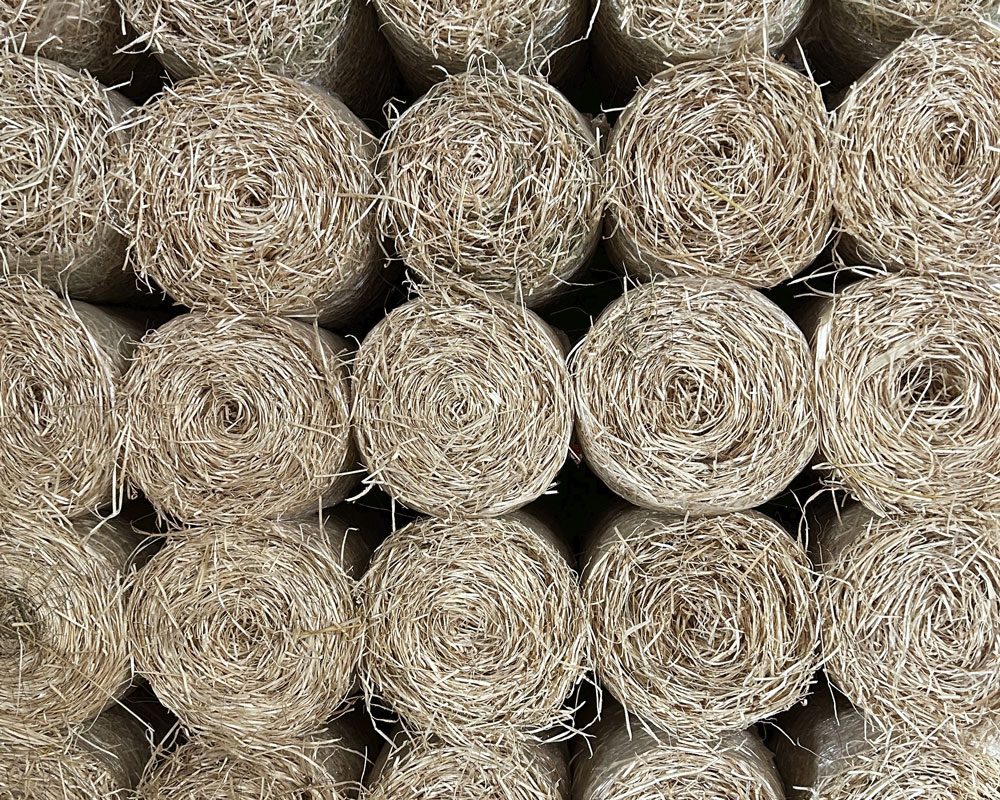
Durable solutions such as North American Green Rolled Blankets, turf reinforcement mats, and woven and nonwoven geotextiles are selected not only for their initial performance but also for their ability to provide long-term stabilization while reducing maintenance demands and replacement costs.
Looking beyond installation and considering total lifecycle performance often results in more resilient and cost-effective stormwater systems.
Performance Metric #4: Resilience
Resilience has become an increasingly important design objective as rainfall patterns become more variable. Stormwater systems that perform well during average conditions may experience greater stress during prolonged rainfall, flash flooding, or extended dry periods followed by intense storms.
Performance-based design evaluates how infrastructure responds across a wider range of conditions rather than assuming every project will experience “average” weather.
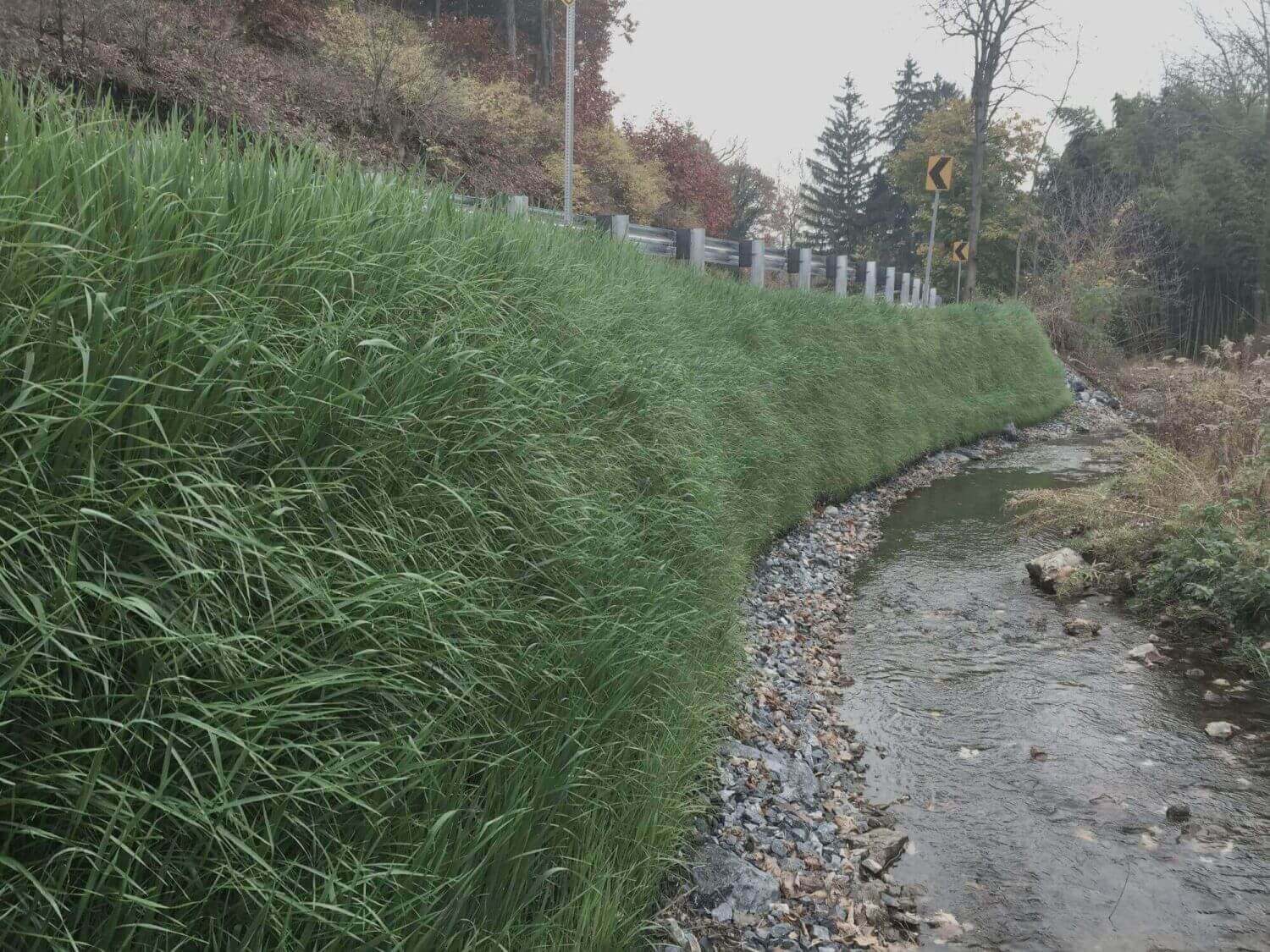
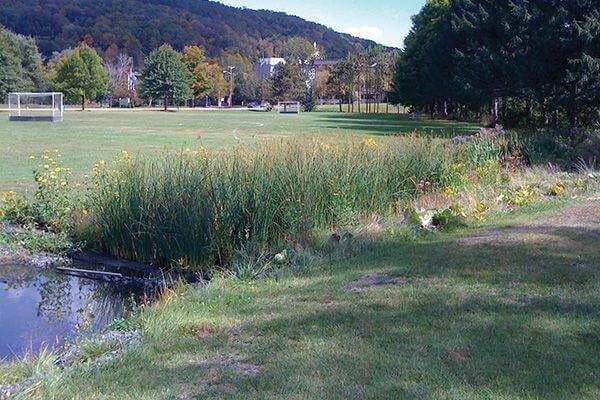
Rather than relying on a single BMP, resilient designs often combine perimeter controls, slope stabilization, pollutant filtration, and green infrastructure into an integrated system. For example, pairing SiltSoxx for sediment control with GreenLoxx vegetated stabilization creates multiple layers of protection that continue working together as site conditions evolve throughout construction.
Integrated Systems Deliver Better Outcomes
One of the defining characteristics of performance-based stormwater design is recognizing that no single BMP can accomplish every objective. Each practice contributes to the overall performance of the system.
For example, a project may use:
- DiversionSoxx to redirect runoff and reduce flow velocities
- SiltSoxx to intercept sediment along the project perimeter
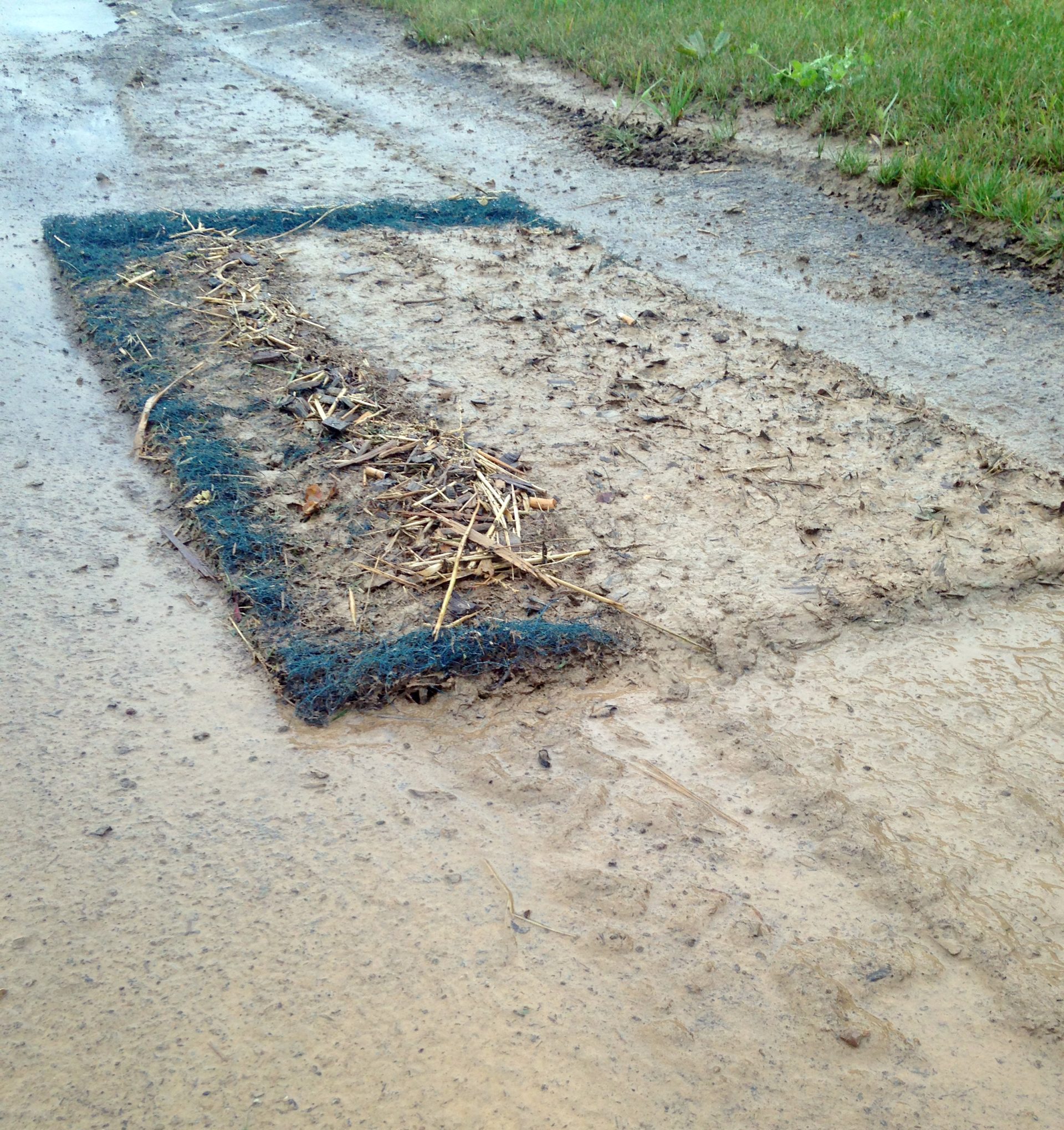
- BlackHawk Inlet Filter Mats to protect storm drains from sediment intrusion
- RECPs and TRMs to stabilize disturbed slopes
- EnviroSoxx to improve runoff quality through pollutant filtration
Individually, each solution addresses a specific challenge. Together, they create a coordinated stormwater management system capable of delivering stronger overall performance than any single BMP alone.
This systems-based approach is becoming increasingly common as engineers prioritize measurable outcomes over prescribed products.
The Future of Stormwater Design
As environmental expectations continue to evolve, stormwater design is becoming more focused on performance, adaptability, and long-term value.
Instead of asking whether a BMP was simply installed correctly, engineers are evaluating whether the entire system effectively manages runoff, protects water quality, minimizes maintenance, and continues performing throughout the life of the project.
This evolution doesn’t replace proven erosion and sediment control practices, it makes better use of them. By defining clear performance objectives and selecting complementary solutions that work together, project teams can create stormwater systems that are more resilient, more efficient, and better prepared for the challenges of tomorrow.
Partner with MKB for Performance-Driven Stormwater Solutions
At MKB, we understand that successful stormwater management begins with performance—not products. Our portfolio of stormwater management solutions is designed to help engineers, contractors, and project owners achieve measurable outcomes across a wide range of applications.
Whether your project prioritizes runoff reduction, pollutant removal, long-term durability, or resilient infrastructure, MKB can help you develop an integrated stormwater strategy built around performance from the ground up.
Contact MKB today to learn how performance-based stormwater design can improve the success of your next project.