

When it comes to stormwater management, most of the attention is focused on rainfall. Project teams watch the forecast, prepare for incoming storms, and respond when heavy rain causes erosion or sediment movement.
But the most successful construction sites aren’t built during storms, they’re built between them.
Dry weather creates a valuable opportunity to inspect, maintain, and improve erosion and sediment control measures before the next rainfall puts them to the test. In many cases, the work completed during these quiet periods determines how well a site performs when the weather changes.
Rather than viewing dry days as downtime for stormwater management, contractors should see them as one of the most valuable phases of the stormwater management cycle.
Register for a Virtual Lunch & Learn Session
Deepen your understanding of green infrastructure and explore the latest trends and innovations in the field. During this session industry experts will share valuable insights, practical tips, and real-world case studies.
Earn 1 PDH Credit.
Stormwater Management Doesn't Stop When the Rain Does
It’s easy to think of stormwater management as something that only matters when rain is in the forecast.
In reality, every storm provides valuable feedback about how a construction site is performing.
Did runoff follow the intended drainage path?
Did erosion control measures perform as expected?
Were sediment controls located where they were needed most?
Did site conditions change enough to require additional protection?
The answers to these questions shouldn’t be saved for the next inspection. They should shape the work completed before the next storm ever arrives. The strongest stormwater management programs are not reactive. Instead, they continuously evolve as the project evolves.
Construction Sites Are Constantly Changing
Unlike permanent infrastructure, active construction sites rarely remain the same for long.
Grading alters drainage patterns. Utilities create new disturbed areas. Temporary roads shift equipment traffic. Stockpiles move. Vegetation begins establishing in one area while excavation starts in another.
Because the site is constantly changing, stormwater controls should change with it.
Dry weather provides project teams with an opportunity to step back, evaluate current conditions, and determine whether existing BMPs still match the site’s needs instead of relying on controls installed weeks or months earlier.
Small Problems Become Big Problems During the Next Storm
Many stormwater failures don’t actually begin during rainfall—they begin long before the clouds arrive.
An erosion control blanket begins lifting at one corner.
A compost filter sock gradually fills with sediment.
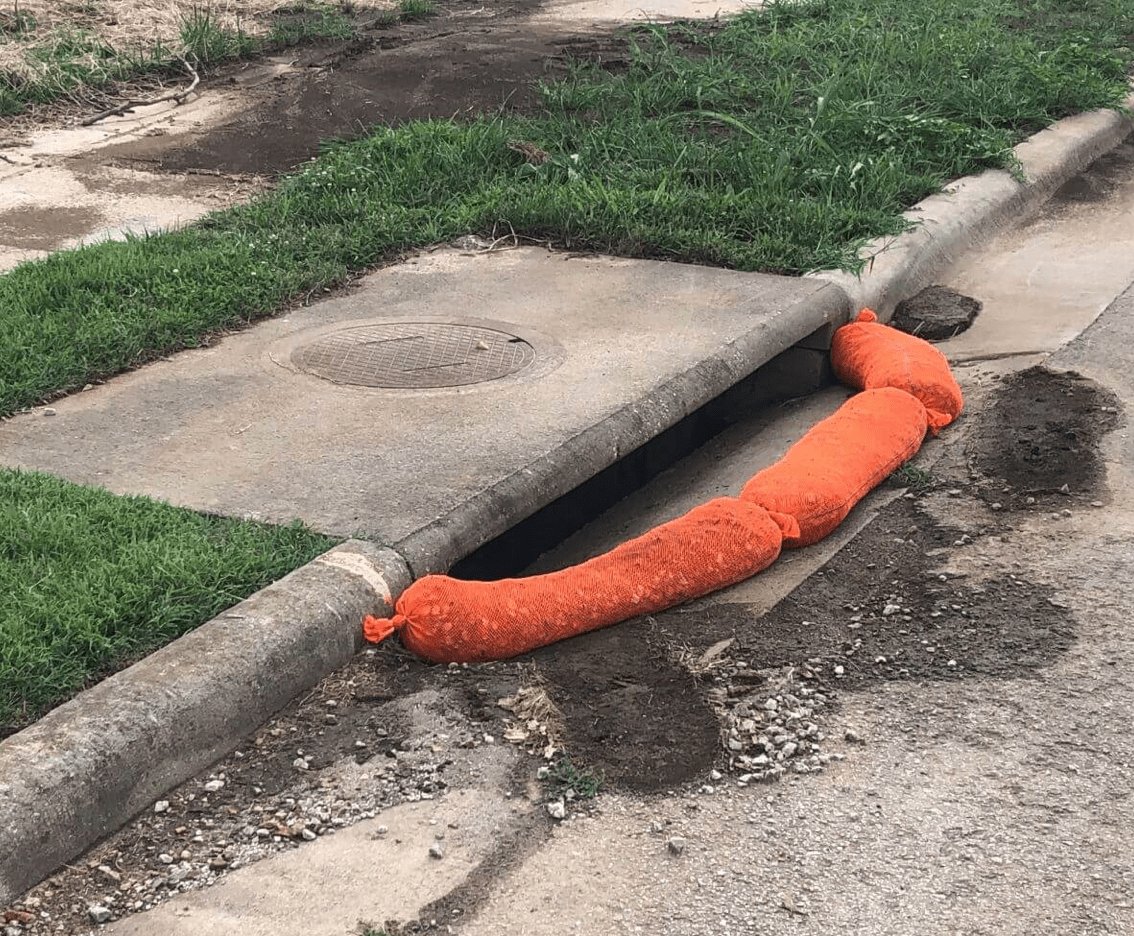
An inlet protection device starts to clog.
A diversion berm becomes flattened after repeated equipment crossings.
None of these issues may seem urgent during dry weather. But when the next storm arrives, those small deficiencies often become the starting point for larger failures that require emergency repairs and disrupt project schedules.
Routine inspections between storms allow crews to address minor issues while repairs remain simple and inexpensive.
Long-Term Stabilization Doesn't Happen Overnight
Temporary BMPs play an important role, but the ultimate goal on most projects is establishing long-term site stability.
Dry weather provides the best opportunity to evaluate whether disturbed areas are progressing toward that goal.
Project teams can assess vegetation establishment, identify areas requiring reseeding, inspect erosion control blankets for proper soil contact, evaluate moisture retention, and determine whether additional stabilization measures are needed.
Every day that vegetation becomes more established reduces erosion potential before the next rainfall event. Investing time in permanent stabilization during dry weather often reduces maintenance requirements throughout the remainder of the project.
Use Dry Weather to Make the Next Storm Less Eventful
The most successful contractors don’t simply repair damage after every storm—they use each dry period to improve how the site will perform during the next one.
Instead of asking whether BMPs survived the last rainfall, they ask:
- Which controls required the most maintenance?
- Did runoff behave as expected?
- Have grading activities changed drainage patterns?
- Are additional controls needed as construction progresses?
- Which areas continue to experience recurring issues?
Once those questions are answered, crews can make targeted improvements by:
- Repairing damaged BMPs
- Stabilizing newly disturbed areas
- Removing accumulated sediment
- Restoring inlet protection
- Replenishing erosion control materials
- Updating inspection records
The objective isn’t simply to recover from the last storm, it’s to ensure the next storm has less impact than the one before it.
Proactive Stormwater Management Protects More Than Compliance
Stormwater management is often viewed through the lens of inspections and regulatory requirements. But proactive maintenance between storms provides benefits that extend well beyond compliance.
It helps protect project schedules, reduces emergency labor, minimizes material replacement, extends the life of BMPs, improves vegetation establishment, and decreases the likelihood of costly washouts or sediment cleanup.
Every hour invested during dry weather has the potential to save many more hours after the next major rainfall.
Partner With MKB for Year-Round Stormwater Performance
Stormwater management isn’t just about responding to rain—it’s about preparing for it.
MKB helps contractors, engineers, and project owners develop resilient stormwater management strategies with erosion and sediment control solutions designed to perform throughout every phase of construction. From erosion control blankets and geotextiles to compost filter socks, inlet protection systems, turf reinforcement mats, and advanced stormwater filtration products, MKB provides integrated solutions that support proactive site management, not just emergency response.
Contact MKB today to learn how the right stormwater strategy can help keep your project ready before the next storm ever appears on the forecast.