

On today’s construction sites, inspections aren’t just about whether BMPs are installed. They’re about whether they’re working.
Across many regions, there’s a noticeable shift in how sites are being evaluated. Inspectors are looking more closely at performance, maintenance, and how well controls match actual site conditions, not just what’s written in the SWPPP.
When issues do show up, they tend to fall into a few familiar patterns.
Here are five of the most common sediment control failures that are getting attention in 2026, and what to do about them.
Register for a Virtual Lunch & Learn Session
Deepen your understanding of green infrastructure and explore the latest trends and innovations in the field. During this session industry experts will share valuable insights, practical tips, and real-world case studies.
Earn 1 PDH Credit.
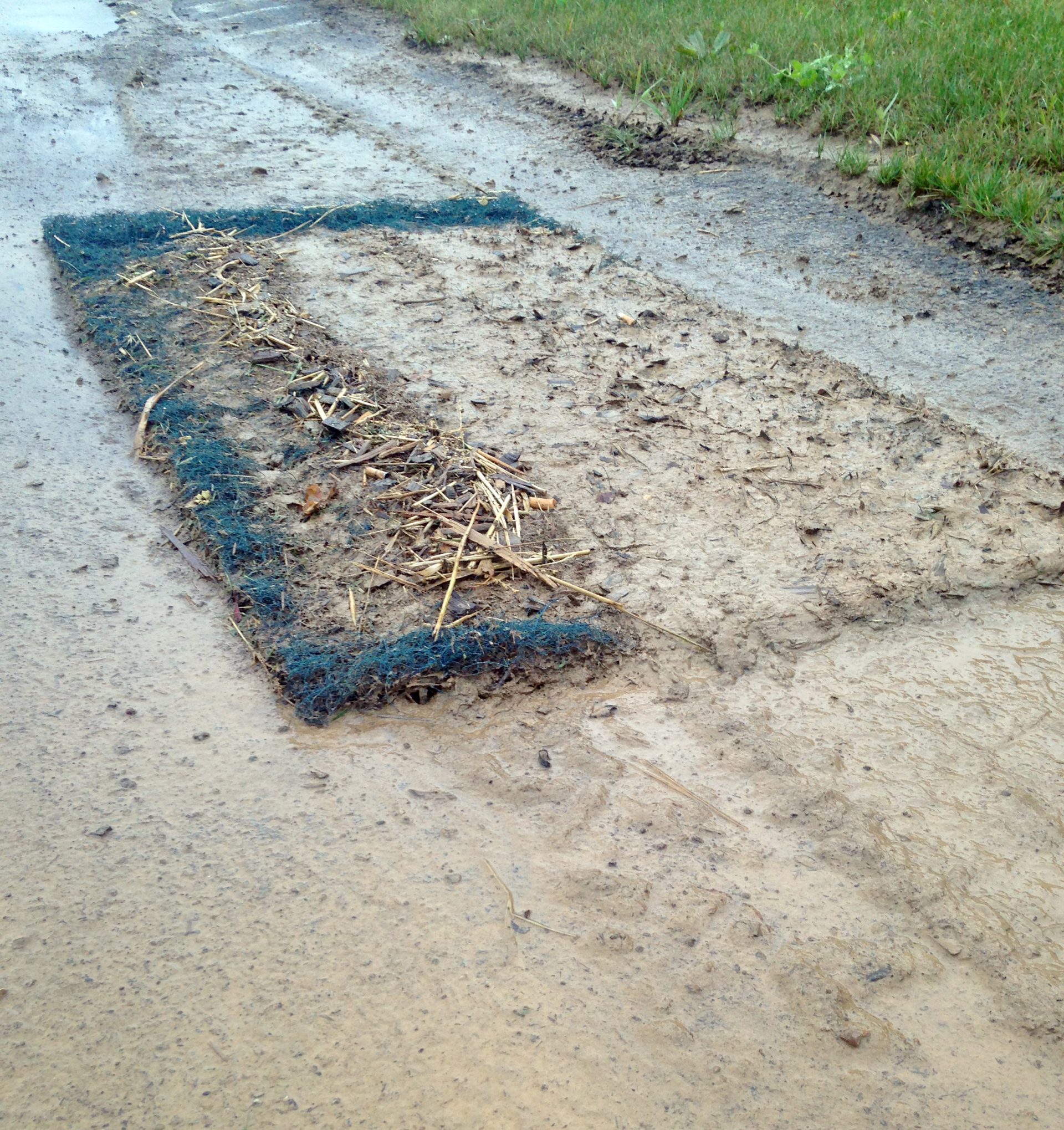
1. Sediment Bypassing Perimeter Controls
When rain hits disturbed soil and active work areas, it doesn’t just carry sediment. It interacts with everything on the surface such as materials, equipment, and exposed ground, picking up additional contaminants along the way.
Commonly observed pollutants in construction runoff can include:
- Fine sediment and suspended solids
Smaller particles that stay suspended longer and travel farther than coarse sediment - Nutrients (nitrogen and phosphorus)
Often associated with organic materials or disturbed soils - Hydrocarbons (oil, fuel, lubricants)
From equipment use, storage areas, and vehicle traffic - Metals
Traces from building materials, coatings, or site activity - Construction-related debris and residues
Concrete washout, adhesives, or other materials depending on the phase of work
Not every site will encounter all of these, but it’s safe to say that most sites deal with more than just sediment.
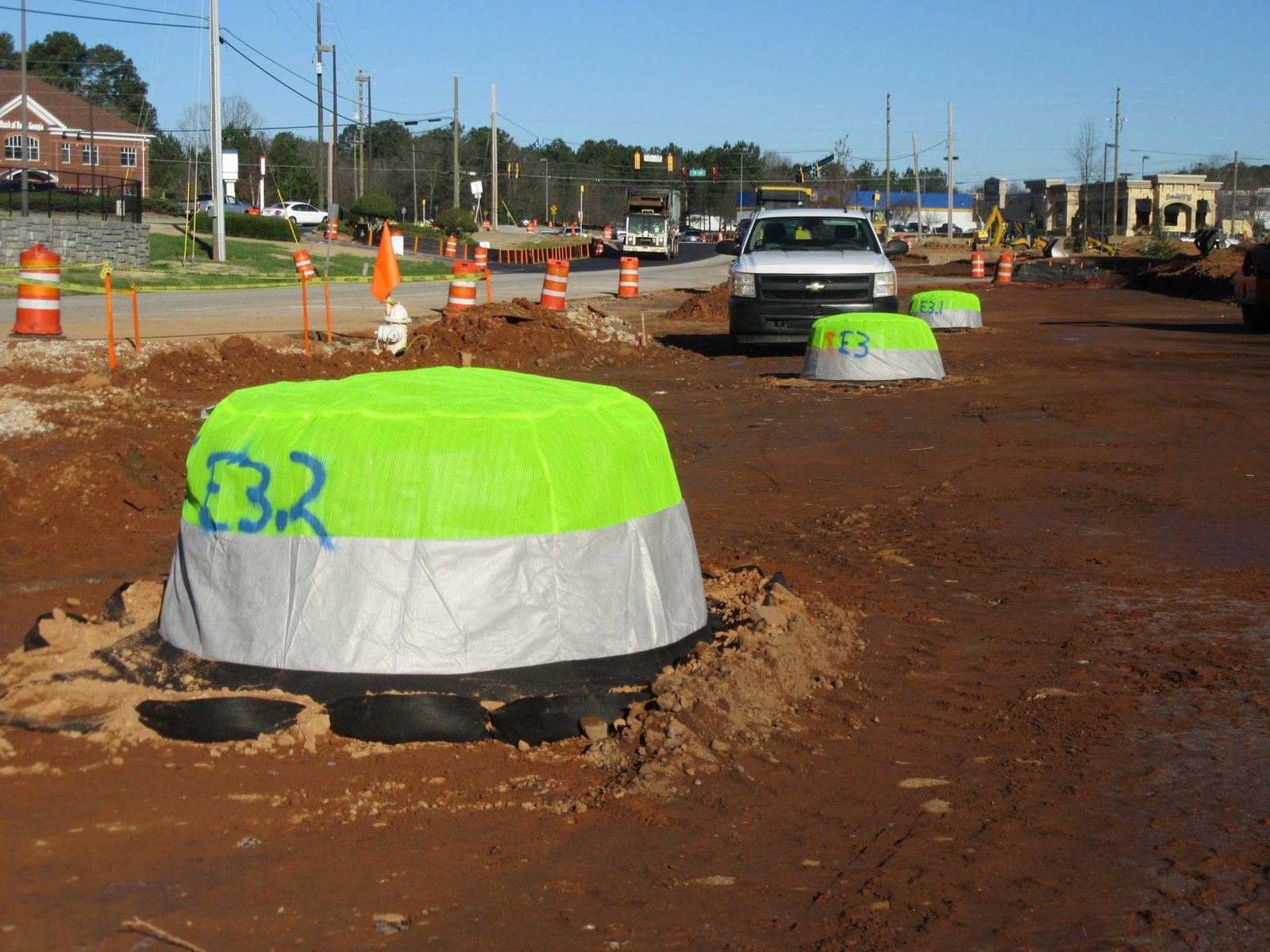
2. Inlet Protection That Fails Under Pressure
Storm drain inlets are one of the most closely watched areas on any site, and they’re also one of the most common failure points.
What’s happening:
- Inlet protection clogging and blocking flow
- Water overtopping or bypassing the system
- Sediment reaching the storm system despite controls
Why it matters: When inlet protection fails, sediment leaves the site quickly, and visibly.
What helps:
- Reducing sediment load before it reaches the inlet
- Using solutions designed to balance filtration and flow
- Monitoring inlets more frequently during active conditions
3. Over-Reliance on a Single BMP
Many sites still depend heavily on one type of control, often at the perimeter. But today’s conditions are exposing the limits of that approach.
What’s happening:
- Perimeter-only strategies getting overwhelmed
- Concentrated flow bypassing isolated controls
- No secondary systems in place
Why it matters: No single BMP is designed to handle every condition on a site.
What helps:
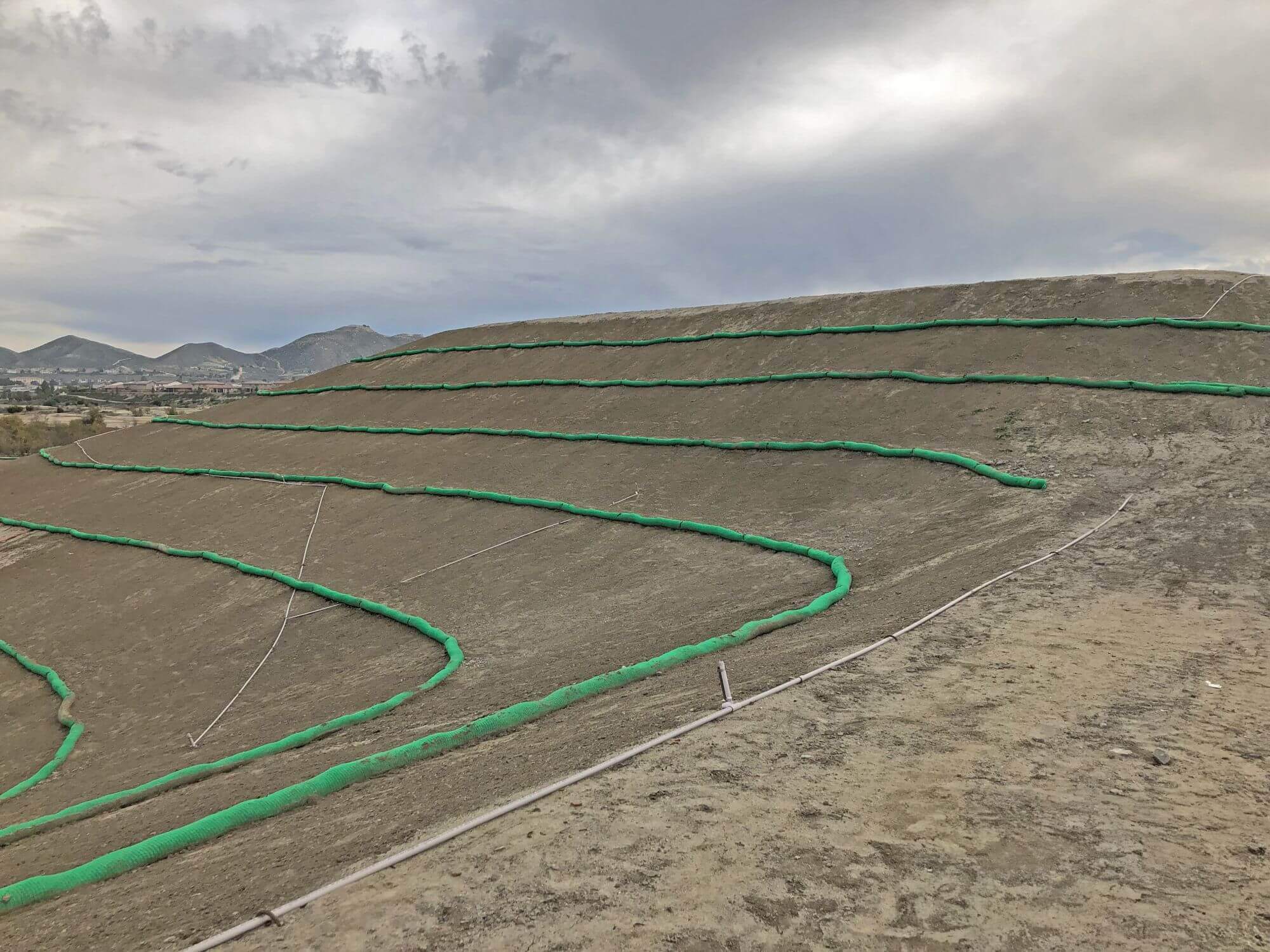
- Layering controls across the site
- Combining perimeter, slope, and inlet protection
- Treating runoff throughout its path, not just at the edge
4. Lack of Maintenance Between Storm Events
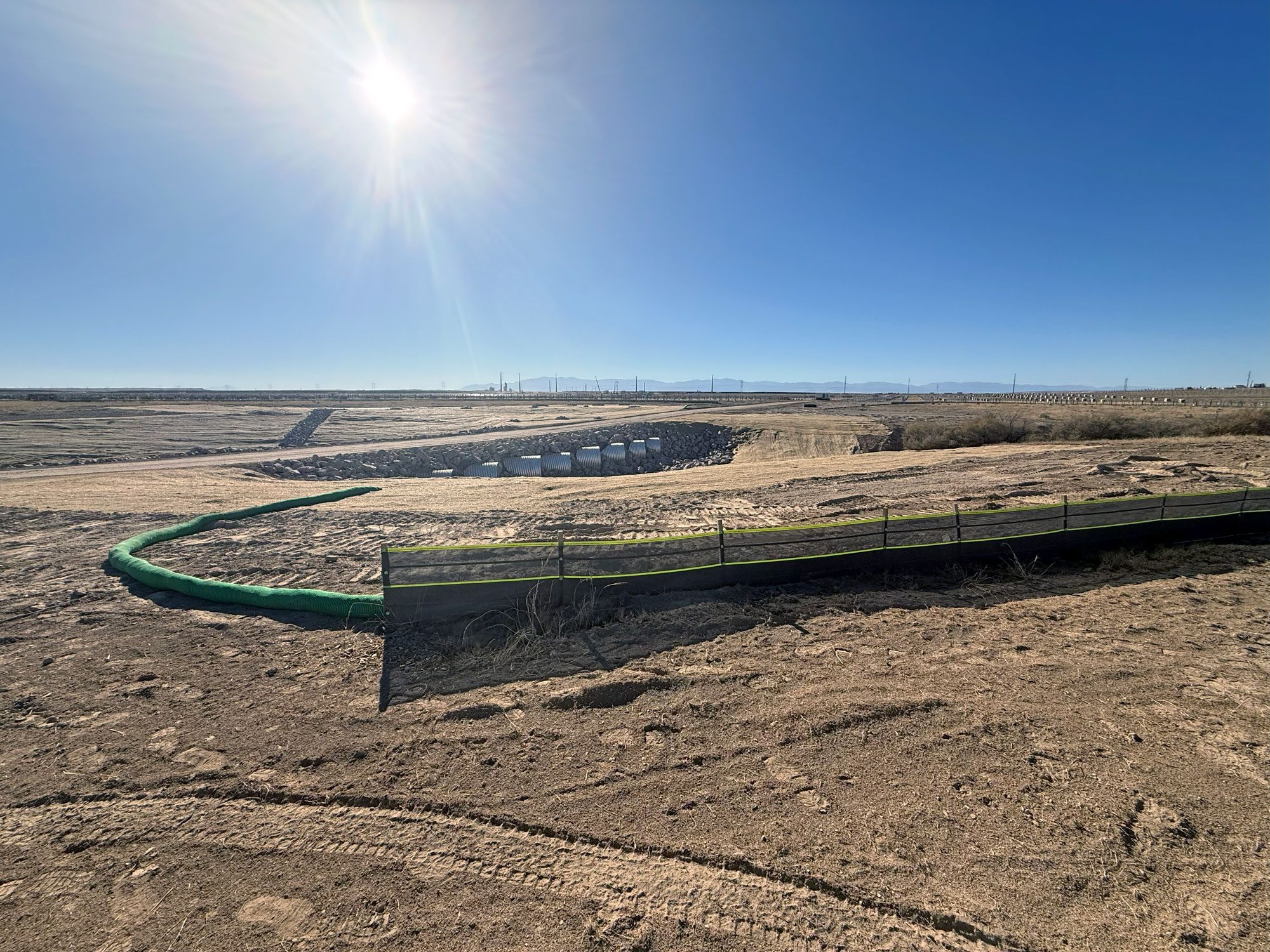
Even well-installed BMPs can fail if they aren’t maintained, and maintenance is one of the easiest issues for inspectors to spot.
What’s happening:
- Sediment buildup reducing effectiveness
- Damaged or displaced controls left unaddressed
- Systems are not reset after rain events
Why it matters: Performance drops quickly when BMPs aren’t maintained, which means that small issues become bigger ones fast.
What helps:
- Routine inspection schedules (especially after rain)
- Quick repair or replacement of compromised controls
- Choosing products that require less frequent maintenance
5. Controls That Don’t Match Site Conditions
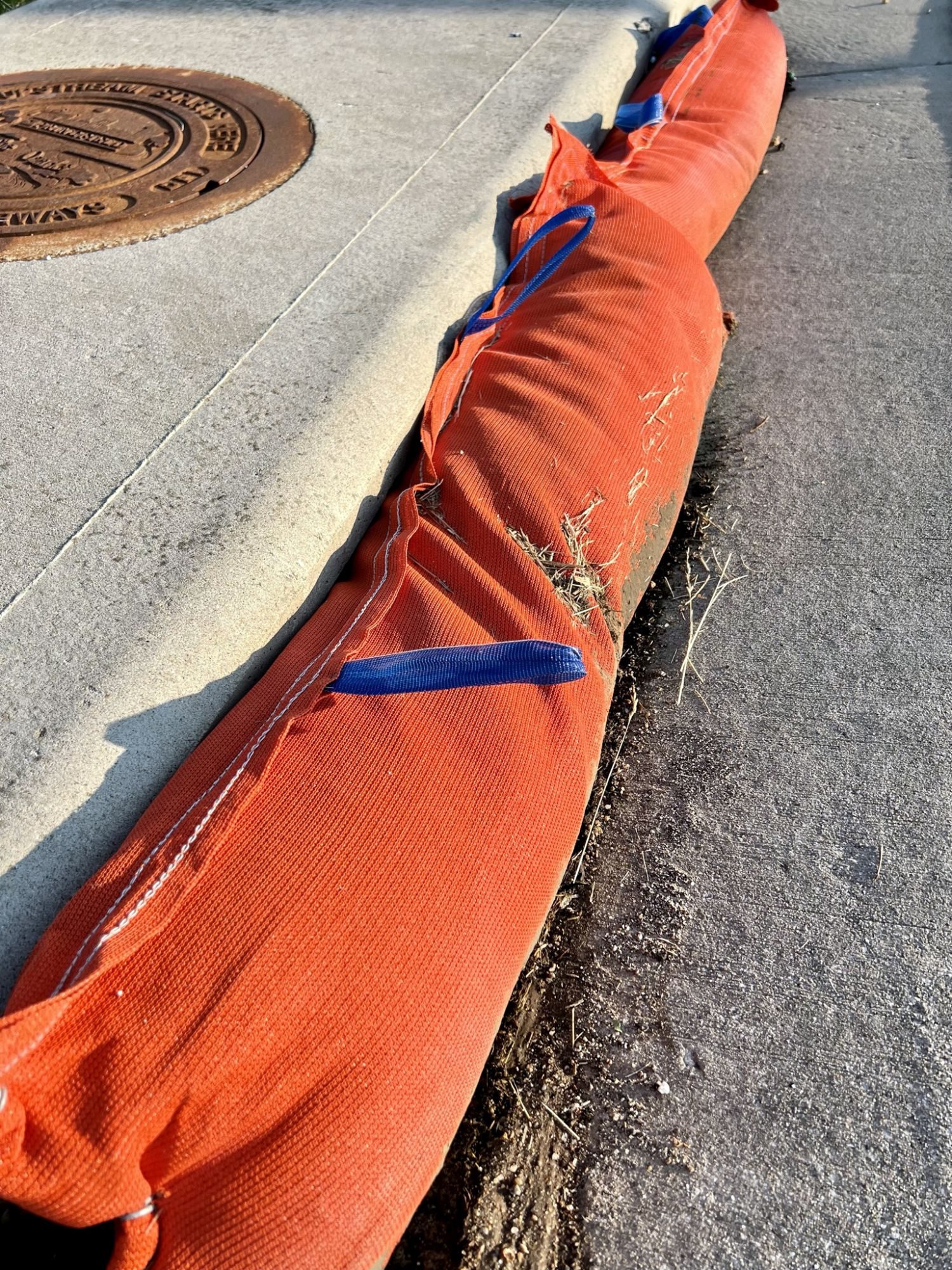
Not every BMP works in every environment, and using the wrong solution in the wrong place is a common reason sites struggle.
What’s happening:
- Standard products used in high-flow areas
- Controls not suited for slopes, channels, or uneven terrain
- Systems installed without considering how water actually moves
Why it matters: Mismatch leads to underperformance, even if the BMP is technically “installed.”
What helps:
- Evaluating flow paths before selecting products
- Matching solutions to slope, soil, and flow conditions
- Adjusting strategy as site conditions change
What Inspectors Are Really Looking For
While requirements vary by region, there’s a broader trend emerging across inspections: the focus is shifting from presence to performance. Inspectors aren’t just checking whether BMPs are installed according to the SWPPP, they’re evaluating how those controls are actually functioning under real site conditions. That means looking for signs of sediment leaving the site, even in small amounts, and assessing whether installed systems are effectively slowing, filtering, and containing runoff. They’re also paying closer attention to maintenance over time, whether controls are being inspected, repaired, and reset after storm events, or simply left in place as conditions change.
Just as important, inspectors are considering whether the selected BMPs make sense for the site itself, taking into account its slopes, soil types, flow paths, and level of disturbance. A system that technically meets spec but fails under actual conditions is more likely to draw attention than one that’s thoughtfully adapted to the environment. In other words, compliance is no longer just about what’s documented, it’s about what’s working in the field, day after day, storm after storm.
How to Stay Ahead of These Failures
The sites that consistently perform well, and avoid repeat inspection issues, tend to follow a few key principles. Instead of reacting after problems show up, they build control into the site from the start and adjust as conditions evolve.
- Control water early before it gains velocity
The sooner runoff is managed, the easier it is to contain. Interrupting flow paths upstream reduces the energy that drives erosion and sediment movement. - Use multiple BMPs together, not in isolation
No single solution is designed to handle every condition. Layering perimeter control, slope protection, and inlet protection creates a system that can handle changing site dynamics. - Prioritize installation quality and ground contact
Even the best products underperform if they’re poorly installed. Proper trenching, sealing, and placement are critical to preventing bypass and failure. - Plan for maintenance, not just installation
BMPs aren’t “set it and forget it.” Regular inspection, sediment removal, and repairs, especially after storm events, are essential to maintaining performance. - Adapt to conditions, not just specifications
Site conditions change as work progresses. Adjusting BMP placement and selection based on real-time conditions helps prevent small issues from becoming major failures.
This is where having the right system, and the right partner, makes a difference.
Stop Problems Before They Get Flagged
Most sediment control failures aren’t surprises. They’re predictable outcomes of systems that weren’t designed for real-world conditions.
MKB helps contractors, engineers, and developers take a more proactive approach by building site-specific strategies that manage water, control sediment, and hold up under pressure from the first storm to final stabilization. It’s about looking beyond minimum requirements and creating a plan that performs across the entire site, not just at isolated points.
Contact MKB today to discuss your project and develop a strategy that works in the field, not just on paper.