

When contractors think about stormwater management, fines and regulatory compliance are often the first concerns that come to mind. While those risks are real, they’re rarely the most expensive consequences of poor erosion and sediment control.
The true cost of ineffective stormwater management often appears long before an inspector arrives. Every washout, clogged inlet, failed slope stabilization measure, or sediment cleanup adds unexpected labor, material costs, equipment time, and project delays that quickly eat into already tight margins.
Whether you’re managing a commercial development, highway expansion, utility installation, or residential subdivision, proactive stormwater management is one of the most cost-effective investments you can make throughout the life of a project.
Register for a Virtual Lunch & Learn Session
Deepen your understanding of green infrastructure and explore the latest trends and innovations in the field. During this session industry experts will share valuable insights, practical tips, and real-world case studies.
Earn 1 PDH Credit.
Stormwater Problems Start Small—Then Escalate Quickly
A construction site can remain stable for weeks, only to experience significant erosion after a single storm event.
Without proper BMPs in place, rainfall begins a chain reaction:
- Exposed soil detaches from the surface.
- Runoff carries sediment across the site.
- Storm drains and inlets become clogged.
- Slopes begin to erode.
- Sediment leaves the project boundary.
- Crews shift from productive work to emergency cleanup.
What started as a minor erosion issue can quickly become a schedule disruption affecting multiple trades.
The Cost You Don't Budget For
Project estimates typically include grading, utilities, paving, landscaping, and permanent drainage systems. What they often don’t account for are the hidden costs associated with stormwater failures.
Rework After Washouts
One heavy rain can undo days, or even weeks, of completed work.
Crews may need to:
- Regrade slopes
- Replace washed-out topsoil
- Repair drainage channels
- Reseed disturbed areas
- Reinstall erosion control products
Every hour spent repairing preventable damage is an hour that isn’t moving the project forward.
Lost Productivity
Stormwater issues rarely affect only one crew. Equipment operators, grading contractors, landscapers, inspectors, and utility installers often find themselves waiting while erosion damage is repaired.
The result is lost production across the entire project schedule.
Increased Labor Costs
Emergency repairs are almost always more expensive than planned installations.
Instead of installing erosion control measures under normal working conditions, crews are often forced to respond quickly after a storm, sometimes working overtime or diverting personnel from scheduled tasks.
Reactive work nearly always costs more than proactive planning.
Sediment Cleanup Is Expensive
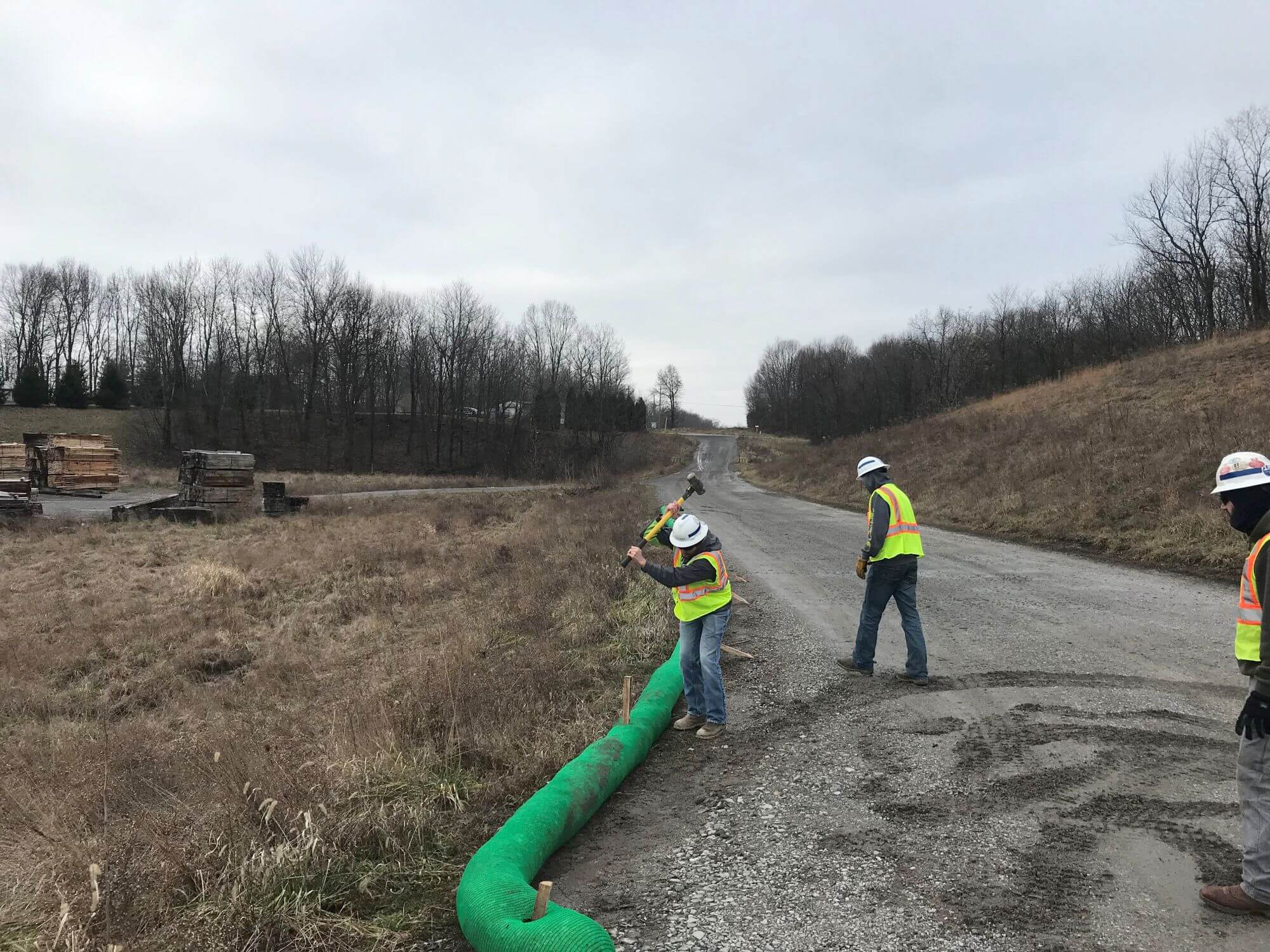
Once sediment leaves its intended location, someone has to remove it.
Cleanup may involve:
- Vacuuming storm drains
- Cleaning sediment basins
- Removing material from streets
- Restoring damaged landscaping
- Hauling away accumulated sediment
- Disposing of contaminated materials
These activities require additional labor, equipment, fuel, and disposal costs that were never part of the original project budget.
Preventing sediment movement is almost always less expensive than cleaning it up afterward.
Project Delays Can Be More Costly Than Repairs
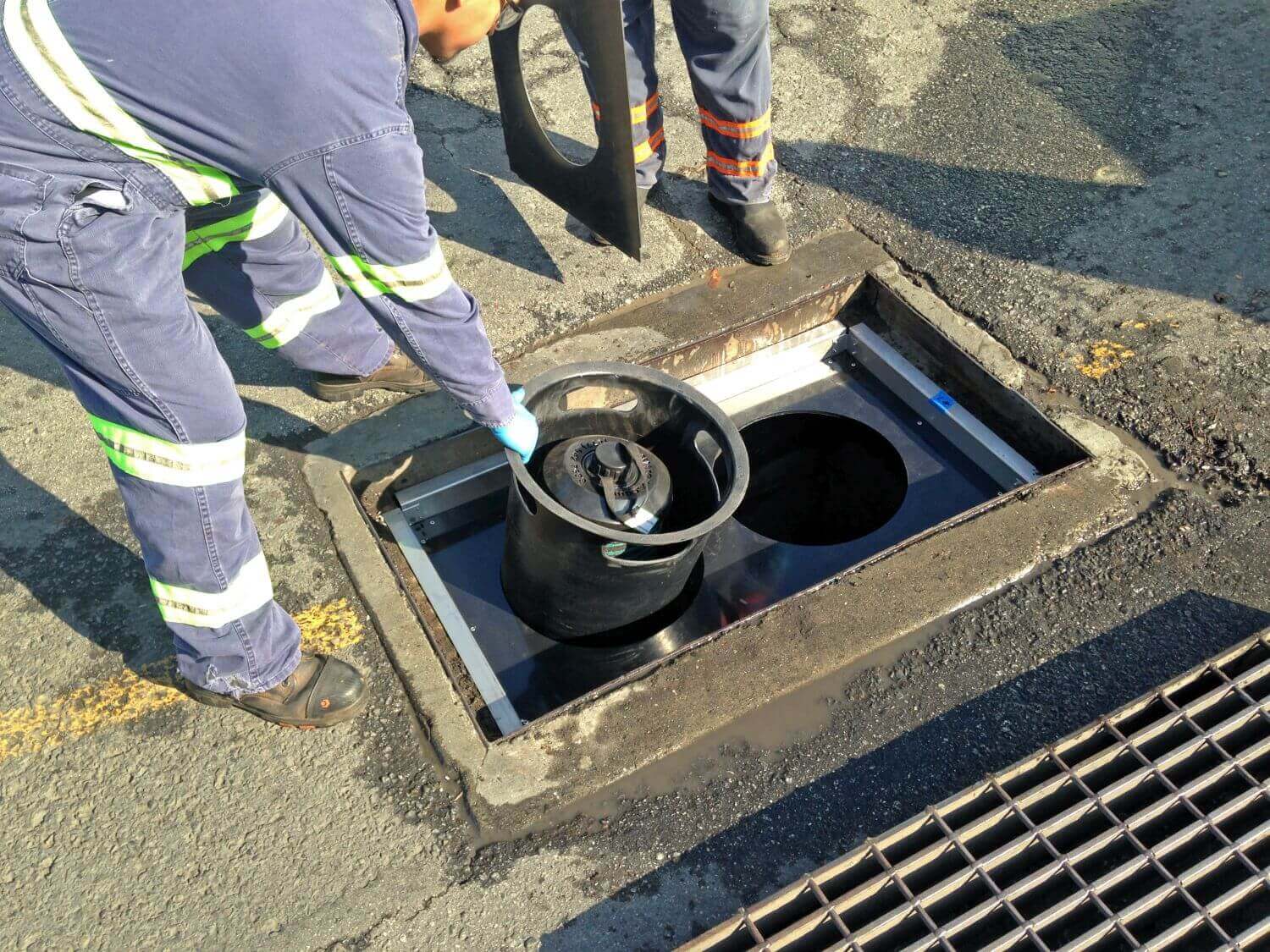
Many stormwater failures create schedule impacts that extend well beyond the cleanup itself.
Eroded slopes may need to stabilize before additional work can continue. Utility installation may be delayed until access roads are repaired. Landscaping crews may have to wait until grades are restored.
Even relatively minor stormwater failures can create a ripple effect across multiple phases of construction. When subcontractors must be rescheduled or equipment sits idle, the financial impact continues to grow.
Compliance Issues Add Another Layer of Risk
Stormwater regulations exist to prevent sediment and pollutants from leaving active construction sites and entering nearby waterways.
If inspections identify deficiencies, contractors may be required to:
- Repair damaged BMPs
- Stabilize exposed soil
- Remove accumulated sediment
- Increase inspection frequency
- Document corrective actions
- Delay project activities until deficiencies are resolved
Beyond the immediate cost of corrective work, repeated compliance issues can affect client confidence and increase scrutiny throughout the remainder of the project.
Small Problems Become Big Problems Without Routine Maintenance
Even properly installed BMPs require regular inspection and maintenance.
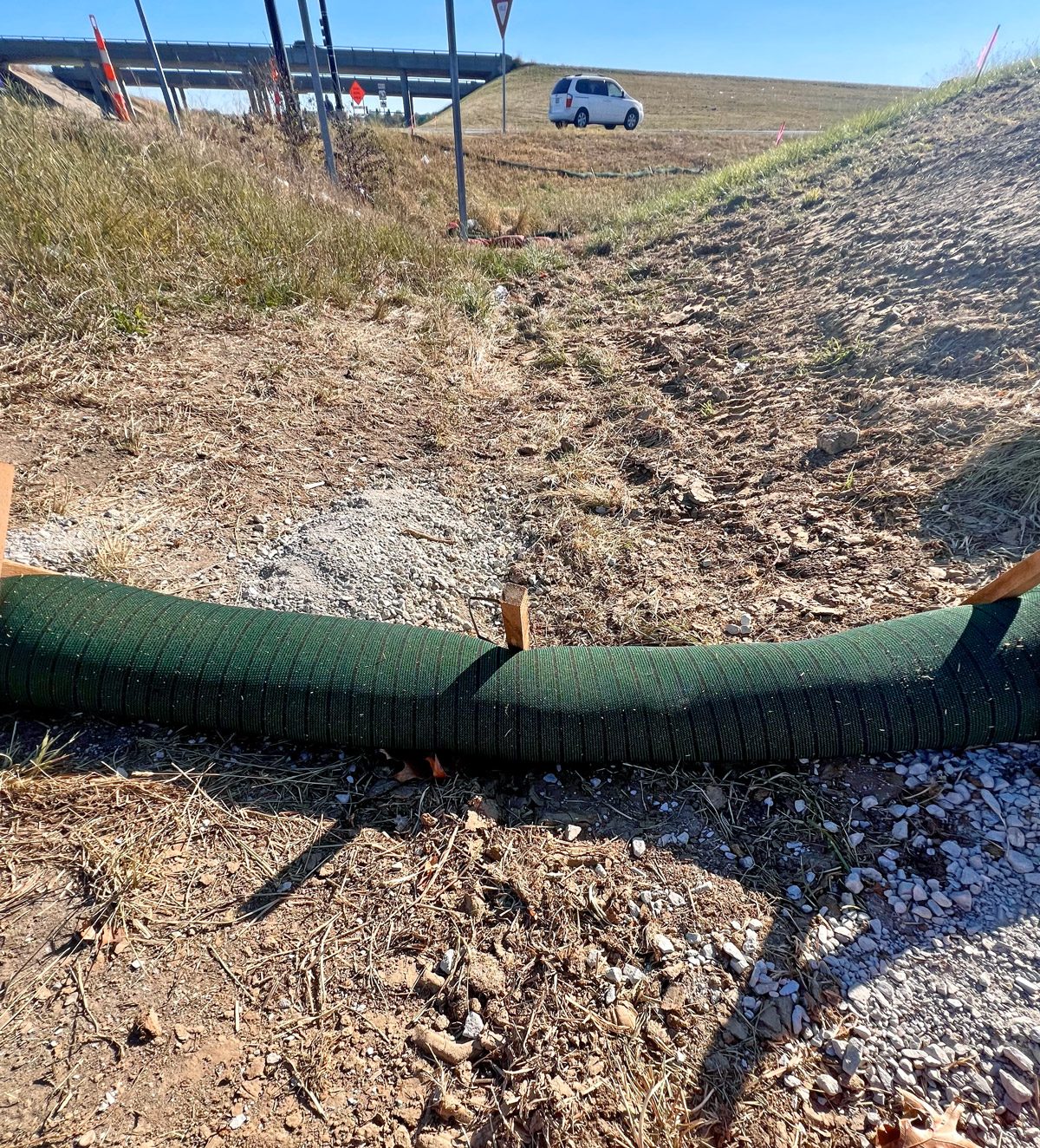
Compost filter socks become filled with sediment.
Inlet protection devices clog.
Temporary slope protection may shift after heavy rainfall.
Diversion systems can become obstructed by debris.
Routine inspections allow crews to address these issues before they develop into larger failures requiring extensive repairs.
Maintenance is often one of the most affordable forms of risk management available on a construction project.
A Layered Stormwater Strategy Delivers Better Results
No single BMP can solve every stormwater challenge.
The most successful projects use multiple erosion and sediment control practices that work together throughout each phase of construction.
Depending on site conditions, a comprehensive approach may include:
- Erosion control blankets and rolled erosion control products to stabilize disturbed slopes
- Turf reinforcement mats for long-term protection in high-flow areas
- Compost filter socks to intercept sediment before it leaves the site
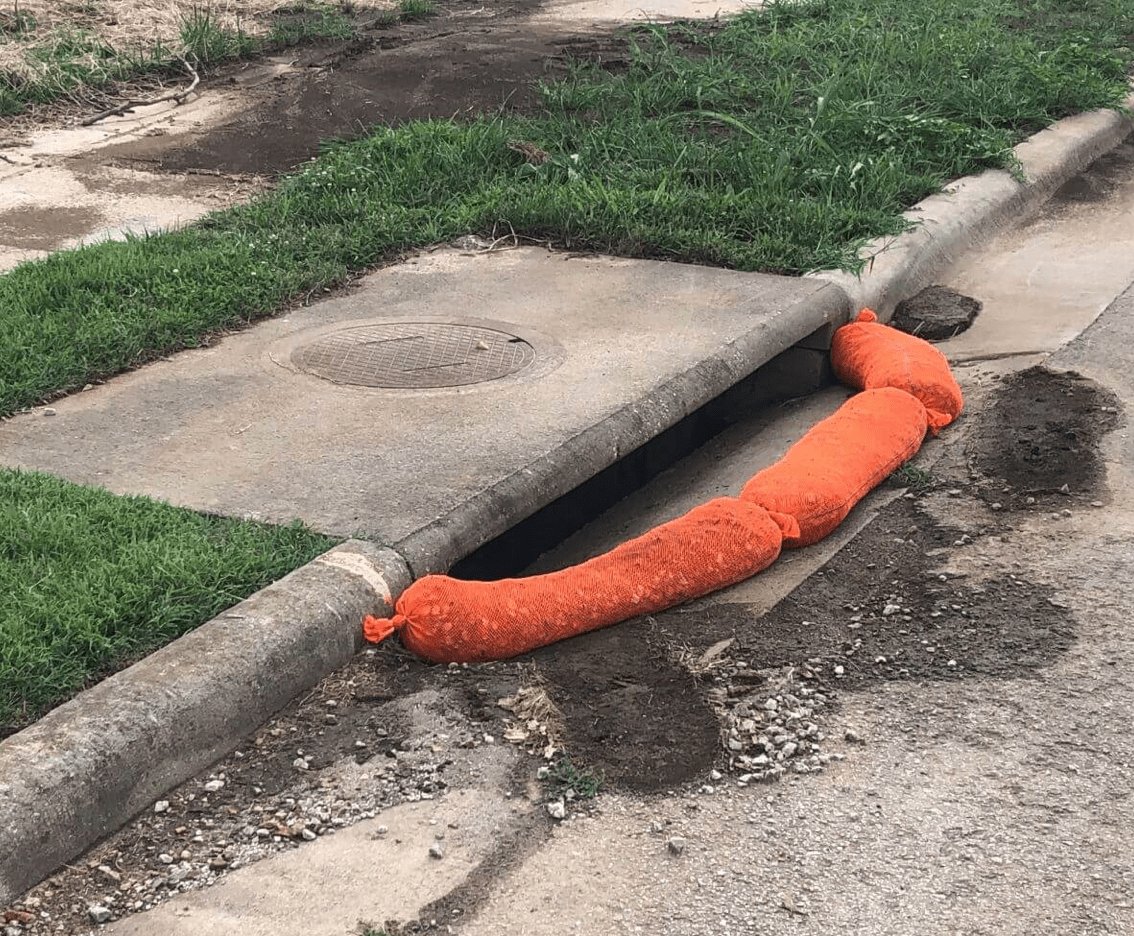
- Inlet protection systems to prevent sediment from entering storm drains
- Geotextiles to improve soil stabilization and drainage
- Pollutant filtration systems that capture sediment, hydrocarbons, nutrients, and other contaminants before they reach receiving waters
By combining complementary BMPs, contractors can reduce erosion, improve stormwater quality, and minimize the likelihood of costly project disruptions.
Investing Early Saves Money Later
Stormwater management is often viewed as another line item in the construction budget.
In reality, it functions more like insurance.
Installing effective erosion and sediment control measures early in the project can help avoid:
- Emergency repairs
- Material replacement
- Overtime labor
- Equipment downtime
- Schedule delays
- Compliance issues
- Environmental cleanup
- Repeat mobilization
The return on investment isn’t measured only by avoided fines, it’s measured by uninterrupted progress and predictable project costs.
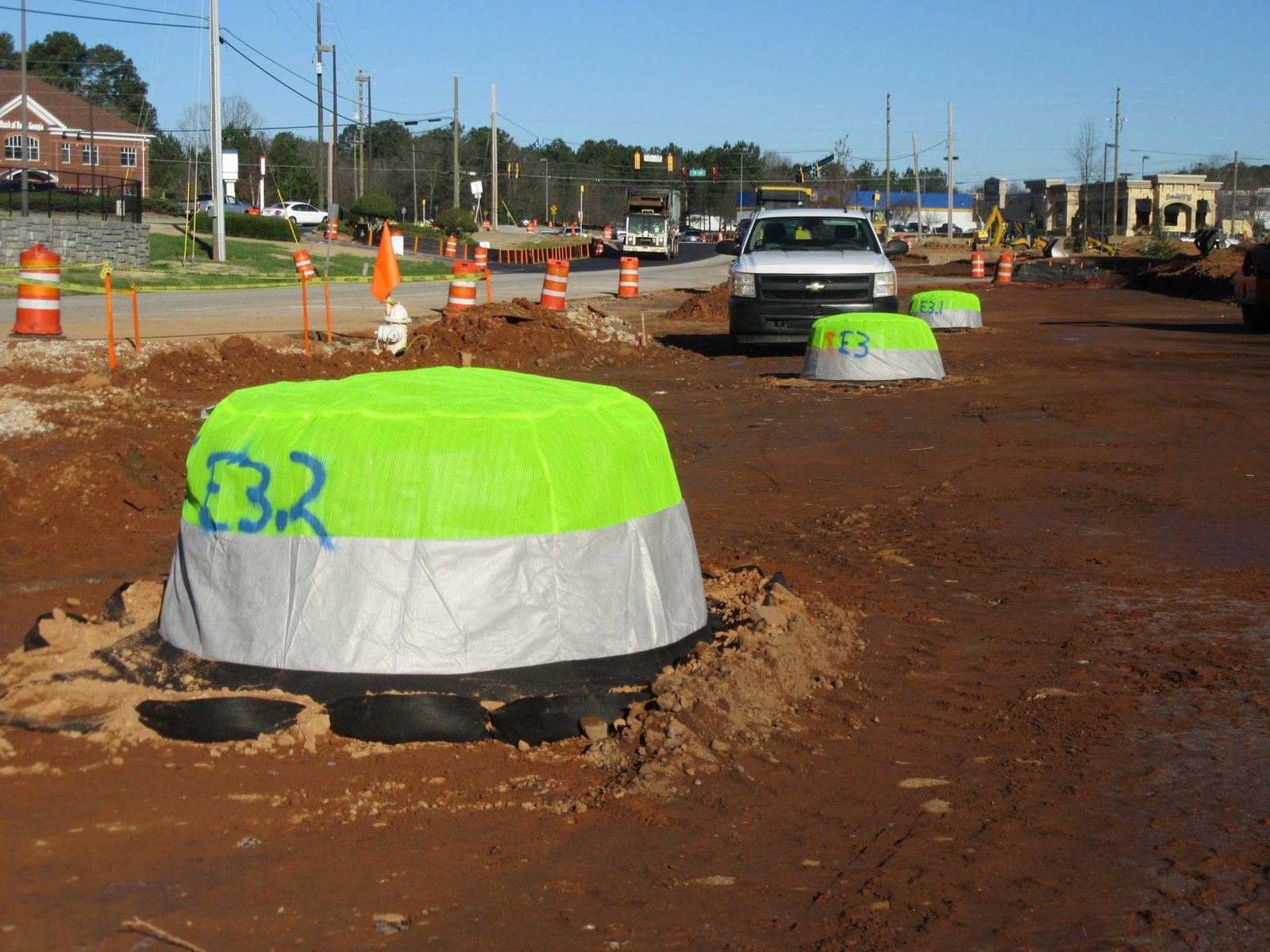
Partner with MKB to Build More Resilient Projects
Successful stormwater management begins long before the first rainfall.
MKB provides contractors, engineers, and project owners with erosion and sediment control solutions designed to help protect active construction sites from costly setbacks. From erosion control blankets and geotextiles to compost filter socks, inlet protection, turf reinforcement mats, and advanced stormwater filtration systems, our products are engineered to work together as part of a complete site management strategy.
Whether you’re planning a new project or improving an existing stormwater management plan, MKB’s team can help identify practical solutions that reduce risk, support regulatory compliance, and keep projects moving forward.
Contact MKB today to learn how a proactive approach to stormwater management can help protect your schedule, your budget, and your reputation.