

Every construction site changes.
A site that begins as cleared ground may move through mass grading, utility installation, vertical construction, final grading, landscaping, and closeout. Throughout those phases, water keeps moving and the risks associated with erosion and sediment move with it.
That’s why an erosion and sediment control strategy shouldn’t remain static from groundbreaking to completion.
During active construction, temporary erosion and sediment control BMPs help protect disturbed areas and manage sediment when soil begins to move. But as portions of the site reach final grade, the strategy needs to evolve.
The goal increasingly becomes permanent erosion control and stabilization: preventing soil from moving in the first place.
The question is: When should that transition happen?
The answer isn’t necessarily a date on the construction schedule. It depends on site conditions, construction progress, drainage patterns, vegetation establishment, and the long-term performance requirements of the finished site.
Understanding that transition can help contractors avoid a vulnerable period when temporary controls are being removed but permanent stabilization isn’t ready to take over.
Register for a Virtual Lunch & Learn Session
Deepen your understanding of green infrastructure and explore the latest trends and innovations in the field. During this session industry experts will share valuable insights, practical tips, and real-world case studies.
Earn 1 PDH Credit.
First, Understand Erosion Control vs. Sediment Control
Erosion control and sediment control are closely related, but they don’t perform the same job.
Erosion control focuses on preventing soil from becoming detached and transported. Stabilizing exposed soil, protecting slopes, reducing runoff velocity, and establishing vegetation can all help address erosion at its source.
Sediment control focuses on capturing soil after it has been mobilized. Products such as SiltSoxx, wattles, and silt fence help intercept sediment-laden runoff before sediment can leave the site or enter drainage infrastructure.
Erosion and sediment control work together throughout construction, but they address different challenges. Erosion control helps reduce soil loss at the source, while sediment control helps capture displaced soil before it can travel farther across or off the site.
As construction progresses and more areas reach final grade, the balance begins to shift. Temporary sediment controls may still be necessary, but long-term stabilization becomes increasingly important as finished areas transition from active construction to permanent site conditions.
Temporary Controls Have an Important Job
Active construction creates conditions that simply won’t exist on the finished site. Soil is exposed. Grades change. Heavy equipment moves across the property. Stockpiles appear and disappear. Drainage patterns shift as roads, utilities, buildings, and stormwater infrastructure are installed.
Temporary BMPs are designed to manage that constantly changing environment.
Temporary erosion control measures can help stabilize exposed soils and reduce erosion while areas remain under construction.
Temporary sediment control measures help capture sediment generated by disturbed areas.
The key word is temporary.
These controls are necessary because construction is still creating disturbance. As portions of the site reach their finished condition, the strategy should begin shifting toward long-term stabilization.

The Transition Doesn't Happen All at Once
It’s tempting to picture erosion and sediment control as two distinct project phases:
During construction, temporary BMPs are installed.
At the end of construction, they’re removed and permanent stabilization takes over.
Real jobsites rarely work that neatly.
One portion of a site may still be undergoing mass grading while another has reached final grade. A completed slope may sit next to an active staging area. Permanent drainage infrastructure may already be functioning while upstream soils remain disturbed.
Temporary controls and permanent stabilization therefore often need to coexist.
Instead of asking, “When can we remove the temporary BMPs?” a better question is:
Which areas are ready for permanent stabilization, and which still need temporary protection?
Several site conditions can help answer that question.

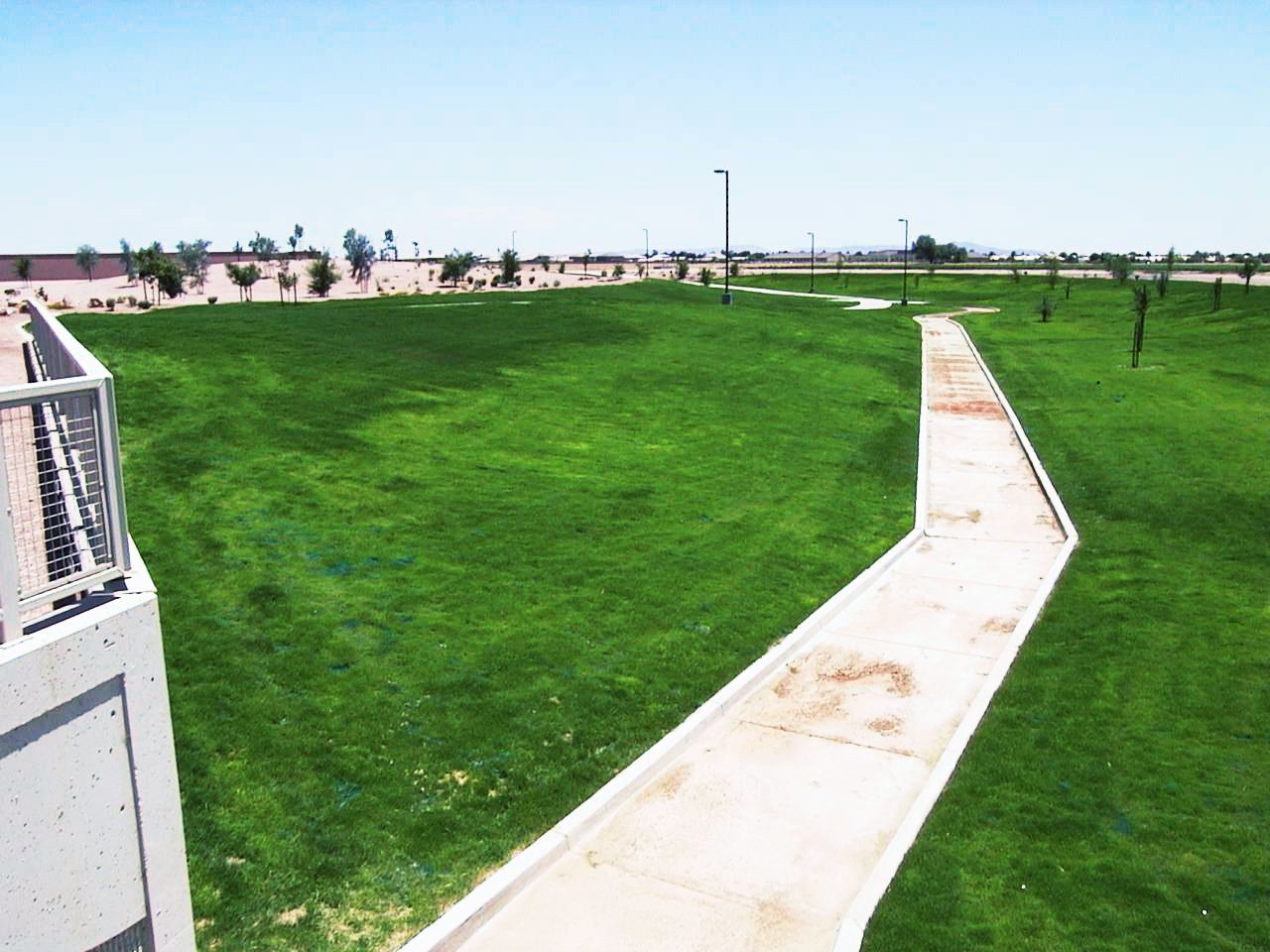
Sign #1: An Area Has Reached Final Grade
Final grading is one of the clearest signals that the erosion control strategy should begin changing. If an area is no longer expected to experience significant disturbance, leaving the soil exposed unnecessarily increases erosion risk.
This is the point where permanent stabilization should become a priority.
Depending on the slope, soil, expected runoff, vegetation requirements, and final use of the area, permanent erosion control solutions may include vegetation, rolled erosion control products (RECPs), turf reinforcement mats (TRMs), geotextiles, or other stabilization systems.
The goal is no longer simply to capture sediment generated by construction. It’s to reduce the amount of sediment being generated in the first place.
Sign #2: Drainage Patterns Are Becoming Permanent
During active construction, water may travel across a site very differently than it will after completion. Temporary roads, stockpiles, excavation, grading, and equipment traffic can all alter runoff.
As final grades, swales, channels, storm drains, culverts, and outlets are installed, however, the site’s long-term drainage patterns begin taking shape.
That’s an important transition point.
Contractors and designers can begin evaluating erosion control based on where water will travel on the finished site, not simply where construction activity is directing it today.
Areas experiencing sheet flow may have different stabilization requirements than channels, slopes, or other areas where runoff becomes concentrated.
Vegetation may provide sufficient permanent erosion control in some locations. Areas exposed to greater hydraulic forces may require more robust solutions, such as turf reinforcement mats or other engineered stabilization systems.
Permanent erosion control should be designed around the finished site’s actual conditions.
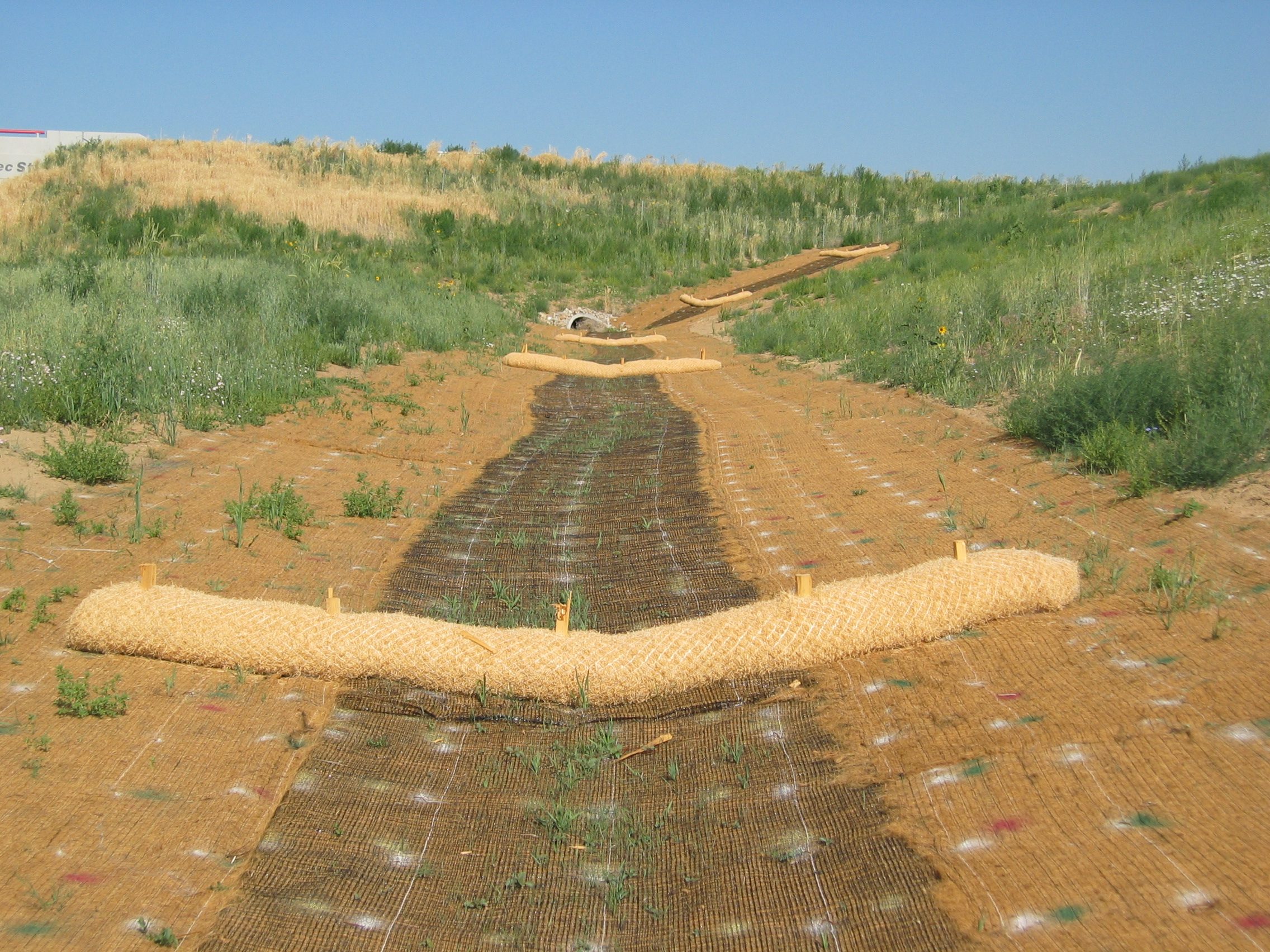
Sign #3: Slopes Have Reached Their Final Configuration
Slopes deserve particular attention during the transition to permanent stabilization.
During construction, a slope may be graded multiple times. Installing a permanent system too early could mean damaging or removing it when equipment returns.
But once a slope reaches its final configuration, waiting too long to stabilize it creates another problem.
Exposed slopes are vulnerable to raindrop impact, surface runoff, rilling, gullying, and progressive soil loss. Sediment controls installed downslope may capture some of that material, but they don’t address the source of the problem.
Once final grading is complete, the focus should shift toward keeping that soil in place.
Depending on site conditions, MKB’s slope stabilization solutions can include rolled erosion control products, turf reinforcement mats, geotextiles, and vegetated systems designed to protect the soil surface and support long-term performance.
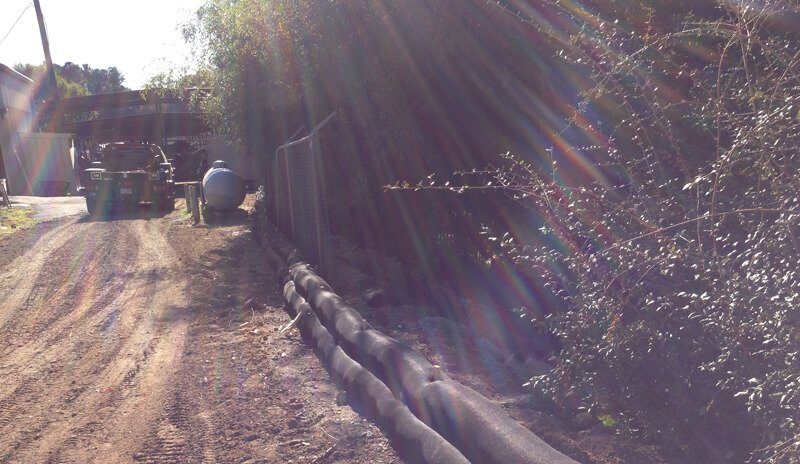
Sign #4: Vegetation Is Being Asked to Take Over
Vegetation often plays a central role in permanent erosion control, but there’s an important difference between putting seed down and having a stabilized site.
New vegetation needs time to germinate, establish roots, and develop sufficient coverage to protect soil against rainfall and runoff. That period between seeding and establishment can leave a site vulnerable.
Rolled erosion control products can help protect the soil surface while supporting vegetation establishment. In areas subject to greater hydraulic stresses, turf reinforcement mats can integrate with vegetation to provide additional long-term reinforcement.
Temporary sediment controls may still be needed during this establishment period.
That’s why contractors shouldn’t confuse planted with stabilized.
The transition isn’t complete simply because permanent stabilization has been installed. It needs to be functioning as intended.

Sign #5: Sediment Controls Are Treating a Problem That Should Be Prevented
Sediment control is a critical component of active construction.
But as a site approaches its finished condition, continued sediment accumulation can signal a larger problem.
Consider a completed slope with a sediment control BMP installed at the bottom.
If significant amounts of soil continue collecting behind that BMP after construction disturbance has ended, repeatedly removing the sediment doesn’t solve the underlying issue.
The better question is: Why is the finished slope continuing to erode?
The long-term solution may involve improving vegetation, reinforcing the soil surface, addressing concentrated runoff, stabilizing a channel, or selecting a more appropriate slope stabilization system.
Again, sediment controls are designed to capture soil that moves; permanent erosion control should reduce how much soil moves in the first place.
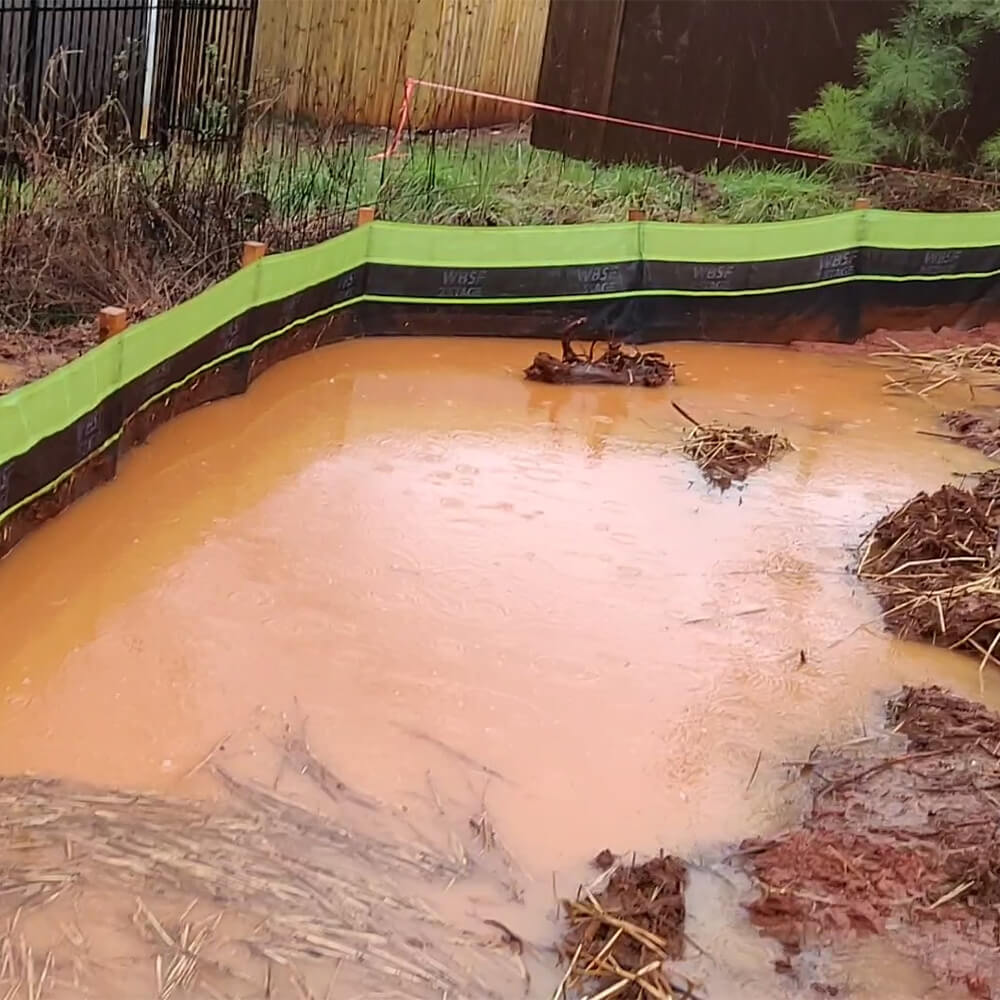
Don't Remove Sediment Controls Just Because Stabilization Has Started
Transitioning toward permanent stabilization doesn’t mean temporary sediment controls should immediately disappear.
New vegetation needs time to establish. Recently installed erosion control materials need to perform under actual site conditions. Active construction elsewhere on the property may continue generating sediment.
Removing perimeter controls, inlet protection, or other sediment BMPs too early can create a gap in protection.
For a period of time, both systems may be necessary.
Permanent erosion control works to stabilize completed areas, while temporary sediment controls continue providing protection while stabilization establishes and construction continues nearby.
BMP removal should therefore be based on site conditions and applicable project and regulatory requirements, not simply the fact that permanent measures have been installed.
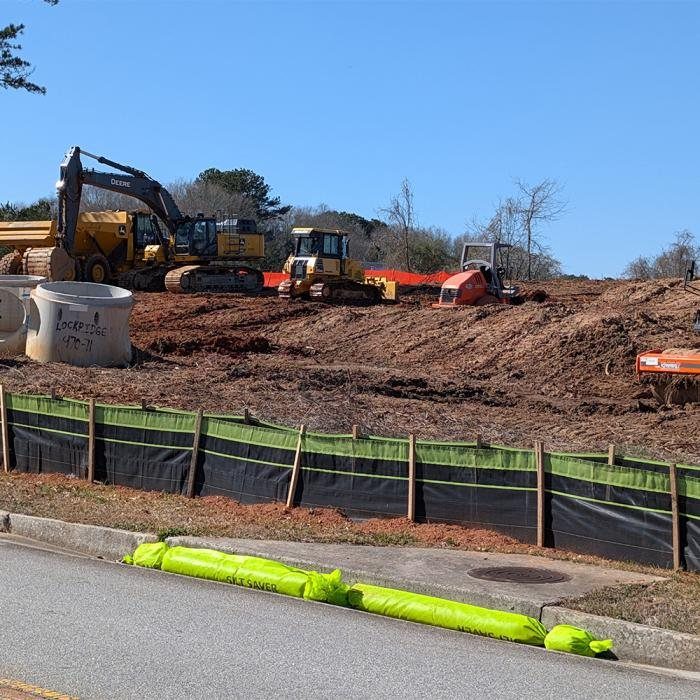
Think in Zones Instead of Waiting for Project Closeout
One of the most effective ways to manage this transition is to stop treating the entire construction site as though it’s in the same phase.
Think in zones.
One area may still be undergoing mass grading and require extensive temporary erosion and sediment controls.
Another may have reached final grade and be ready for permanent stabilization.
A completed drainage channel may already require its permanent erosion control system.
Meanwhile, a stabilized portion of the site may still need sediment protection because active construction continues upstream.
Each area has a different risk profile.
Progressively stabilizing completed areas can reduce the amount of exposed soil on the site rather than waiting until the entire project approaches closeout.
It also moves the erosion control strategy closer to its ultimate objective: preventing erosion rather than continually managing its consequences.
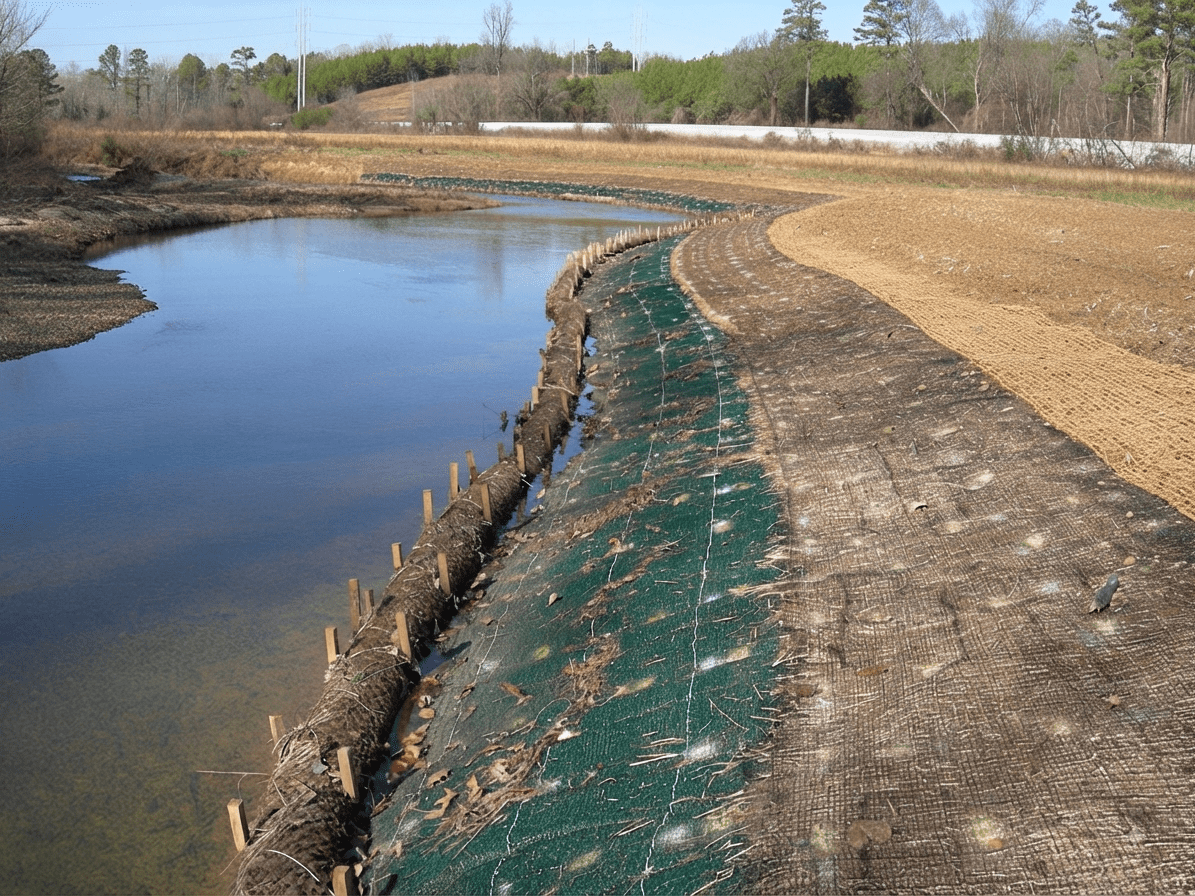
Build Permanent Stabilization Into the Construction Process
The best time to think about permanent erosion control isn’t when someone decides it’s time to remove the temporary BMPs.
It should be considered throughout construction.
As the project progresses, contractors, engineers, inspectors, and site managers should continually ask:
- Which areas have reached final grade?
- Which areas will no longer be disturbed?
- Where have permanent drainage patterns been established?
- Which slopes or channels require long-term stabilization?
- Is vegetation actually established or simply planted?
- Where is sediment still being generated?
- What is causing that sediment movement?
- Which temporary sediment controls are still protecting active construction?
- Are permanent erosion control systems performing as intended?
These questions help turn permanent stabilization from a closeout task into an ongoing part of site management.

Move From Capturing Sediment to Keeping Soil in Place
Temporary erosion and sediment controls are essential during construction because construction itself creates disturbance.
But those temporary measures aren’t the end goal.
As areas reach final grade and the site’s permanent drainage patterns take shape, the emphasis should increasingly shift toward long-term erosion prevention and slope stabilization.
That doesn’t mean sediment control suddenly becomes unnecessary. Temporary sediment BMPs may continue protecting the site while vegetation establishes and construction progresses elsewhere.
The transition should be deliberate.
Capture sediment when soil moves. Stabilize the site so less soil moves in the first place.
MKB provides solutions for both sides of that strategy, from sediment control products that help manage active construction sites, to erosion control and slope stabilization systems designed for long-term performance.
Contact MKB to find the right erosion and sediment control solutions for every stage of your project, from initial disturbance through permanent stabilization.