

Summer is peak construction season across much of the country, but it is also one of the most demanding times of year for erosion control and stormwater management.
As temperatures rise, projects accelerate, crews move faster, and storm activity becomes more intense and unpredictable. Sudden downpours, saturated soils, flash flooding, and high-velocity runoff can quickly overwhelm erosion and sediment control systems that appeared stable earlier in the year.
For construction sites, utilities, municipalities, DOT projects, and industrial facilities, summer storm season is often when weaknesses in stormwater management plans become visible — and when emergency erosion control measures become critical.
And when failures happen, they rarely happen slowly.
A single major storm event can damage slopes, wash out perimeter controls, overwhelm inlet protection systems, transport sediment offsite, and create compliance risks that impact schedules, budgets, inspections, and environmental performance.
That’s why emergency response planning has become an increasingly important part of modern stormwater management strategies.
Register for a Virtual Lunch & Learn Session
Deepen your understanding of green infrastructure and explore the latest trends and innovations in the field. During this session industry experts will share valuable insights, practical tips, and real-world case studies.
Earn 1 PDH Credit.
Summer Storms Put BMPs Under Real-World Pressure
Many BMPs are installed during spring mobilization under relatively controlled conditions. But by mid-summer, those same systems may already be under significant stress from repeated rainfall events, sediment accumulation, hydraulic loading, construction traffic, UV exposure, and changing drainage patterns.
A perimeter control that performed adequately during early construction phases may no longer provide sufficient protection after weeks or months of exposure to active site conditions.
This is especially true on:
- Steep slopes
- Linear utility projects
- Large disturbed acreage
- Areas with concentrated flow
- Sites near sensitive waterways
- High-traffic construction corridors
When storm events arrive faster than systems can adapt, emergency erosion and sediment control measures become essential.
Emergency Response Requires Speed and Flexibility
In stormwater management, response time matters.
Emergency erosion and sediment control solutions are designed to help crews stabilize vulnerable areas quickly before minor issues escalate into major failures. In many situations, contractors do not have time for extensive excavation, trenching, or complex installations once severe weather conditions develop.
That’s why rapidly deployable BMPs play such an important role during emergency response situations.
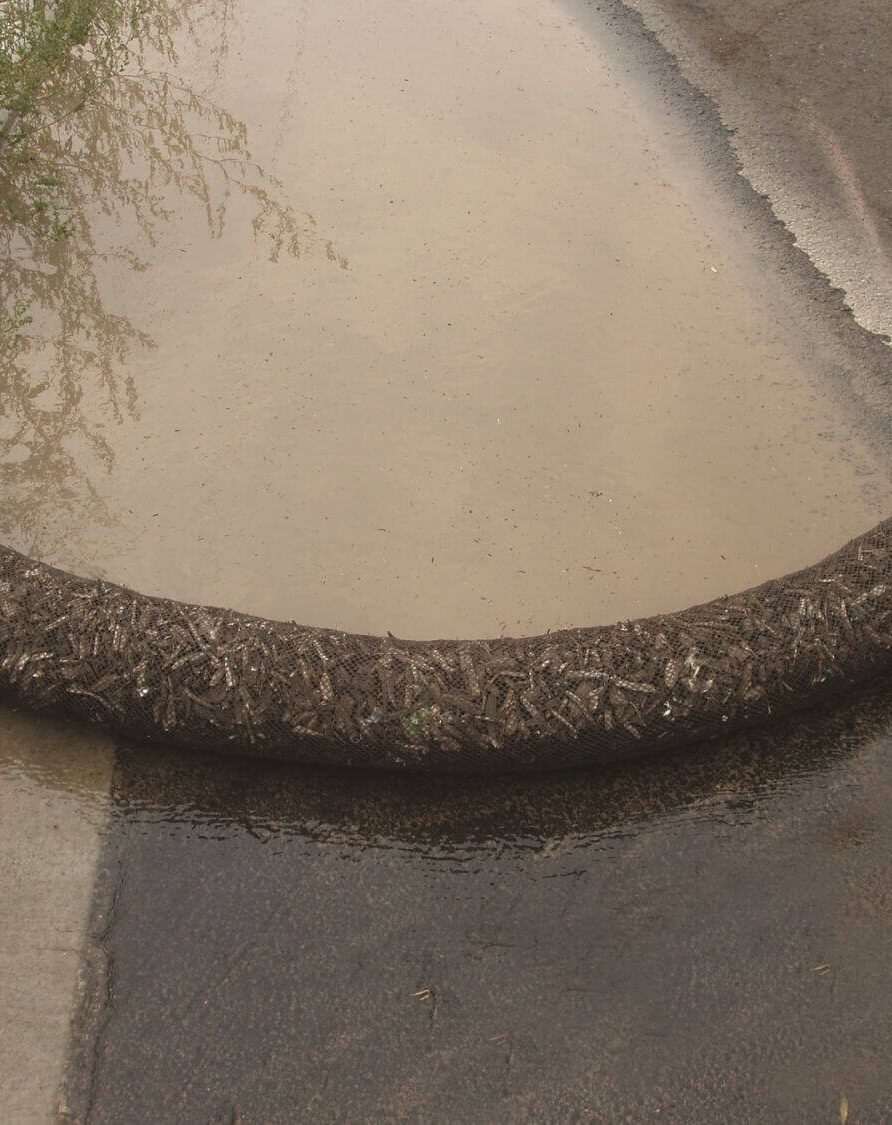
Products like compost filter socks, diversion berms, erosion control blankets, and inlet protection systems can often be installed quickly with minimal site disruption while still delivering meaningful sediment control and runoff management benefits.
These emergency stormwater management solutions are especially valuable when:
- Heavy rain is forecasted with limited preparation time
- Slopes begin showing signs of erosion or instability
- Existing BMPs become overloaded
- Sediment threatens nearby storm drains or waterways
- Flooding impacts active work zones
- Access for heavy equipment is limited
- Immediate stabilization is required for compliance
In emergency conditions, simplicity, adaptability, and deployment speed can become just as important as long-term performance.
Layered BMP Systems Often Perform Best During Extreme Weather
One of the most common causes of stormwater management failure is relying too heavily on a single BMP to handle every condition.
Summer storm events expose the limitations of isolated approaches.
High-performing erosion and sediment control strategies typically combine multiple systems working together across the site, including:
- Slope stabilization
- Perimeter sediment control
- Flow diversion
- Inlet protection
- Stormwater filtration
- Temporary stabilization
- Reinforced channels and conveyances
Layered BMP systems help distribute hydraulic pressure, reduce concentrated flow, interrupt runoff velocity, and improve overall resiliency during severe weather events.
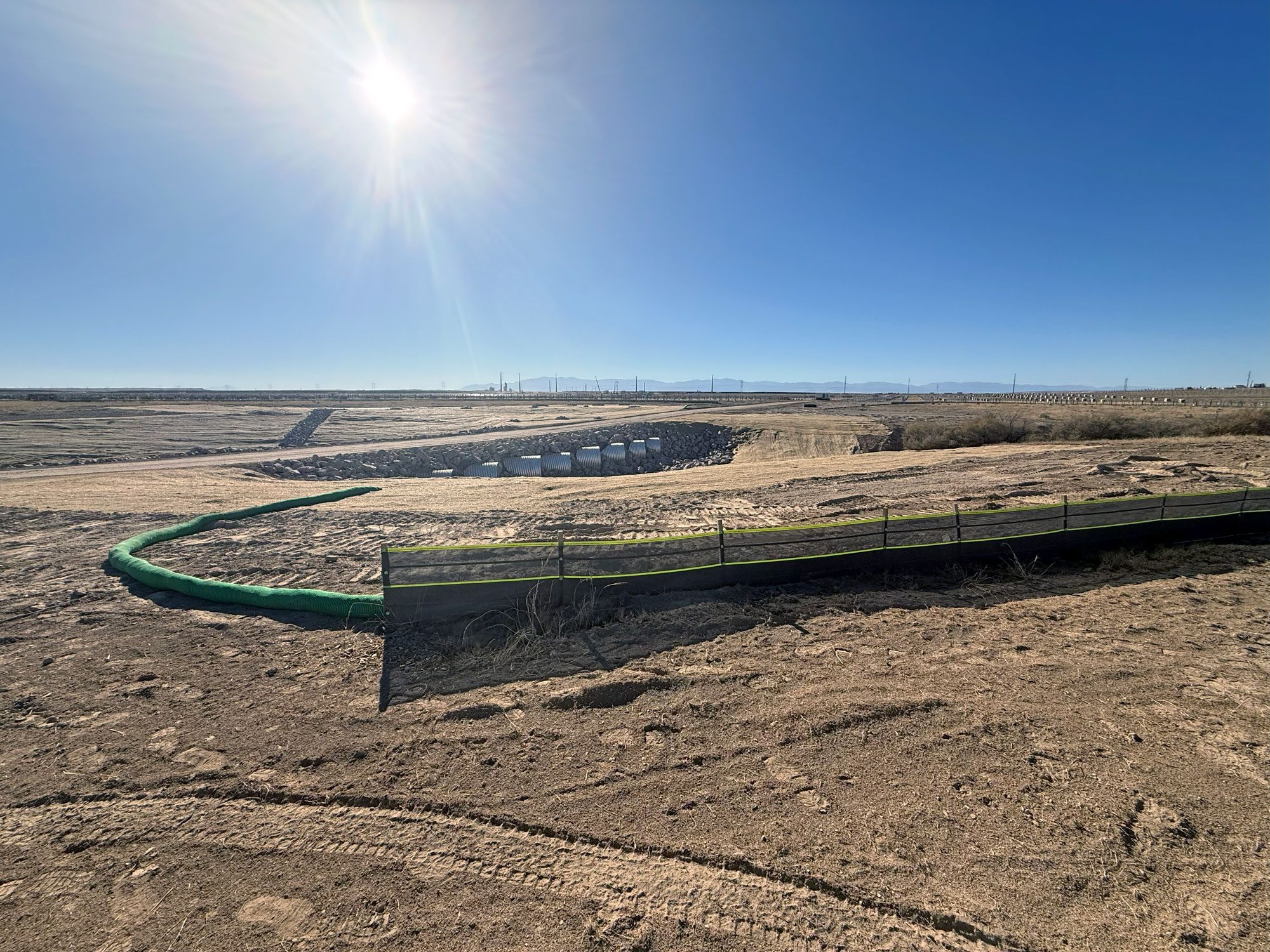
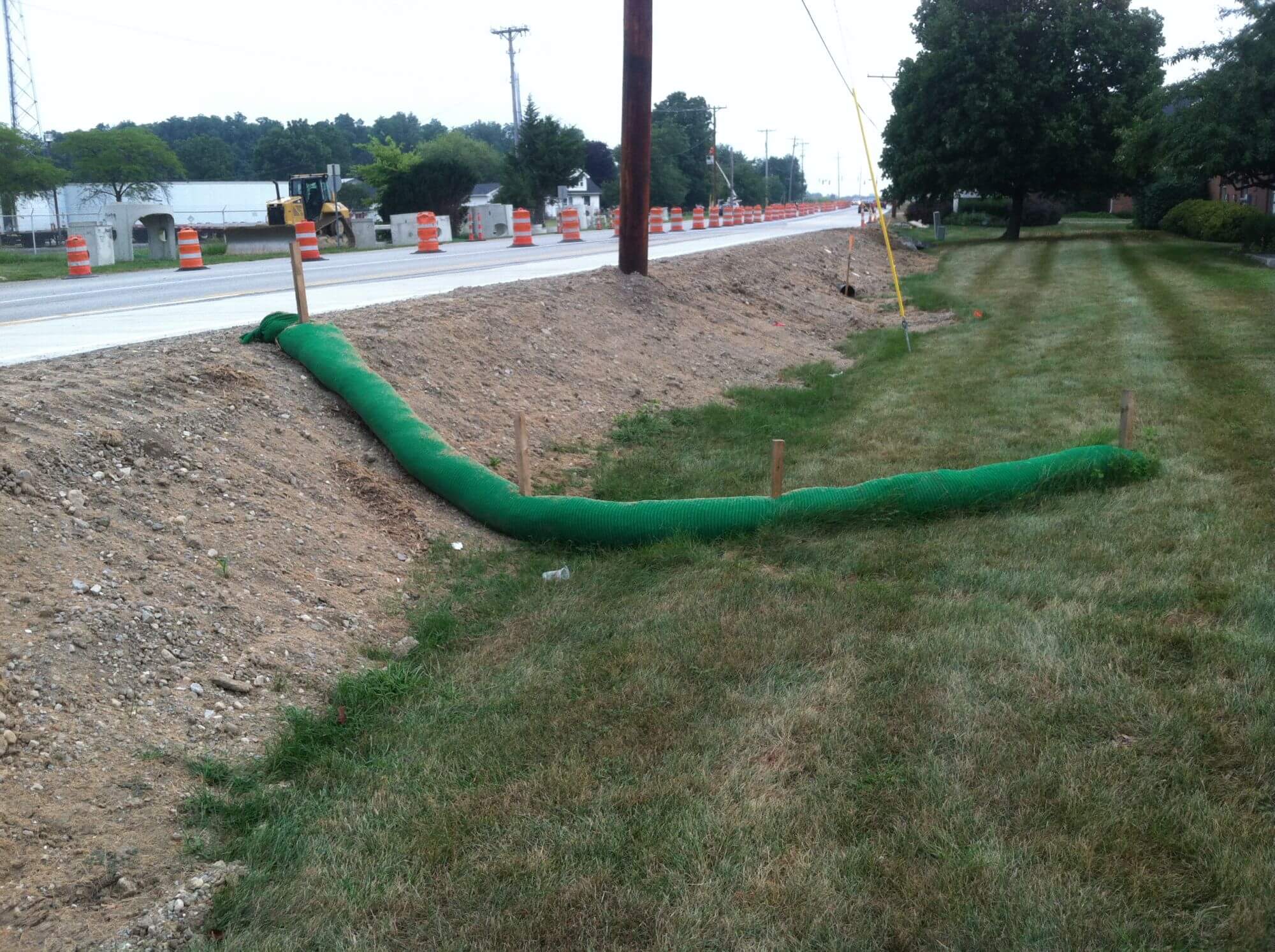
For example, compost filter socks can help slow runoff and capture sediment at the perimeter while erosion control blankets stabilize exposed slopes and inlet protection systems help reduce downstream sediment transport. Turf reinforcement mats may provide additional protection in areas experiencing concentrated flow or recurring hydraulic stress.
The goal is not simply to react after failure occurs, but to create stormwater management systems capable of adapting to changing site conditions throughout the construction season.
Real-World Stormwater Management Requires Adaptability
Stormwater management plans are developed long before crews experience actual site conditions.
But real jobsites evolve constantly.
Schedules shift. Weather patterns change. Grading alters runoff flow paths. Sediment accumulates. Access points move. Hydraulic conditions intensify.
The most successful erosion control and sediment control strategies are the ones flexible enough to adapt throughout the life of the project.
That adaptability becomes even more important during summer storm season when rapidly changing weather conditions can expose vulnerabilities quickly and leave little room for delayed response.
When Conditions Change Fast, Response Time Matters
Emergency erosion and sediment control situations rarely happen on a convenient schedule.
Whether it’s a major storm event, slope failure, flooding concern, damaged perimeter control, or unexpected runoff issue, rapid response can make the difference between a manageable field adjustment and a costly compliance problem.
That’s why MKB works with contractors, municipalities, utilities, and site managers to help identify practical emergency response solutions for changing field conditions. From rapid-deployment BMPs and stormwater filtration systems to temporary stabilization products and erosion control materials, our team can help recommend solutions designed to reduce environmental impact and restore control quickly.
When summer storms expose vulnerabilities on active jobsites, having access to experienced support and readily deployable products becomes critical.
If your site is facing erosion, sediment, flooding, or stormwater management challenges, contact MKB to discuss emergency response solutions tailored to your project conditions.