

On construction sites, roadside projects, and landscaping jobs, erosion control is a top priority. Soil loss from wind, water, and runoff doesn’t just threaten the success of a project, it can also lead to costly environmental fines and regulatory setbacks. To keep sediment in place and protect waterways, contractors and land managers rely on a range of erosion control methods.
Among the most common solutions is straw matting, but it’s not the only option. Coir mats, synthetic erosion control blankets, and hydroseeding all offer different benefits depending on site conditions. So, which solution is right for your project? Let’s break down how straw matting compares to these alternatives in terms of performance, durability, cost, and applications.
Register for a Virtual Lunch & Learn Session
Deepen your understanding of inlet protection and explore the latest trends and innovations in the field. During this session industry experts will share valuable insights, practical tips, and real-world case studies.
Earn 1 PDH Credit.
What Is Straw Matting Erosion Control?
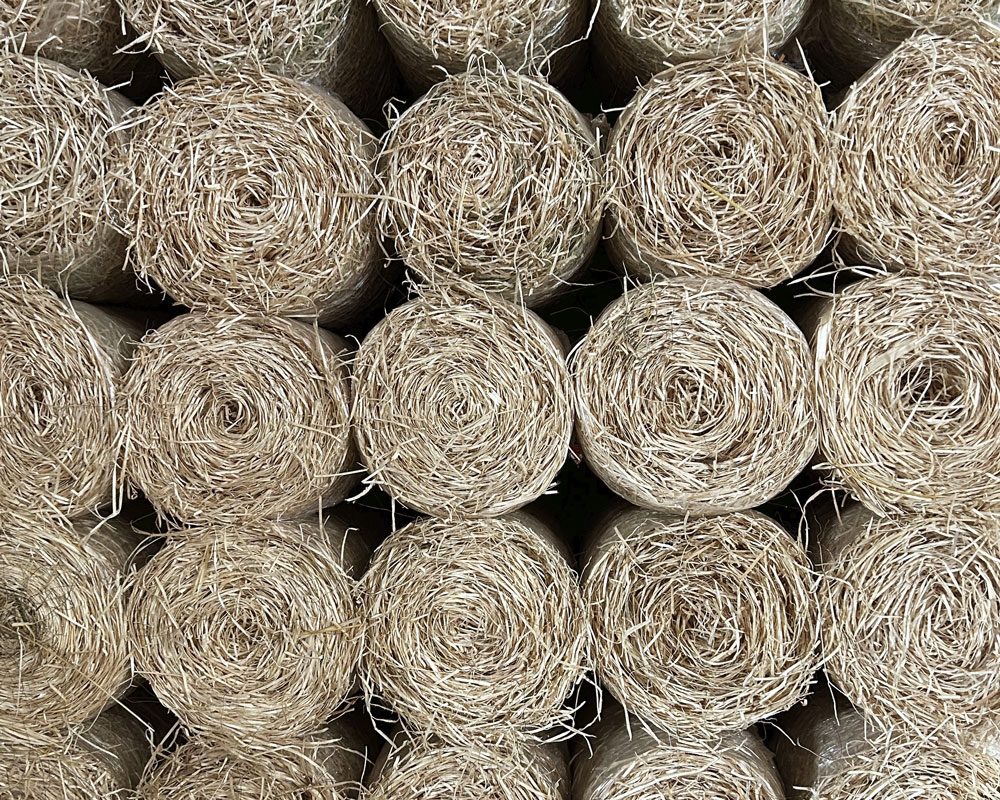
Straw matting, also called straw blankets or straw erosion control mats, is made from agricultural straw fibers stitched between netting (can be biodegradable in certain configurations). When placed over bare soil, it helps stabilize slopes, prevent washouts, and create the right conditions for vegetation to grow.
Here’s how straw matting works:
- Soil stabilization: Holds soil particles in place, preventing erosion caused by rain and runoff.
- Moisture retention: Keeps soil damp, improving seed germination rates.
- Vegetation establishment: Protects seedbeds until plants are strong enough to anchor the soil.
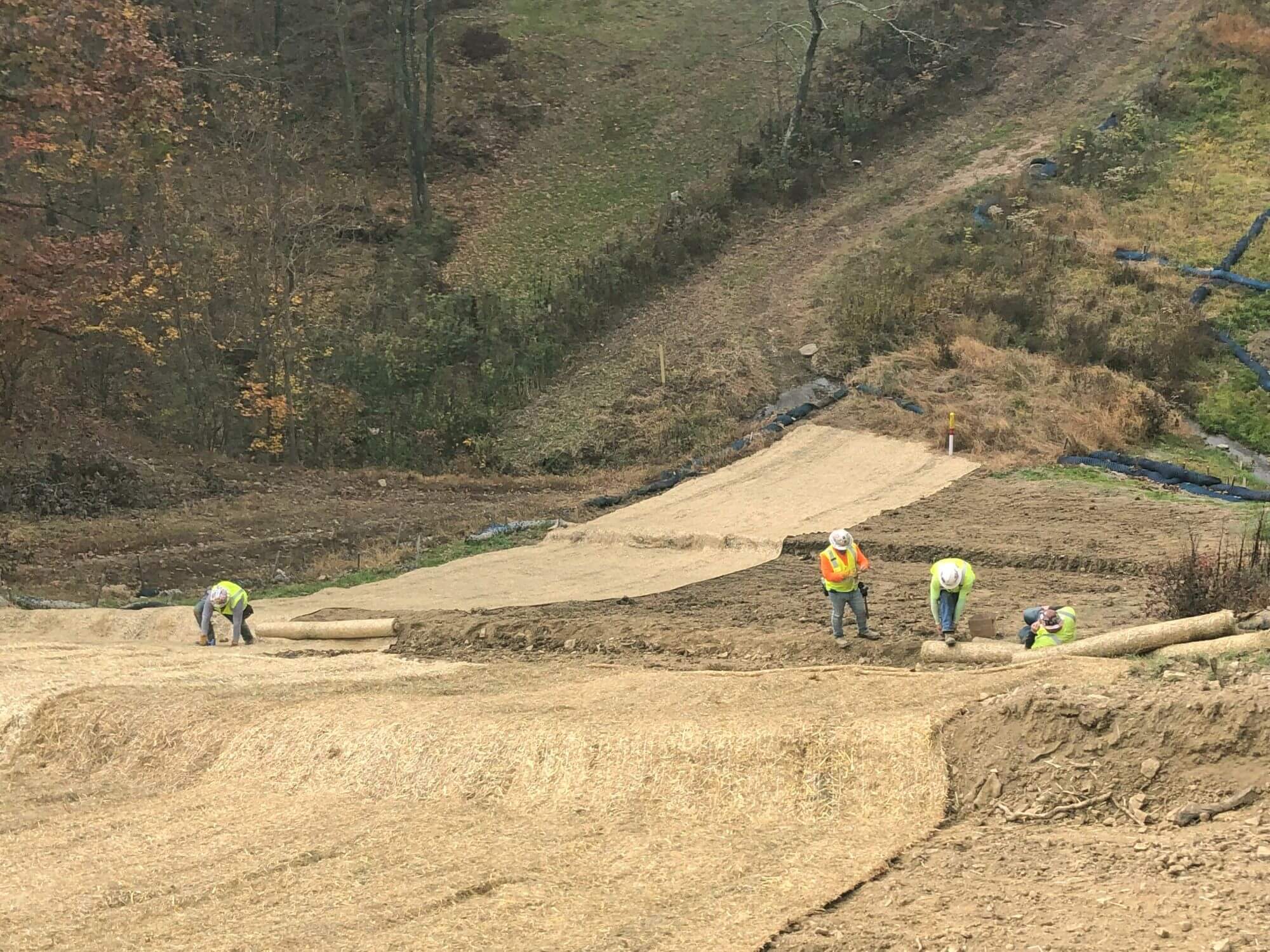
Typical applications include roadside embankments, residential lawns, streambanks, utility installations, and land reclamation projects. Because straw matting degrades within 6–12 months, it’s ideal for projects where temporary stabilization is needed until vegetation takes over.
Straw Matting vs. Coir Matting
Coir matting, made from coconut husk fibers, is another popular material. While both straw and coir provide natural erosion control, their lifespans and strength differ.
- Straw Matting
- Lifespan: 6–12 months.
- Strength: Suitable for gentle slopes and moderate runoff.
- Best use: Short-term stabilization and seed establishment.
- Coir Matting
- Lifespan: Up to 1.5 years.
- Strength: Much stronger, handles steeper slopes and heavy water flow.
- Best use: Long-term stabilization, wetlands, waterways, and areas where vegetation takes longer to establish.
Key takeaway: Straw matting is cost-effective and reliable for short-term needs, while coir matting offers greater durability in high-stress environments.
Straw Matting vs. Synthetic Erosion Control Mats
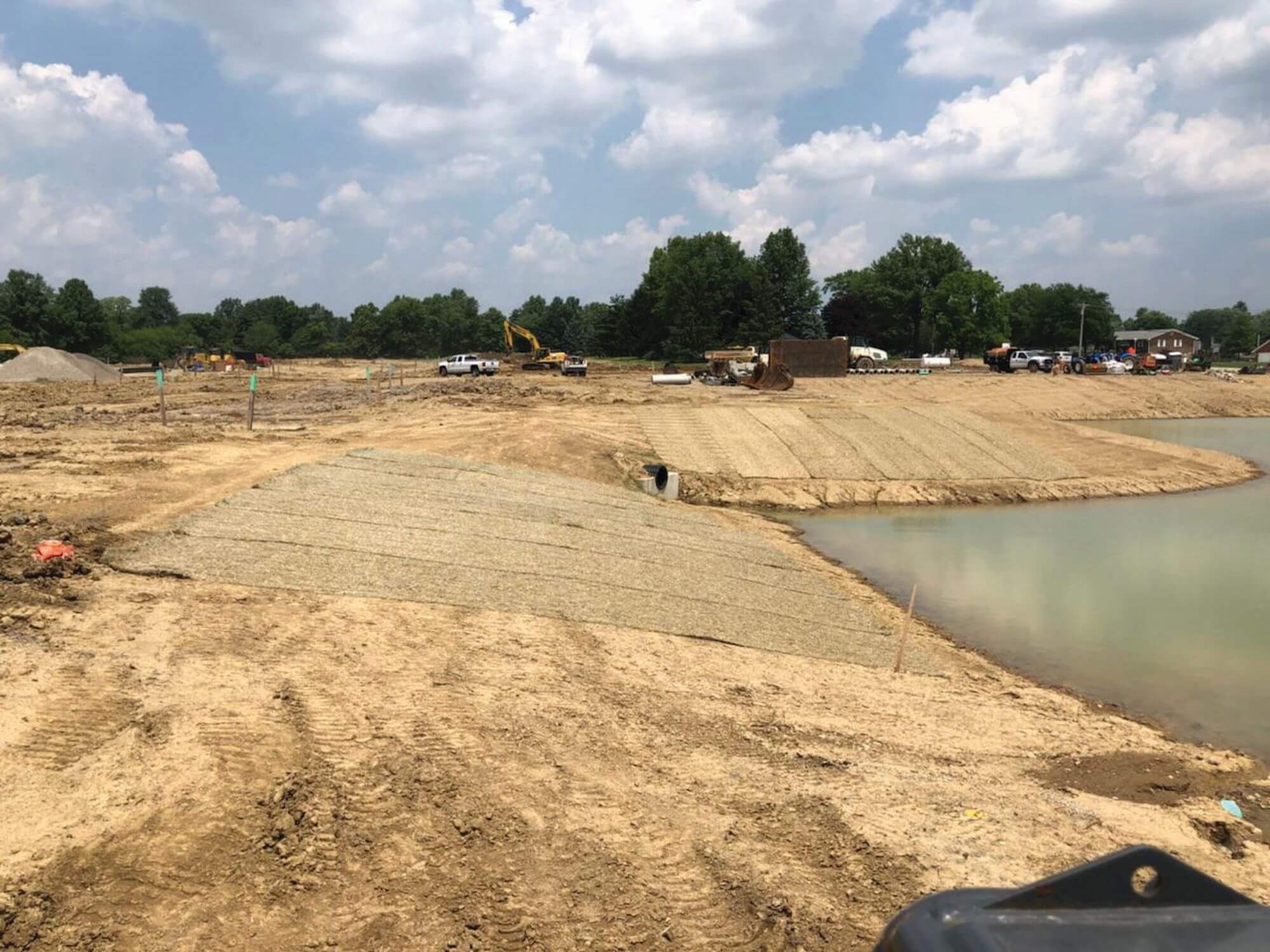
Synthetic mats, often made from polypropylene or other plastics, are designed for heavy-duty, long-term erosion control. They don’t biodegrade, which makes them durable but less environmentally friendly.
- Straw Matting
- Natural and biodegradable, improves soil structure as it decomposes.
- Limited lifespan, requiring replacement if vegetation doesn’t establish quickly.
- Often preferred for eco-sensitive areas where sustainability matters.
- Synthetic Mats
- Extremely durable, lasting several years or more.
- Provide permanent reinforcement but contribute no organic matter to the soil.
- May not meet environmental requirements in certain projects due to plastic components.
Key takeaway: Straw matting is sustainable and cost-efficient, while synthetic mats are chosen for extreme conditions requiring long-term or permanent reinforcement.
Straw Matting vs. Hydroseeding
Hydroseeding is a process where a slurry of seed, mulch, fertilizer, and tackifier is sprayed over large areas to promote vegetation growth. It’s efficient for covering wide acreage quickly but doesn’t provide the same immediate physical barrier as straw matting, and is labor intensive in terms of the time commitment to water.
- Straw Matting
-
- Provides erosion control from day one.
- Holds soil and moisture in place, creating a protective cover.
- Slower to install over large areas compared to hydroseeding.
- Hydroseeding
- Covers large areas rapidly with uniform seed distribution.
- Relies on vegetation growth for erosion control, so soil remains exposed until plants establish.
- Often used alongside straw matting for added protection.
Key takeaway: Straw matting offers instant erosion protection, while hydroseeding delivers fast vegetation coverage but requires time and consistent watering before becoming fully effective. Many contractors use the two methods together for best results.
Cost Comparison Across Methods
When choosing an erosion control solution, upfront costs matter — but so do long-term savings from reduced maintenance and compliance issues.
- Straw Matting: Lowest upfront cost. Provides reliable short-term protection, making it a strong ROI choice for small to mid-sized projects.
- Coir Matting: Higher initial cost but longer lifespan. Reduces replacement needs, saving money on long-term projects.
- Synthetic Mats: Highest upfront cost. Reserved for specialized projects where long-term durability outweighs sustainability.
- Hydroseeding: Cost-efficient for covering large areas. May require supplemental measures (like straw matting) to ensure compliance until vegetation grows. Also requires a commitment to water consistently.
Which Erosion Control Solution Is Right for Your Site?
Choosing the best erosion control method depends on several factors:
- Project Duration
- Short-term: Straw matting is cost-effective and reliable.
- Long-term: Coir or synthetic mats offer extended protection.
- Site Conditions
- Gentle slopes with moderate runoff: Straw matting is sufficient.
- Steeper slopes or waterways: Coir matting is a better fit.
- Extreme conditions or permanent structures: Synthetic mats provide unmatched durability.
- Environmental Priorities
- Eco-sensitive projects: Straw or coir matting provides biodegradability and soil enrichment.
- Less sensitive projects: Synthetic mats may be acceptable.
- Budget
- Limited budget: Straw matting provides the best value.
- Larger budgets: Coir or hybrid methods (hydroseeding + straw) balance durability and coverage.
Often, the best solution is a hybrid approach, for example, combining hydroseeding for quick vegetation with straw matting for immediate erosion control.
Conclusion: Why Straw Matting Still Leads
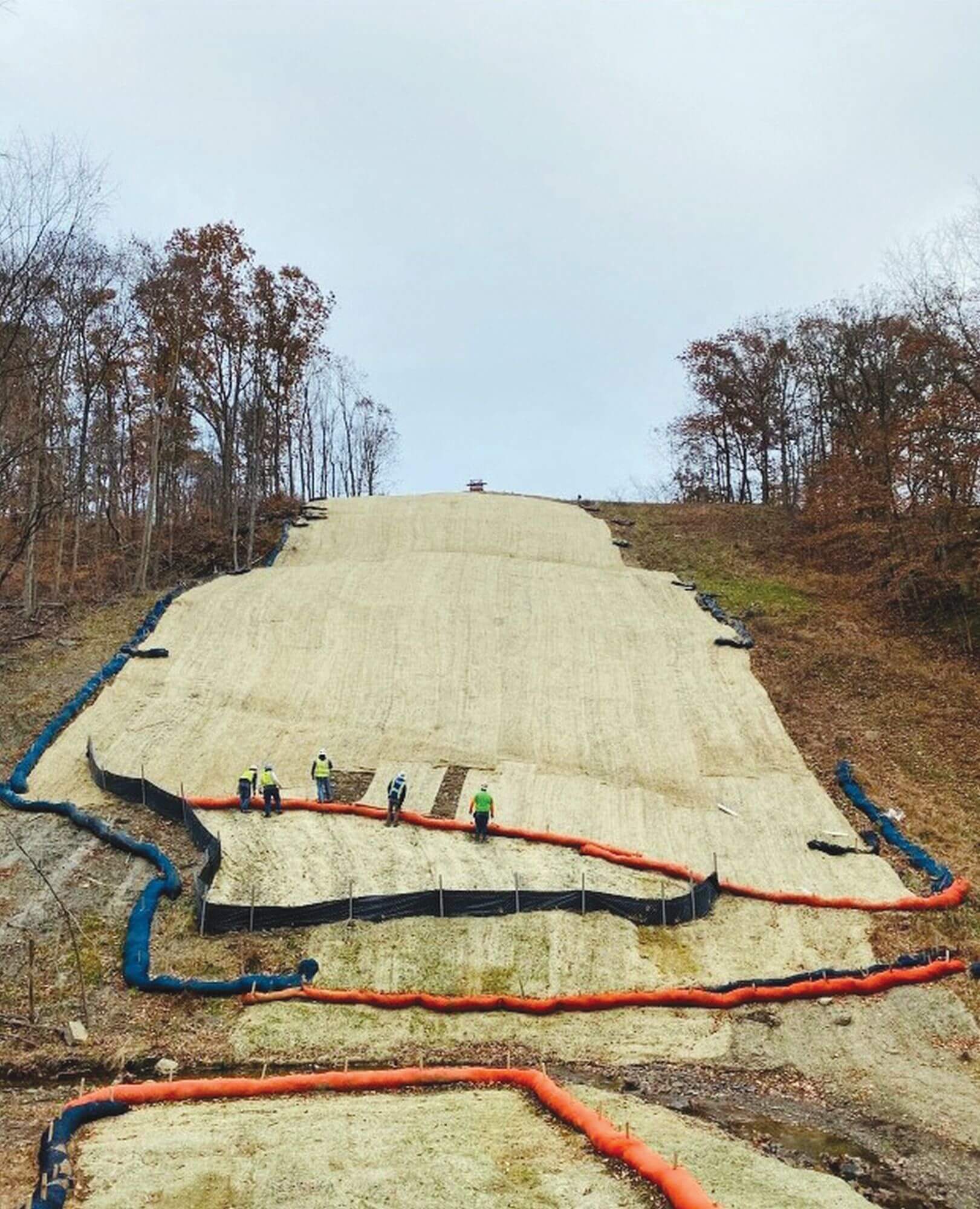
Straw matting remains one of the most trusted erosion control solutions in the industry. It’s affordable, biodegradable, easy to install, and effective at stabilizing soil while supporting vegetation growth. But depending on your site’s conditions, alternatives like coir matting, synthetic mats, or hydroseeding may provide advantages.
For short-term stabilization and cost efficiency, straw matting is hard to beat. For long-term durability, coir or synthetic mats may be worth the investment. And for large-scale coverage, hydroseeding can be a valuable tool — especially when combined with straw matting.
MKB provides a full range of straw-based erosion control products designed for reliable performance in 2025 and beyond. Whether you’re stabilizing a slope, protecting waterways, or restoring vegetation, we’ll help you select the right solution for your project. Contact us today for a quote.