

On most construction sites, sediment gets the attention. It’s visible. It’s measurable. And it’s often the first thing inspectors look for. But sediment isn’t the only concern moving through runoff. In many cases, it’s just the carrier.
As stormwater flows across an active site, it can pick up a range of less visible pollutants and materials that are harder to detect but just as important to control. And in 2026, there’s growing awareness around how these pollutants move, where they come from, and how they’re managed before leaving the site.
Register for a Virtual Lunch & Learn Session
Deepen your understanding of green infrastructure and explore the latest trends and innovations in the field. During this session industry experts will share valuable insights, practical tips, and real-world case studies.
Earn 1 PDH Credit.
What’s Actually in Construction Site Runoff?
When rain hits disturbed soil and active work areas, it doesn’t just carry sediment. It interacts with everything on the surface such as materials, equipment, and exposed ground, picking up additional contaminants along the way.
Commonly observed pollutants in construction runoff can include:
- Fine sediment and suspended solids
Smaller particles that stay suspended longer and travel farther than coarse sediment - Nutrients (nitrogen and phosphorus)
Often associated with organic materials or disturbed soils - Hydrocarbons (oil, fuel, lubricants)
From equipment use, storage areas, and vehicle traffic - Metals
Traces from building materials, coatings, or site activity - Construction-related debris and residues
Concrete washout, adhesives, or other materials depending on the phase of work
Not every site will encounter all of these, but it’s safe to say that most sites deal with more than just sediment.
Why These Pollutants Are Easy to Miss
Unlike sediment, many stormwater pollutants aren’t obvious. There’s no clear visual indicator and no immediate buildup at the perimeter, but that doesn’t mean they’re not moving.
In fact, finer particles and dissolved materials often:
- Travel farther through a site
- Pass through basic sediment controls
- Reach storm drains more easily
Which means a site can appear controlled, while still allowing pollutants to leave.
How Pollutants Move Through a Job Site
Stormwater runoff follows a predictable path:
- Rainfall hits disturbed areas
- Water begins to flow and gain velocity
- Runoff picks up sediment and surface contaminants
- Flow concentrates into channels or low points
- Materials are carried toward perimeter controls and inlets
If controls are only placed at the end of that path, most of the transport has already happened. That’s why upstream management, and filtration, play such a critical role.
Why Sediment Control Alone Isn’t Always Enough
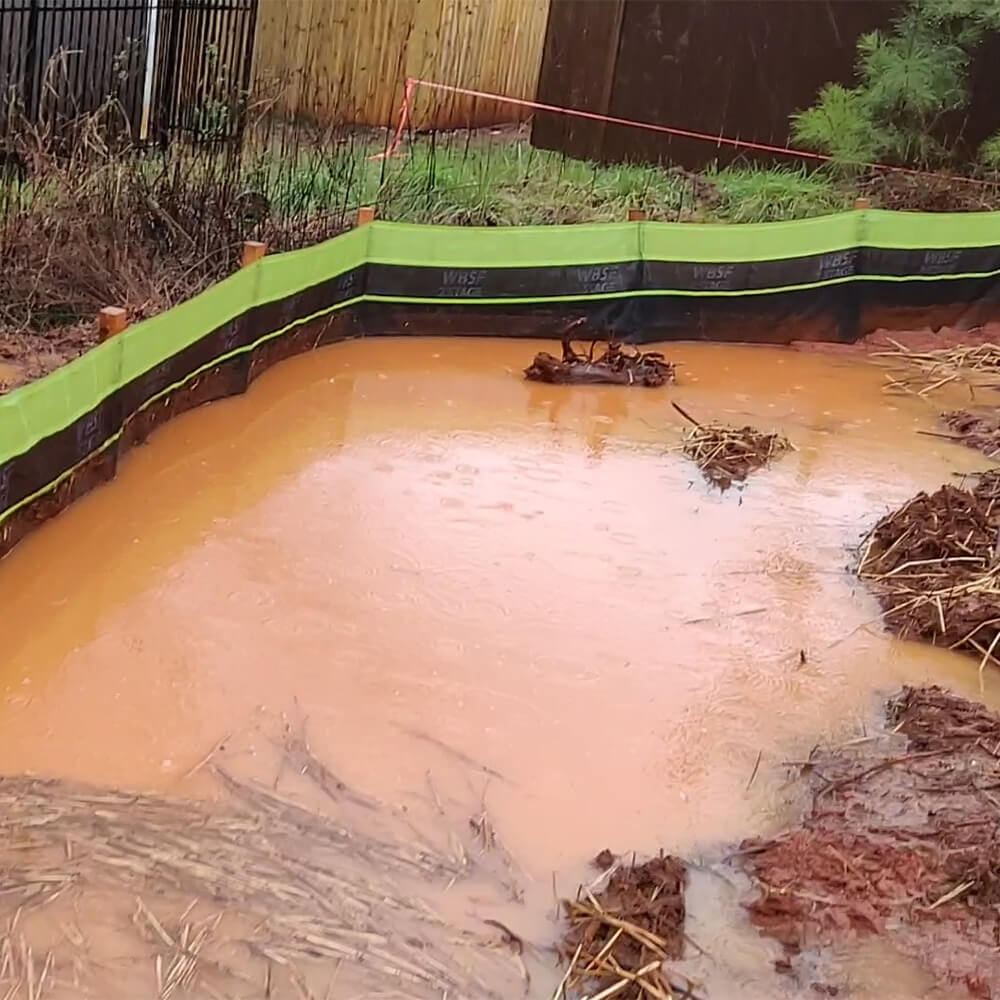
Traditional sediment control focuses on capturing soil particles, and while that’s essential, it doesn’t always address:
- Fine particles that remain suspended
- Dissolved pollutants moving with water
- Oils, nutrients, and other contaminants
This is where many sites begin to fall short, especially during extended projects or repeated storm events.
The takeaway isn’t that sediment control doesn’t matter, it’s that it’s only part of the solution.
Adding Filtration: Controlling What You Can’t See
To better manage both sediment and pollutants, many sites are incorporating filtration systems designed to improve runoff quality, not just contain solids.
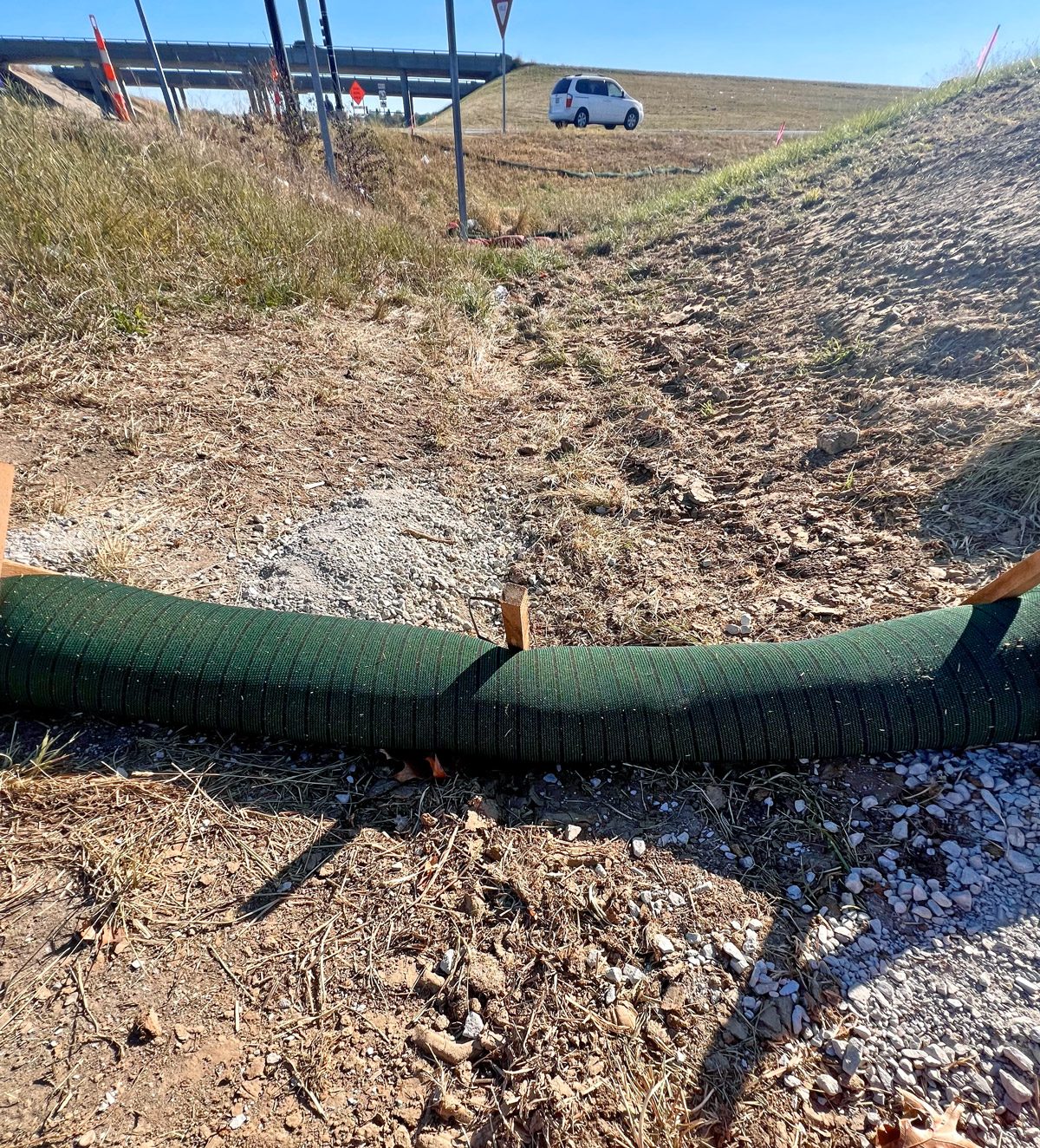
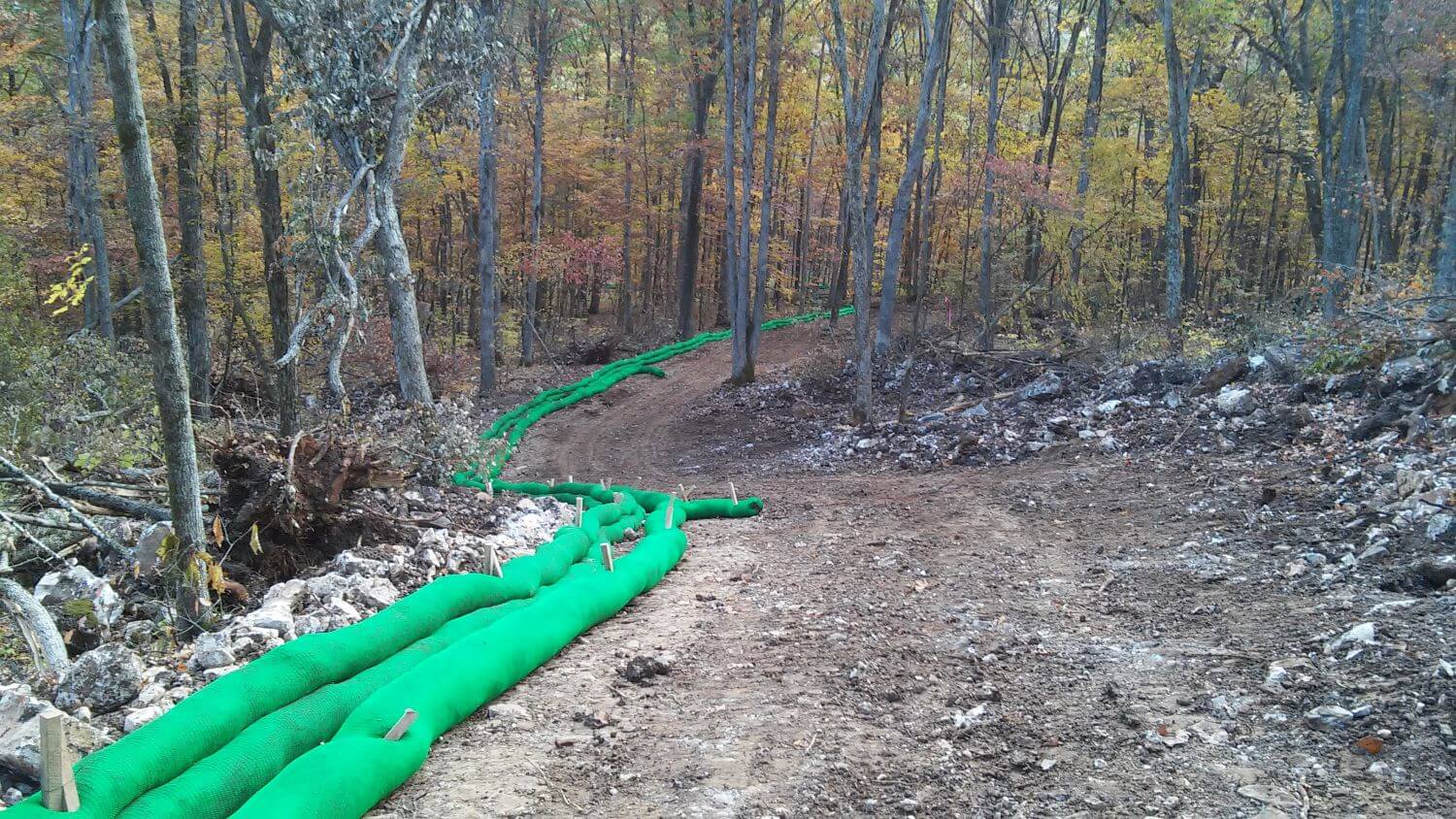
Solutions like EnviroSoxx take a broader approach to stormwater control by targeting multiple pollutant types, not just sediment. As a flexible, passive filtration system, it can be installed across a range of site conditions, including slopes, flow paths, and even paved surfaces where traditional controls are difficult to use.
Available in different filter blends, EnviroSoxx is designed to help address common runoff contaminants such as nutrients, hydrocarbons, metals, bacteria, and sediment. Its adaptability and ease of maintenance make it a practical option for sites looking to improve water quality upstream before runoff concentrates or reaches discharge points.
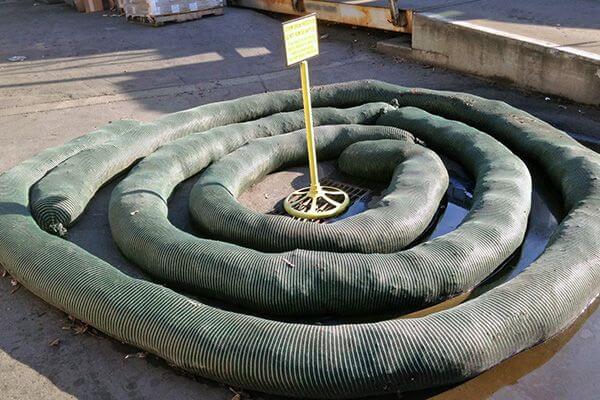
For areas where surface-installed controls aren’t practical, such as paved sites, active roadways, or tight urban environments, StormExx CLEAN provides a more contained solution.
Installed beneath existing storm drain grates, StormExx CLEAN functions as a catch basin filter insert, treating runoff at the point of entry without disrupting surface conditions. Its replaceable cartridge design simplifies maintenance, while its low-profile system allows it to capture sediment, debris, and associated pollutants within the structure.
With built-in bypass capacity to support flow during heavier events, StormExx CLEAN helps manage runoff at a critical control point, especially where upstream placement options are limited.
Together, these types of solutions help:
- Capture finer particles that traditional BMPs may miss
- Reduce turbidity in runoff
- Support the reduction of certain pollutants carried with stormwater
- Improve overall water quality before discharge
A More Complete Approach to Runoff Control
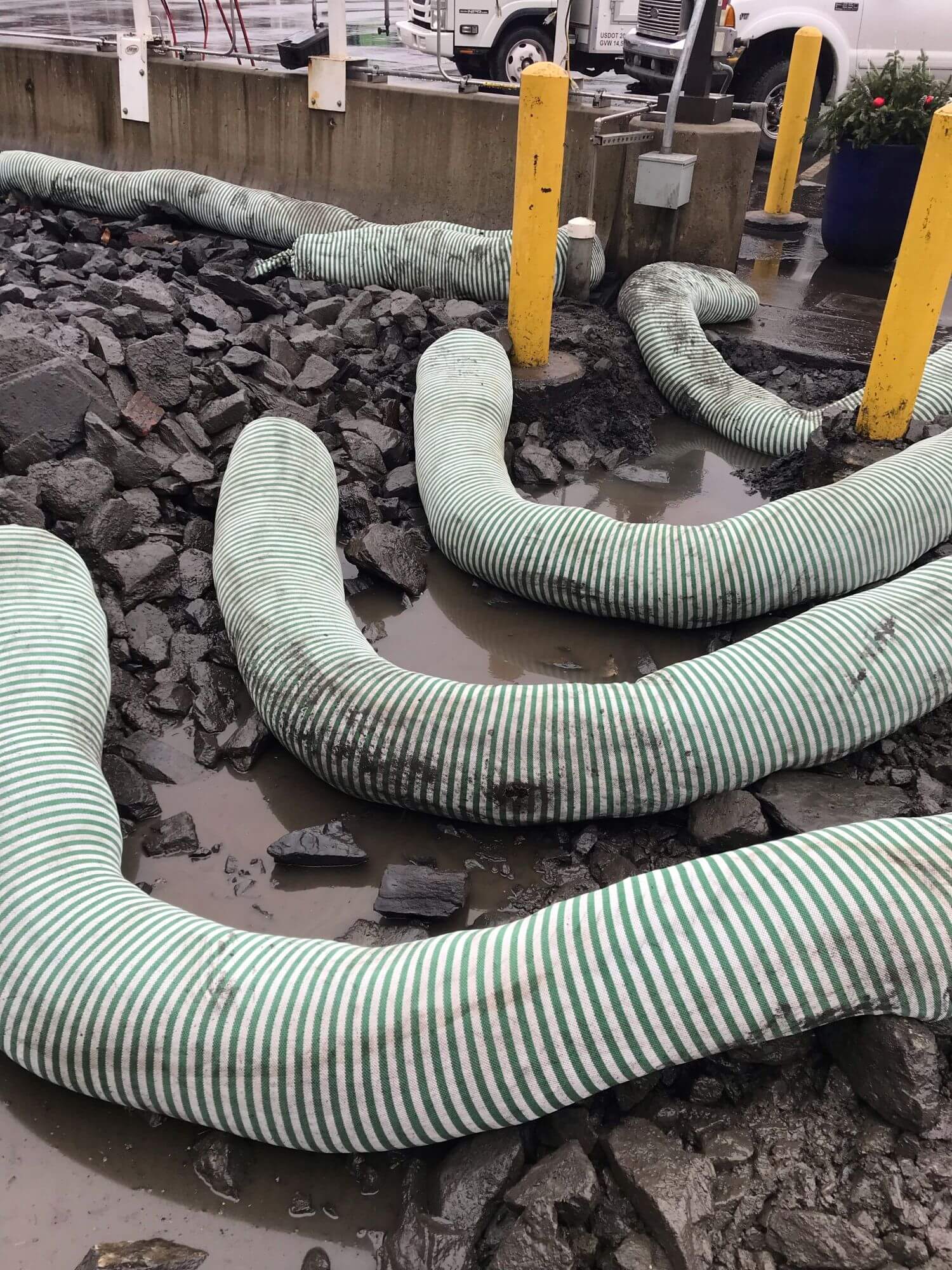
Managing stormwater today means looking beyond visible sediment and considering everything runoff can carry across a site.
High-performing sites are taking a more complete approach by:
- Controlling runoff early to limit how much material is picked up in the first place
- Incorporating filtration, not just containment, to address finer particles and less visible pollutants
- Using multiple control points to treat water as it moves—not just where it exits
- Maintaining systems over time so performance holds through changing conditions
The goal isn’t just to stop what you can see. It’s to improve runoff quality before it leaves the site.
Looking Beyond What’s Visible
Sediment will always be part of the equation, but it’s often just one piece of a larger water quality challenge.
As stormwater expectations continue to evolve, there’s growing focus on how runoff carries a broader mix of materials, including finer particles and other pollutants that aren’t always obvious during a visual inspection. Understanding how those materials move, and where they can be managed more effectively, is becoming an increasingly important part of jobsite performance. If your current approach is focused primarily on visible sediment, there may be opportunities to improve how runoff is managed across your site.
MKB works with contractors, engineers, and developers to take a more comprehensive approach, helping teams think through flow paths, filtration opportunities, and practical strategies that improve water quality from the source to discharge. Contact us today to work with experts who can help you design a practical, site-specific approach to stormwater and pollutant control.