

Halfway through construction season is often when stormwater management systems begin revealing how well they can actually perform under sustained field conditions.
BMPs that looked effective during early installation are now being tested by months of sediment accumulation, repeated maintenance cycles, shifting drainage patterns, equipment traffic, UV exposure, and changing site conditions. By mid-summer, many jobsites no longer resemble the conditions stormwater controls were originally designed around.
And that matters.
Because stormwater management failures during peak construction season are rarely caused by one major rain event alone. More often, they develop gradually as site conditions evolve while BMP strategies remain unchanged.
Register for a Virtual Lunch & Learn Session
Deepen your understanding of green infrastructure and explore the latest trends and innovations in the field. During this session industry experts will share valuable insights, practical tips, and real-world case studies.
Earn 1 PDH Credit.
Mid-Summer Is When Site Conditions Start Outpacing the Original BMP Plan
Early in a project, erosion and sediment control systems are typically installed under relatively predictable conditions. Disturbed areas may still be limited, slopes may not yet be fully exposed, and runoff patterns are often less aggressive than what develops later in the season.
But as projects progress, the site itself changes.
Construction entrances become compacted. Drainage routes shift with phased grading activity. Temporary stabilization begins deteriorating under traffic and weather exposure. Newly disturbed areas increase sediment loading. Flow paths that once carried sheet flow may begin concentrating runoff with greater velocity and hydraulic force.
By mid-year, many BMP systems are operating under completely different conditions than they were originally installed to manage.
This is often when crews begin noticing:
- Sediment bypass around perimeter controls
- Overtopping at low points
- Undercutting beneath BMPs
- Inlet protection clogging faster than expected
- Erosion developing in temporary conveyance areas
- Sediment tracking farther across paved surfaces
- Filtration systems losing permeability
- Washouts occurring in previously stable areas
These issues are not always signs of poor product selection. In many cases, they are signs the site has evolved while the stormwater strategy has not.
BMP Performance Changes Throughout the Construction Cycle
One of the most overlooked realities in stormwater management is that BMP performance is not static. A BMP that performs effectively during one phase of construction may become less effective later in the season as sediment loads increase, drainage conditions shift, and runoff pressure intensifies.
Sediment accumulation alone can dramatically alter hydraulic behavior across a site. As perimeter controls and filtration systems begin filling with sediment, water often starts finding alternative flow paths. Systems that once allowed controlled filtration may begin blinding over, reducing permeability and increasing the likelihood of overtopping or bypass.
At the same time, active construction creates constantly changing field conditions that influence stormwater behavior, including:
- Ongoing grading operations
- Expanded disturbed acreage
- Temporary haul roads
- Equipment rutting
- Slope destabilization
- Utility trenching
- Partial stabilization sequencing
- Increased runoff concentration
Stormwater systems must continuously adapt to these variables in order to maintain performance through peak construction season.
Mid-Year BMP Inspections Should Focus on Operational Performance
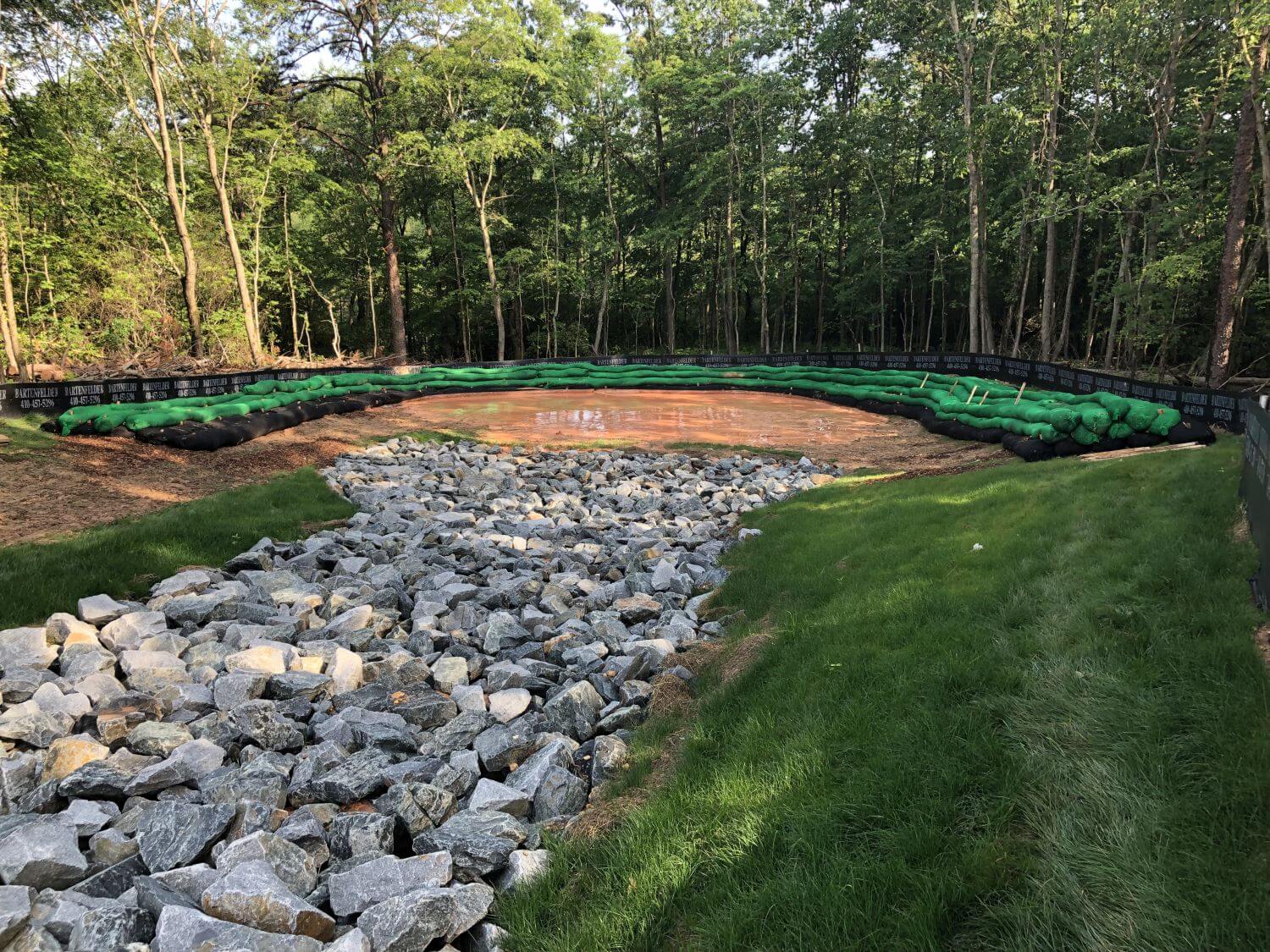
A mid-summer BMP inspection should involve far more than verifying whether controls are still physically present. The real objective is evaluating whether the stormwater system is still functioning effectively under current site conditions. That means looking beyond visible damage and identifying where hydraulic behavior across the site may be starting to exceed the capacity of existing controls.
Areas worth evaluating often include:
- Sediment buildup reducing BMP effectiveness
- Evidence of bypass or overtopping
- Areas where runoff velocity has increased
- Slope instability or rill formation
- Concentrated flow developing in temporary drainage routes
- Structural weakening of perimeter controls
- Maintenance accessibility challenges
- Inlet protection nearing sediment capacity
- Areas where stabilization no longer matches site activity
In many cases, small operational issues identified during mid-season inspections can be corrected before they escalate into larger stormwater failures later in the summer.
Real-World Conditions Rarely Match Initial Assumptions
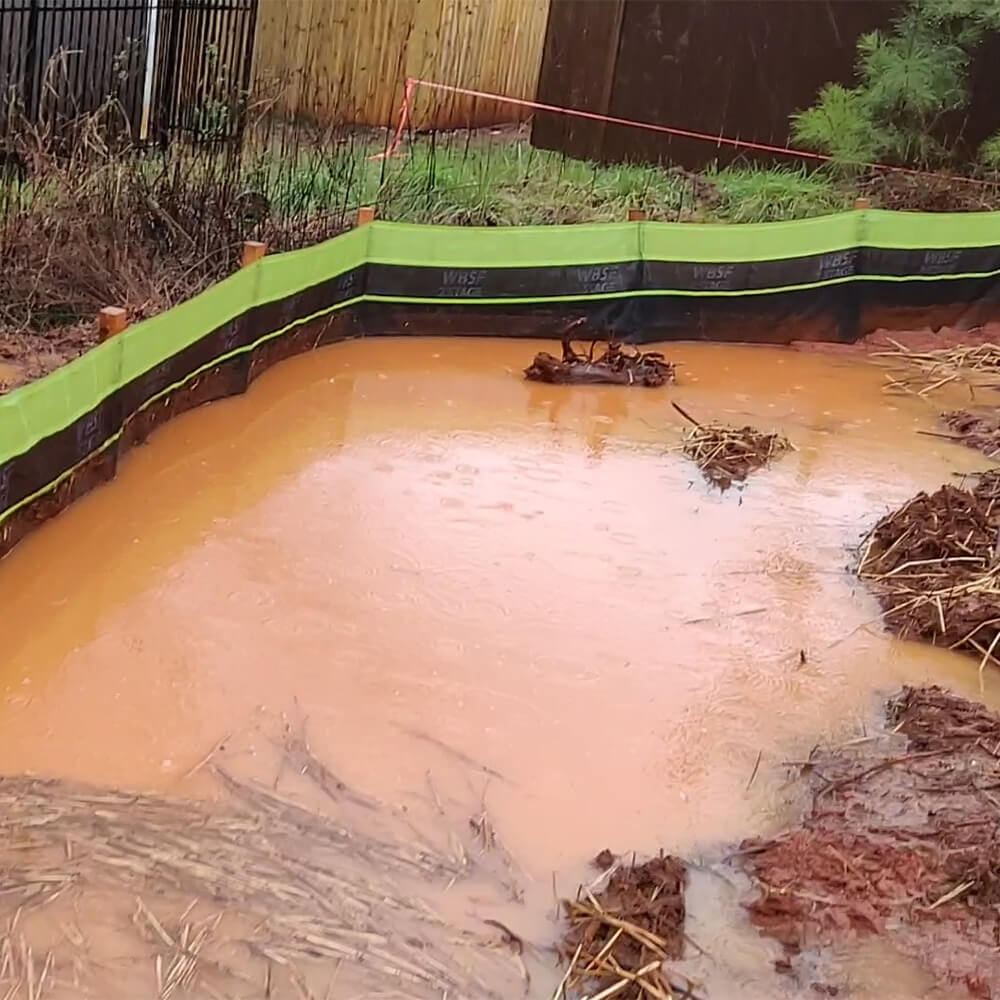
Stormwater products are often evaluated under controlled testing environments. Jobsites are not. Construction schedules shift. Crews disturb previously stabilized areas. Storm intensity changes. Drainage paths evolve. Sediment accumulates unevenly. Temporary stabilization degrades faster in high-traffic zones. Maintenance cycles become harder to manage as projects expand.
These real-world conditions continuously place pressure on erosion and sediment control systems in ways that cannot always be predicted during project planning. That’s why successful stormwater management depends heavily on adaptability and inspection.
The BMP systems that continue performing well deep into construction season are usually supported by:
- Ongoing field inspections
- Proactive maintenance
- Site-specific modifications
- Reinforcement in high-pressure areas
- Layered stormwater strategies
- Rapid response when drainage behavior changes
Long-term performance comes from continuously adjusting stormwater controls to match changing field conditions, not simply installing BMPs once and expecting them to perform indefinitely.
Before the Next Phase of Construction
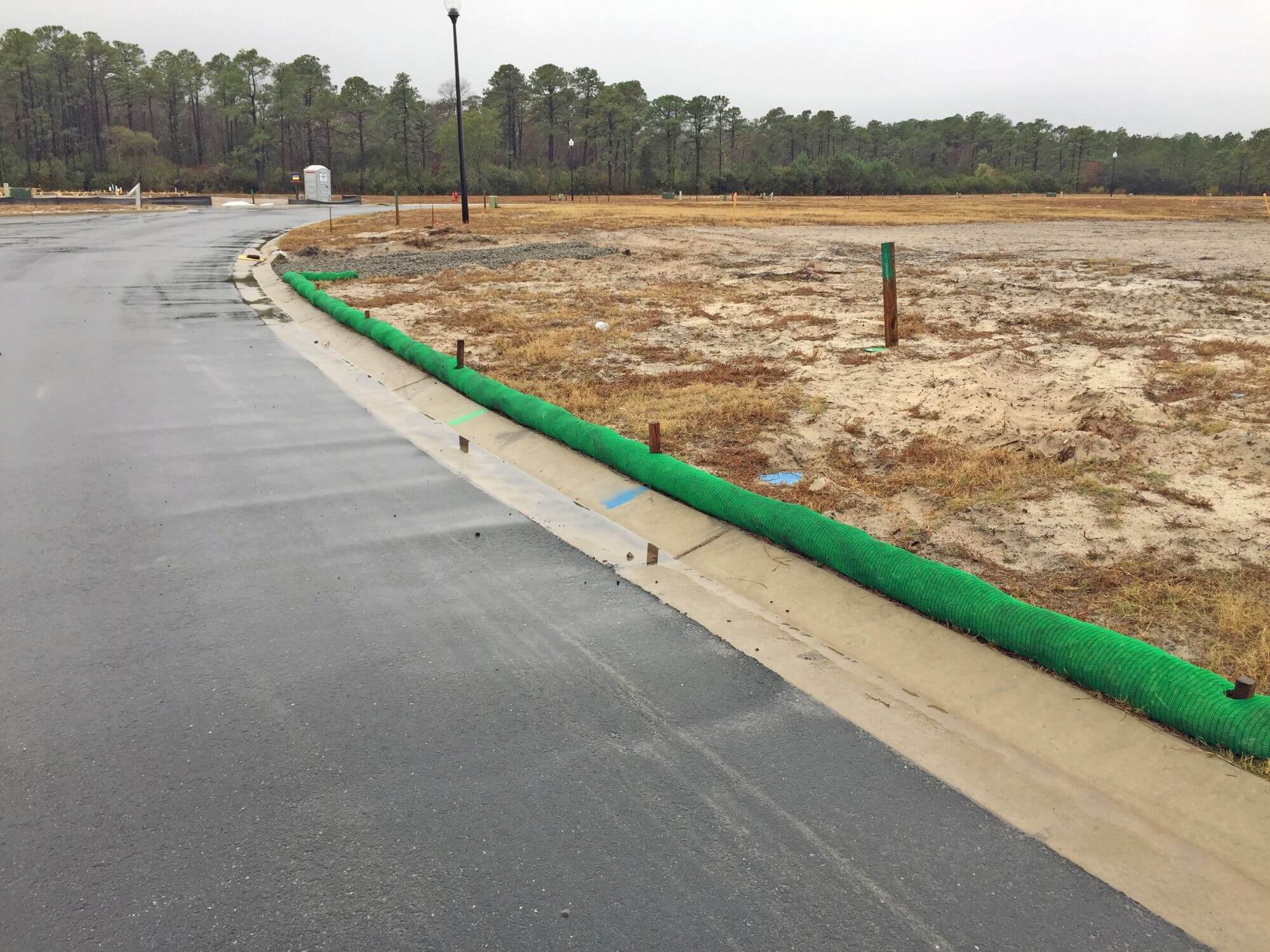
Peak construction season places stormwater systems under sustained operational pressure. Now is the time to evaluate whether your BMPs are still functioning the way current site conditions require, not the way the project looked months ago.
At MKB, we help contractors, engineers, municipalities, utilities, and site managers identify stormwater management solutions designed for evolving field conditions.If your site conditions have changed since initial installation, now is the time to reassess your stormwater strategy. Contact us today for guidance with your stormwater evaluation, or to discuss our portfolio of sediment and erosion control solutions designed for real-world field performance.