

For many contractors, erosion and sediment control is viewed as a project requirement, and thus a necessary expense to satisfy permits, inspections, and environmental regulations.
However, the most successful contractors know that effective erosion control is much more than a compliance measure. When planned and implemented strategically, it becomes an investment that reduces labor, protects schedules, minimizes rework, and improves project profitability.
In other words, good erosion control delivers a measurable return on investment (ROI).
Register for a Virtual Lunch & Learn Session
Deepen your understanding of green infrastructure and explore the latest trends and innovations in the field. During this session industry experts will share valuable insights, practical tips, and real-world case studies.
Earn 1 PDH Credit.
The True Cost of Poor Erosion Control
The cost of an erosion control product is easy to calculate. The cost of erosion control failure is much harder to measure and often much higher.
When stormwater controls fail, contractors may face:
- Regrading eroded slopes
- Replacing washed-out materials
- Cleaning sediment from storm drains
- Repairing damaged work areas
- Additional labor for emergency maintenance
- Delays while corrective actions are completed
- Increased equipment time
- Potential regulatory violations or stop-work orders
While these expenses may not appear on the original project estimate, they can quickly impact labor budgets and project timelines.
Less Rework Means Higher Profitability
Every hour spent repairing erosion damage is an hour that isn’t moving the project forward.
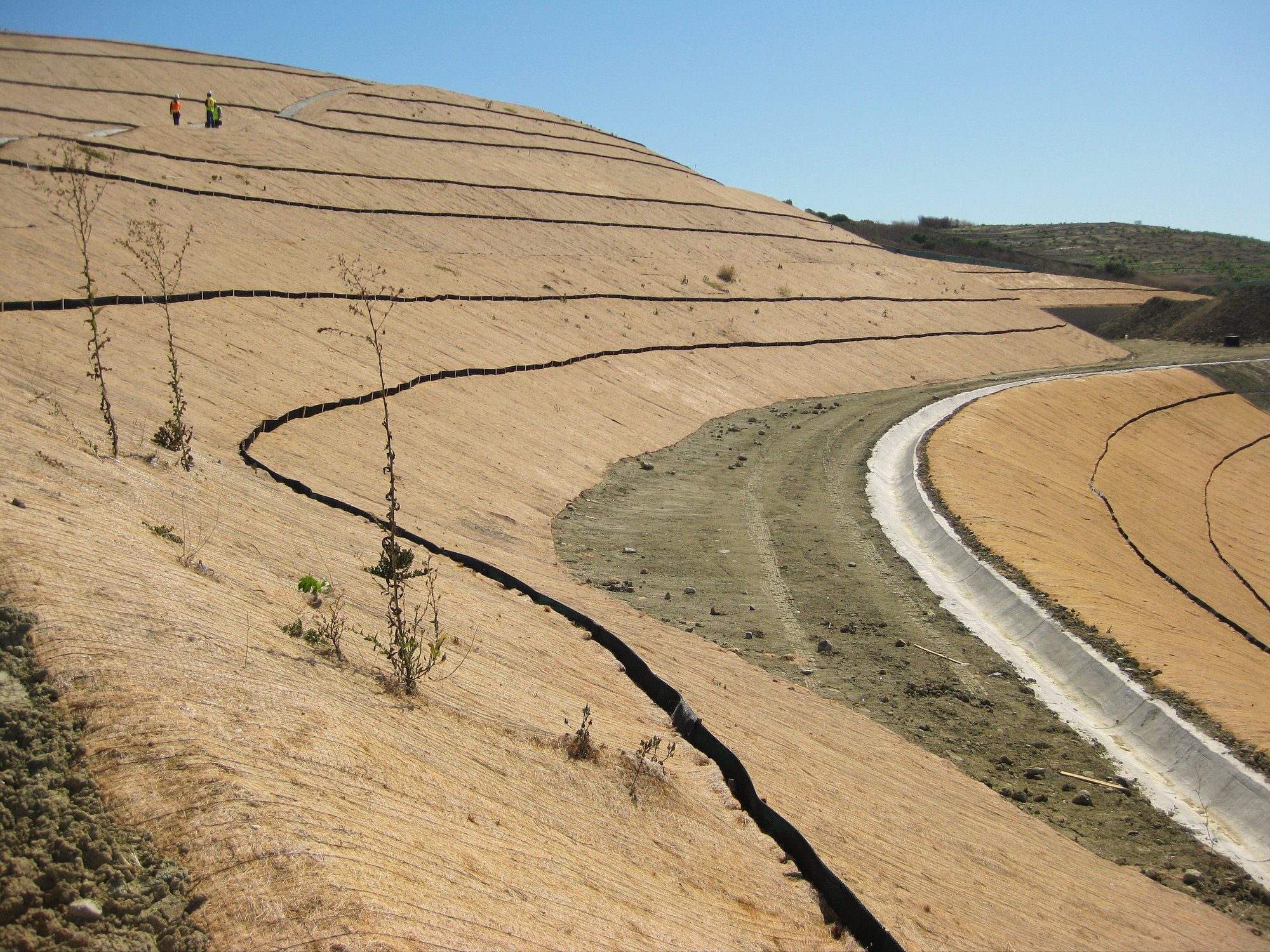
Heavy rainfall can wash away freshly graded slopes, disturb installed materials, and create sediment buildup that requires additional cleanup before work can continue. Investing in effective erosion and sediment control from the beginning helps minimize these disruptions, allowing crews to focus on productive work instead of repeating tasks that have already been completed.
Reducing rework doesn’t just save labor, it helps protect project margins.
Fewer Inspection Issues Keep Projects Moving
Stormwater inspections are a routine part of many construction projects. While inspections themselves are expected, repeated deficiencies and corrective actions can consume valuable time and resources.
Well-designed erosion control systems help reduce the likelihood of recurring maintenance issues and provide project teams with greater confidence during inspections. Passing inspections efficiently allows contractors to spend less time responding to deficiencies and more time completing the work that generates revenue.

Protecting the Construction Schedule
Construction schedules rarely have room for unexpected delays. When erosion damages access roads, destabilizes slopes, clogs drainage systems, or creates excessive sediment buildup, multiple trades can be affected.
Even relatively minor stormwater issues can create ripple effects that delay grading, utilities, paving, landscaping, or final site stabilization.
Proactive erosion control helps keep projects progressing according to schedule by reducing weather-related disruptions and minimizing recovery time after storm events.
Lower Labor Costs Through Better Planning
Labor remains one of the largest expenses on any construction project. Every additional cleanup effort, emergency repair, or sediment removal operation requires personnel, equipment, and time that could be allocated elsewhere.
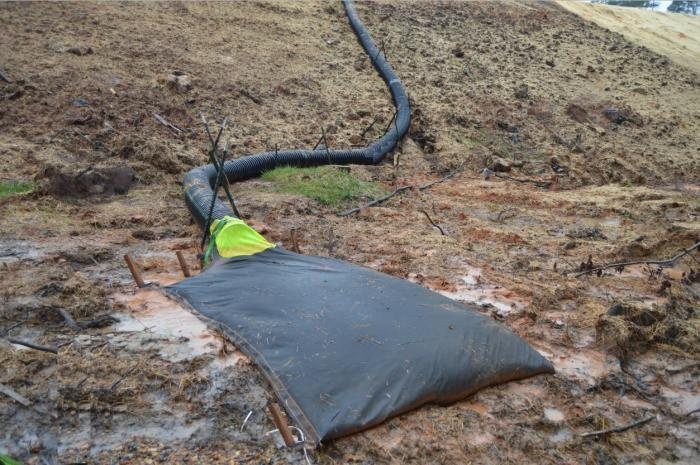
By selecting erosion control systems appropriate for site conditions and maintaining them throughout construction, contractors can often reduce the amount of reactive labor required after major rain events. This allows crews to stay focused on productive activities rather than responding to preventable problems.
Extending the Life of Project Materials
Uncontrolled runoff doesn’t just move soil, it can damage other project investments as well.
Excessive erosion may compromise:
- Newly placed topsoil
- Seeded areas
- Aggregate surfaces
- Drainage infrastructure
- Temporary access roads
- Installed stormwater controls
Protecting these materials reduces replacement costs while helping maintain overall project quality.

Looking Beyond Compliance
Environmental regulations will always remain an important part of erosion control planning. However, the contractors who consistently deliver projects on time and within budget often view erosion control through a broader business lens.
Instead of asking, “What is the minimum required?”
They ask:
- How can we reduce future maintenance?
- How can we minimize weather-related delays?
- How can we avoid unnecessary labor?
- How can we protect completed work?
- How can we keep crews productive after heavy rain?
Those questions often lead to smarter planning and better financial outcomes.
A Better Investment from Day One
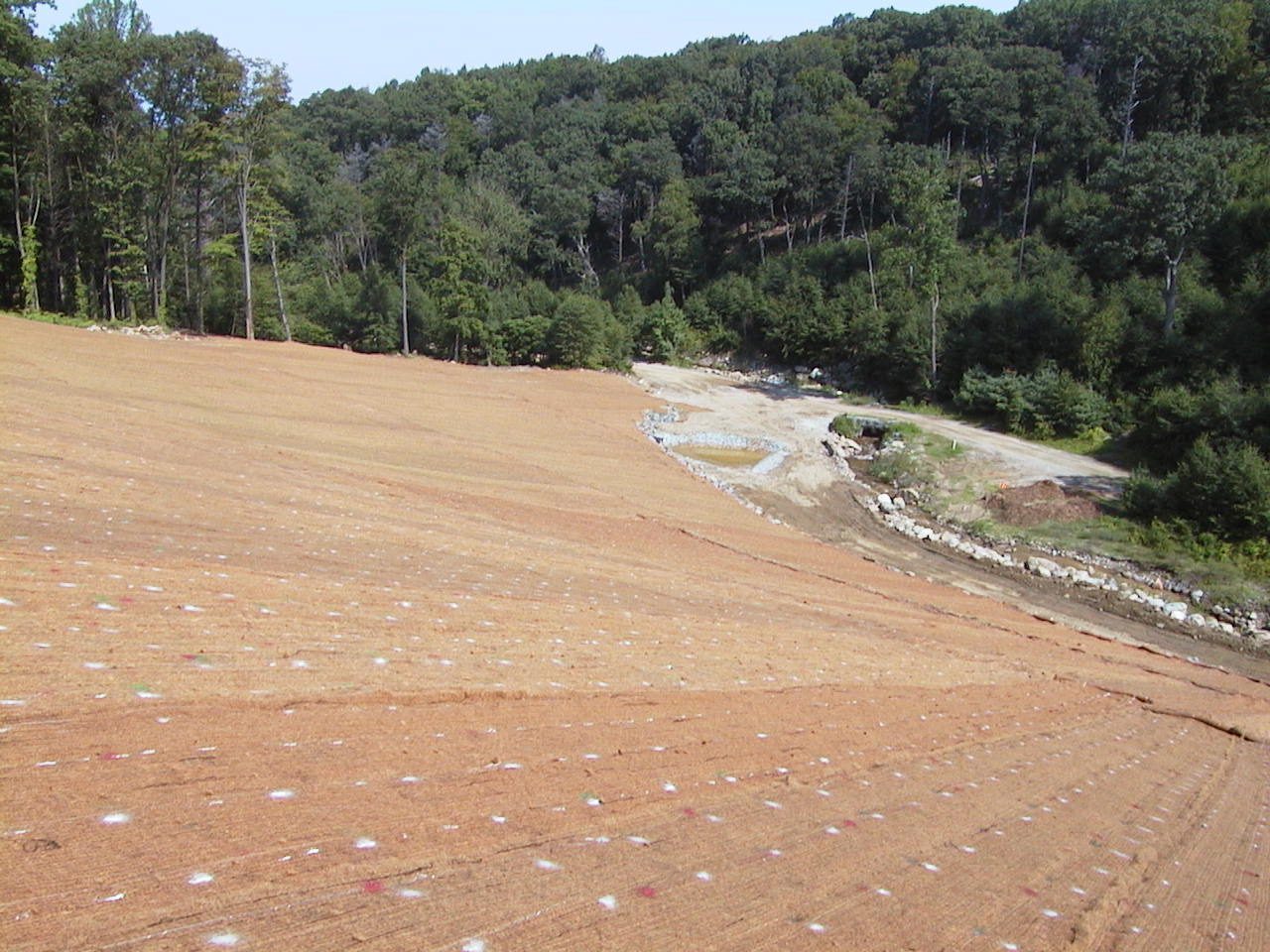
Effective erosion control isn’t simply another line item in the project budget. It’s a risk management strategy that helps protect labor, materials, equipment, schedules, and ultimately, profitability.
While no system can eliminate every weather-related challenge, thoughtful planning and high-performance erosion and sediment control solutions can significantly reduce the hidden costs that impact construction projects every season.

Partner with MKB to Maximize Project Performance
MKB helps contractors, engineers, and project owners implement erosion and sediment control solutions that do more than satisfy permit requirements, they help protect project schedules, reduce maintenance, and improve long-term performance.
From erosion control blankets and geotextiles to sediment control systems, filtration products, and green infrastructure solutions, MKB provides the expertise and products needed to help projects stay on track from groundbreaking through final stabilization.
Contact MKB today to learn how the right erosion control strategy can help reduce costs, improve efficiency, and deliver a stronger return on investment.