

Winter weather brings one of the most challenging natural forces for erosion control: freeze–thaw cycles. As temperatures rise and fall across days, or even within a single afternoon, soils expand, contract, loosen, refreeze, and shift. These rapid transitions create unstable ground conditions that put slopes, channels, disturbed soils, and exposed areas at greater risk of erosion.
For contractors, engineers, and inspectors preparing sites for winter and early spring, understanding how freeze–thaw cycles affect Erosion Control Blankets (ECBs) and Turf Reinforcement Mats (TRMs) is essential for maintaining compliance and preventing costly damage.
This guide explains what freeze–thaw cycles do to soil and BMPs, how blankets and TRMs respond, and how to choose the right products for cold-season performance.
Register for a Virtual Lunch & Learn Session
Deepen your understanding of inlet protection and explore the latest trends and innovations in the field. During this session industry experts will share valuable insights, practical tips, and real-world case studies.
Earn 1 PDH Credit.
Why Freeze–Thaw Cycles Increase Erosion Risk
During winter, freeze–thaw cycles repeatedly stress unprotected soils. Each cycle can:
- Break apart soil aggregates, making them more prone to detachment
- Reduce infiltration, increasing runoff velocity over frozen surfaces
- Create channels and rills as melting snow or rain flows across thawing soil
- Destabilize slopes, leading to sloughing or small slides
- Expose or undermine installed BMPs if they aren’t properly secured
This means erosion control isn’t just a warm-weather concern—winter instability can lead to major sediment loss before vegetation has a chance to establish.
How Freeze–Thaw Cycles Affect Erosion Control Blankets (ECBs)
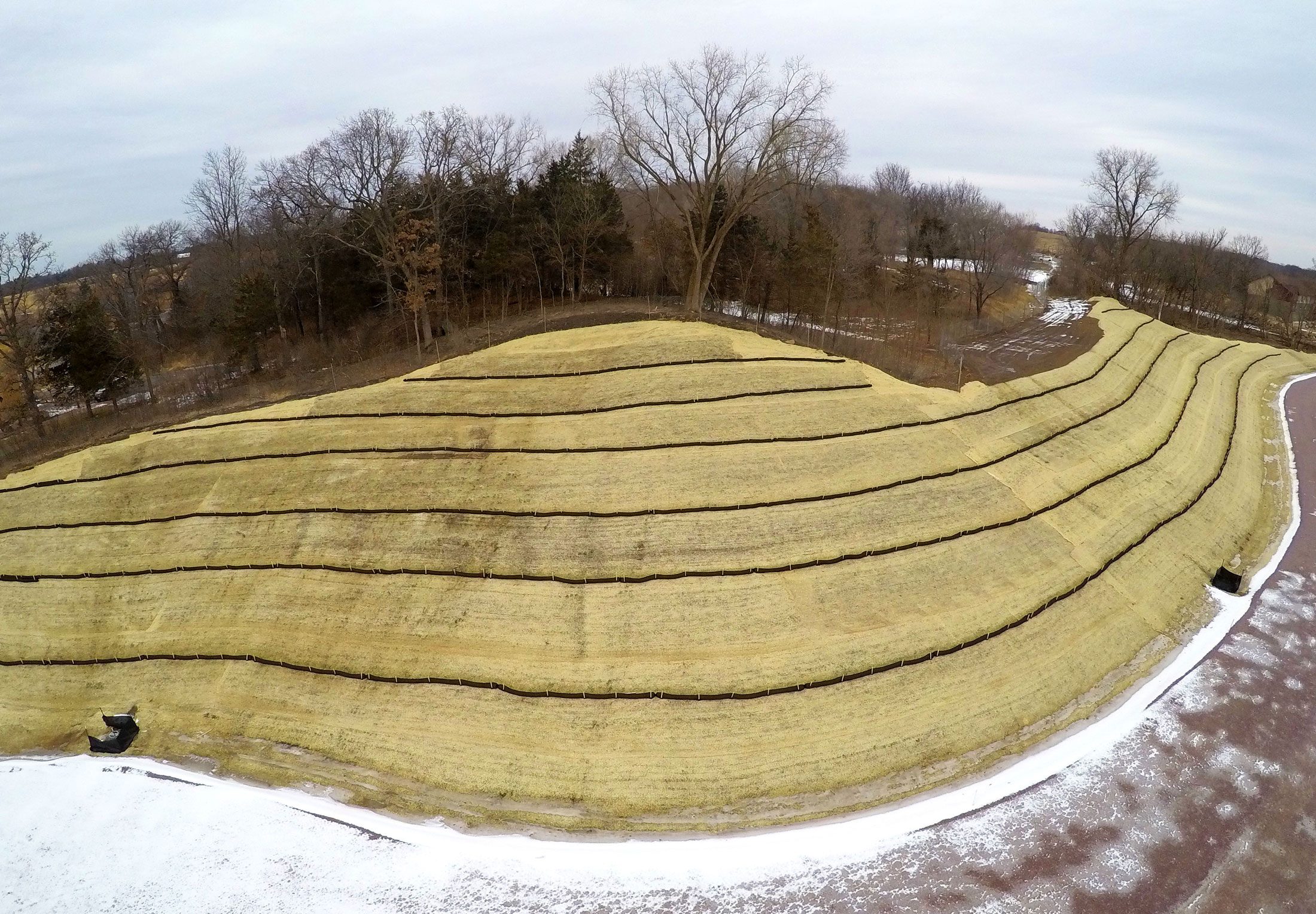
Erosion Control Blankets often serve as the first protective layer on winter job sites, but freeze–thaw cycles can impact their performance in several ways. As soils expand and contract beneath the blanket, blanket-to-soil contact can loosen, creating gaps that allow water to run beneath the material and cause undercutting. When this happens repeatedly, blankets may shift, wrinkle, or lose their grip on the slope, especially if anchoring was minimal during installation.
These cycles also place increased stress on staples and pins. Cold-weather soil movement can tug against anchoring points, leading to uplift or seam separation if the blanket isn’t properly secured. Moisture saturation adds another layer of stress; straw and straw-coconut blankets absorb water, which then freezes and stiffens the fibers. As temperatures rise again, the material softens and sags—gradually weakening over time. Heavier coir blankets resist this degradation more effectively and tend to perform better through extended winter exposure.
Because vegetation growth pauses during colder months, blankets must provide long-term coverage with no help from emerging roots. This increases the importance of correct blanket selection, anchoring density, and installation technique heading into the winter season.
How Freeze–Thaw Cycles Affect Turf Reinforcement Mats (TRMs)
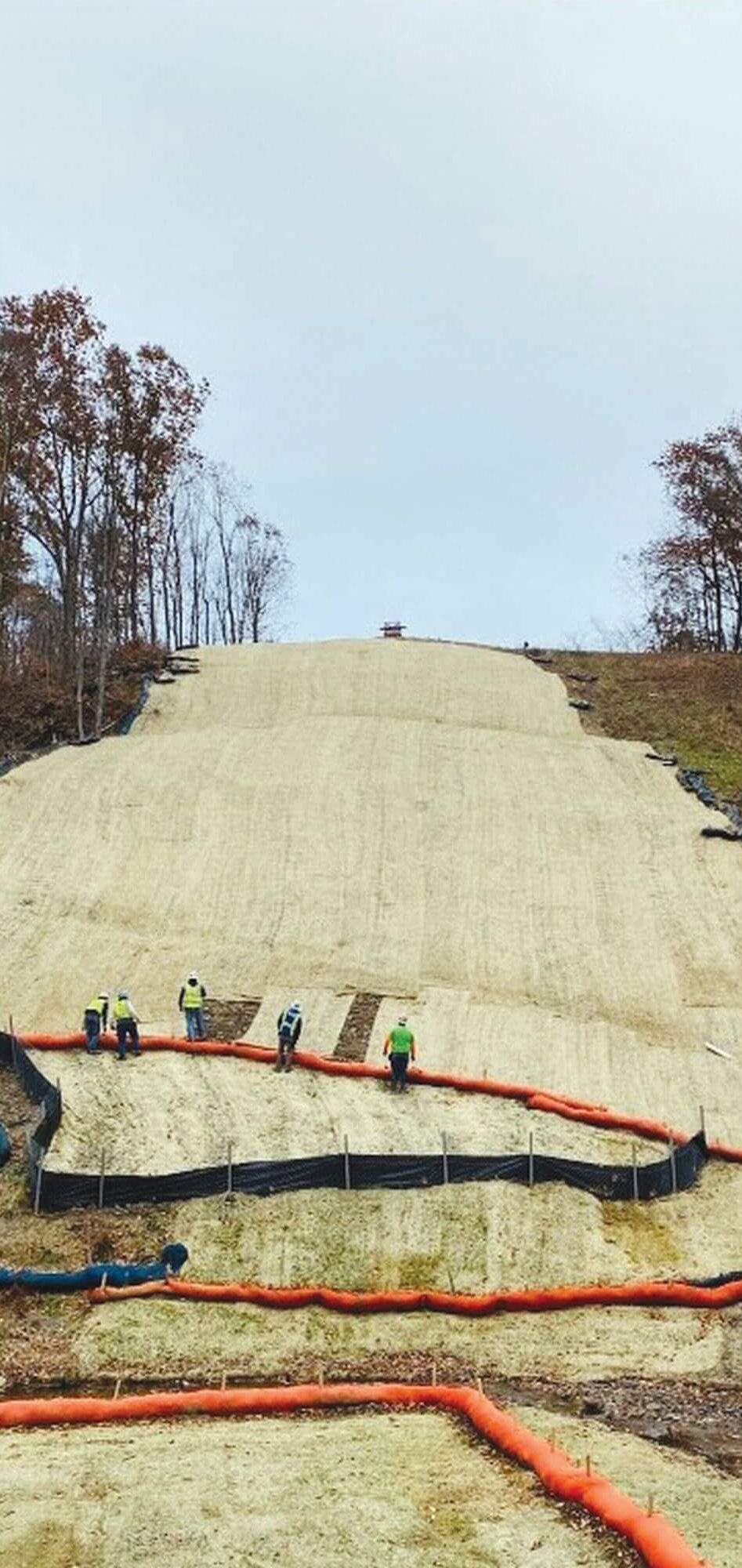
TRMs offer stronger, longer-lasting reinforcement than blankets, especially in high-flow channels and steep slopes, but freeze–thaw cycles still influence their performance. Soil heaving beneath a TRM can create uneven surfaces that stress the mat or allow water to infiltrate underneath. If water reaches the underside of the TRM during melt events, it may begin to undercut the soil, especially if the top-of-slope or toe-of-slope trenching was inadequate.
Winter soil movement can also affect edges and seams. While TRMs do not degrade in cold conditions, the soil anchoring them can shift, potentially causing edges to lift or staples to pull out. This becomes especially problematic during snowmelt, when some of the highest flow events of the year occur. A TRM must remain tightly secured during these periods to protect the underlying soils from increased shear stress.
Another challenge is limited winter access. If a TRM begins to fail during cold or saturated conditions, maintenance crews may not be able to reach the affected area immediately, leaving the site vulnerable until conditions improve. This reinforces the need for robust installation practices before freezing temperatures set in.
Choosing the Right Blanket or TRM for Freeze–Thaw Conditions
Selecting BMPs that perform well during freeze–thaw cycles requires understanding your site’s slopes, flow conditions, soil type, and exposure duration. Coir blankets provide added durability when winter exposure is expected, while lightweight straw blankets may not hold up as well on steep slopes or high-risk areas. Increasing staple density and confirming blanket-to-soil contact during installation help prevent uplift and undercutting during freeze–thaw transitions.
For TRMs, strong anchoring patterns and correct trenching at both the top and bottom of the slope are essential to resist soil heaving and water infiltration. TRMs excel in environments with high-flow potential, long-term stabilization needs, or steep grades where blankets alone may not be sufficient. Pairing TRMs with sediment controls ensures any loosened soil stays contained until vegetation establishes in spring.
Final Thoughts: Planning for Winter Means Planning for Freeze–Thaw Cycles
Freeze–thaw cycles are inevitable, but BMP failures don’t have to be. Understanding how winter conditions stress erosion control blankets and TRMs allows contractors to make informed product choices, reinforce installation practices, and protect sites during the most vulnerable months of the year. By preparing for winter early and selecting materials suited for freeze–thaw environments, contractors can maintain compliance, protect waterways, and be ready for a smooth transition into spring.
Need Products That Perform Through Freeze–Thaw Cycles?
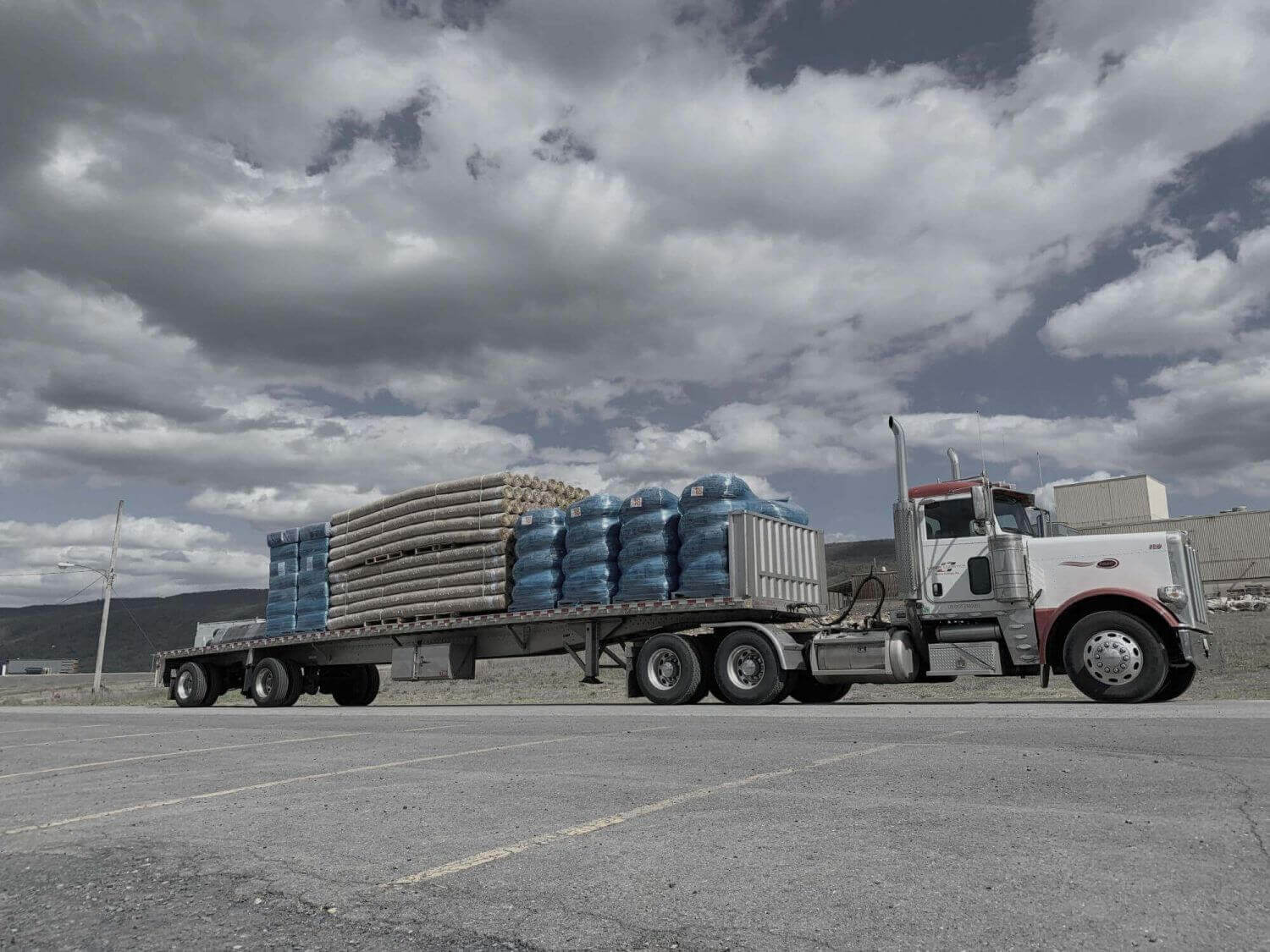
MKB supplies the full range of cold-season erosion and sediment control solutions—including blankets, TRMs, compost filter socks, alternative fills, anchoring systems, and engineered sediment barriers—supported by nationwide distribution for fast delivery.
Contact MKB today for product recommendations, specifications, and support for your 2026 projects.