

Stormwater management has come a long way over the past two decades.
Twenty years ago, many construction sites relied on a relatively small toolbox of erosion and sediment control measures. The primary objective was straightforward: keep sediment on the jobsite and satisfy permit requirements.
Today, the expectations are much higher.
Construction projects are expected to protect water quality, improve resilience during increasingly intense storm events, reduce long-term maintenance, and meet evolving environmental regulations, all while keeping projects on schedule and within budget.
As the challenges facing the industry have changed, so have the BMPs used to address them.
The biggest transformation isn’t simply that new products have entered the market. It’s that the industry’s entire approach to stormwater management has evolved from reactive compliance to proactive performance.
Register for a Virtual Lunch & Learn Session
Deepen your understanding of green infrastructure and explore the latest trends and innovations in the field. During this session industry experts will share valuable insights, practical tips, and real-world case studies.
Earn 1 PDH Credit.
At a Glance: How Stormwater BMPs Have Evolved
| 20 Years Ago | Today | Why It Changed |
| Straw bales | Engineered compost filter socks | Better filtration, improved durability, and more consistent performance |
| Traditional silt fence | Layered sediment control systems | Modern projects use multiple BMPs designed around site-specific conditions |
| Sediment control | Water quality management | Runoff carries more than soil, requiring treatment for nutrients, hydrocarbons, bacteria, and heavy metals |
| Temporary stabilization | Long-term resilience | Owners increasingly prioritize lifecycle performance and lower maintenance costs |
| One-time BMP installation | Adaptive stormwater management | Construction sites evolve daily, requiring BMPs to evolve with them |
| Compliance-driven decisions | Risk management | Effective BMPs protect schedules, budgets, and project performance—not just permits |
| Individual products | Integrated stormwater systems | Multiple BMPs working together consistently outperform standalone solutions |
Shift #1: From Sediment Control to Water Quality Management
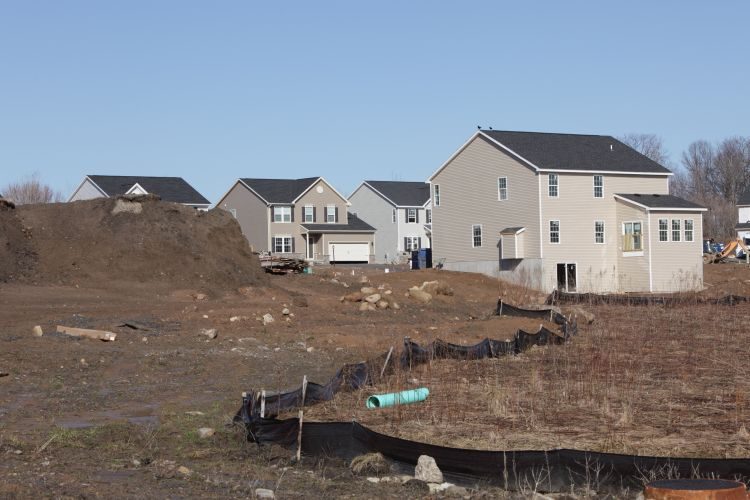
For many years, sediment was considered the primary stormwater concern on construction sites.
While sediment remains one of the most visible pollutants leaving disturbed sites, today’s understanding of stormwater has expanded significantly.
Runoff can also transport:
- Nutrients
- Hydrocarbons
- Heavy metals
- Bacteria
- Construction debris
- Other contaminants that impact downstream waterways
As a result, modern BMP strategies increasingly include pollutant filtration and water quality treatment—not simply erosion prevention.
Stormwater management has evolved from slowing runoff to improving the quality of the water leaving a site.
Shift #2: From Basic Materials to Engineered Solutions
Early erosion and sediment control often relied on simple, readily available materials.
Straw bales, basic silt fence, and temporary barriers provided economical solutions but frequently produced inconsistent results due to installation quality, maintenance challenges, and varying site conditions.
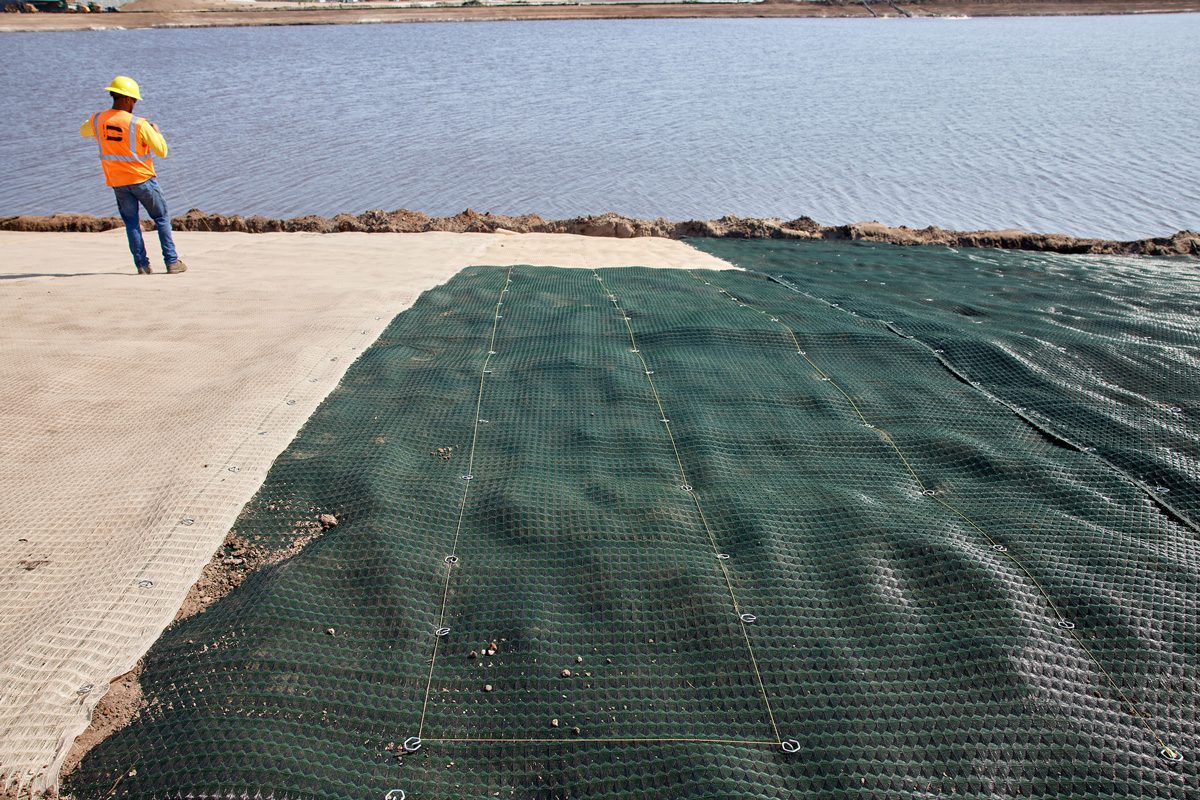
Today’s engineered BMPs are designed with predictable hydraulic performance, improved durability, and easier maintenance in mind.
Examples include:
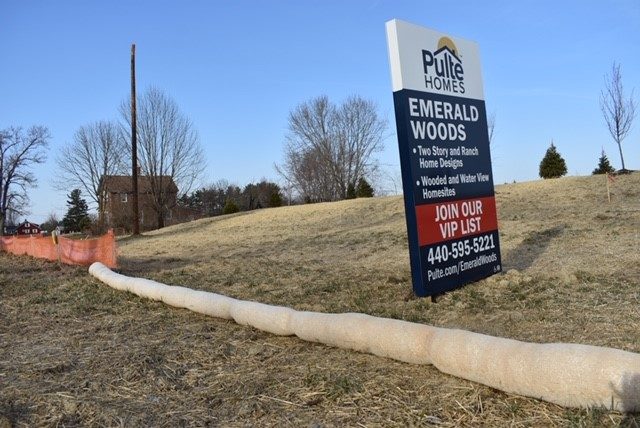
- Engineered compost filter socks
- Advanced Silt Fence solutions
- High-performance rolled erosion control products (RECPs)
- Turf reinforcement mats (TRMs)
- Advanced inlet protection systems
- Engineered geotextiles
The industry has steadily moved away from “good enough” solutions toward products designed to perform under demanding field conditions.
Shift #3: From Individual BMPs to Integrated Stormwater Systems
One of the most significant changes over the past 20 years is the recognition that no single BMP can solve every stormwater challenge.
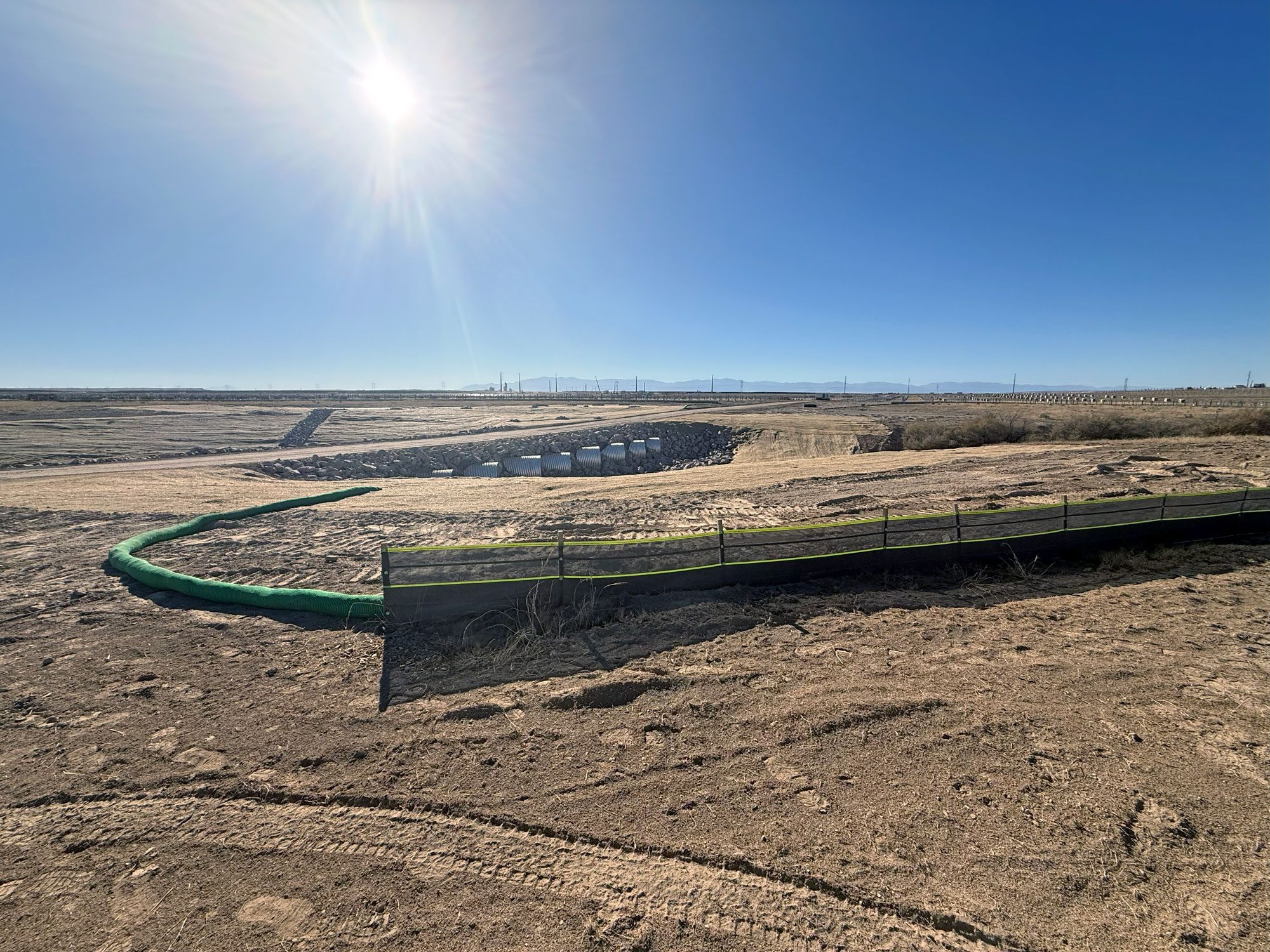
Instead of relying primarily on perimeter controls, today’s projects often use layered systems that address runoff throughout the site.
A comprehensive stormwater strategy may combine:
- Compost filter socks
- Reinforced sediment barriers
- Erosion control blankets
- Diversion practices
- Geotextiles
- Inlet protection
- Sediment basins
- Pollutant filtration systems
Each BMP serves a different purpose, creating multiple layers of protection that improve overall system performance.

Shift #4: From Temporary Protection to Long-Term Performance
Historically, many BMPs were selected simply to protect exposed soil until construction was complete.
Today, engineers and owners increasingly evaluate how stormwater infrastructure will perform long after the contractor leaves the site.
This shift has encouraged greater use of:
- Permanent vegetation systems
- Turf reinforcement mats
- Durable rolled erosion control products
- Green infrastructure
- Biodegradable solutions
Rather than focusing only on construction-phase performance, modern stormwater planning considers the entire lifecycle of the project.
Shift #5: From Compliance to Risk Management
Perhaps the biggest evolution has been philosophical.
Stormwater management is no longer viewed solely as a regulatory obligation. It has become an essential component of project risk management.
Well-designed BMP systems help reduce:
- Washouts
- Emergency repairs
- Labor costs
- Schedule delays
- Material replacement
- Environmental impacts
- Long-term maintenance
Many contractors now recognize that the greatest value of effective stormwater management isn’t simply avoiding citations, it’s avoiding disruptions that impact profitability.
What's Next for Stormwater Management?
The evolution of BMPs isn’t slowing down.
As construction practices continue to change, future stormwater management strategies are likely to place even greater emphasis on:
- Green infrastructure
- Pollutant filtration
- Climate resilience
- Site-specific design
- Lifecycle performance
- Sustainable construction
- Adaptive stormwater management
The industry’s future won’t be defined by individual products. It will be defined by integrated systems that adapt to changing site conditions while protecting both infrastructure and water quality.
Looking Ahead
The past 20 years have transformed how the construction industry approaches stormwater management.
What began as a compliance exercise has become a discipline focused on performance, resilience, and long-term project success.
As projects become more complex and environmental expectations continue to rise, the organizations that embrace this evolution will be better positioned to reduce risk, improve efficiency, and build more sustainable infrastructure.
Partner With MKB for the Next Generation of Stormwater Solutions
The evolution of BMPs demonstrates that successful stormwater management requires more than selecting individual products. It requires building integrated systems that perform throughout every phase of construction.
MKB partners with contractors, engineers, developers, and municipalities to deliver comprehensive erosion control, sediment control, pollutant filtration, and green infrastructure solutions designed for today’s construction challenges and tomorrow’s environmental expectations.
Whether your project requires erosion control blankets, compost filter socks, geotextiles, turf reinforcement mats, inlet protection, or advanced stormwater filtration systems, MKB can help you develop a stormwater strategy built for long-term performance.
Contact MKB today to learn how modern BMP solutions can help protect your project, your schedule, and the environment.