

Stormwater management has always been about preparing for the unexpected. Today, however, “unexpected” is becoming increasingly difficult to define.
Across North America, engineers, contractors, and municipalities are seeing weather patterns shift in ways that challenge traditional stormwater BMP design. More frequent high-intensity rainfall events, prolonged periods of drought, and sudden flash flooding are placing greater demands on erosion and sediment control systems than many projects were originally designed to handle.
As climate conditions continue to evolve, stormwater management strategies must evolve as well. The conversation is no longer focused solely on meeting today’s regulatory requirements. Instead, it is increasingly centered on designing infrastructure that can withstand tomorrow’s uncertainties.
Register for a Virtual Lunch & Learn Session
Deepen your understanding of green infrastructure and explore the latest trends and innovations in the field. During this session industry experts will share valuable insights, practical tips, and real-world case studies.
Earn 1 PDH Credit.
The New Reality of Stormwater Management
Stormwater systems have traditionally been designed using decades of historical rainfall data to estimate runoff volumes and peak flow rates. Those methods remain an essential part of civil engineering, but many professionals recognize that historical averages may not always reflect the conditions projects will experience over their service life.
Across much of the United States, changing weather patterns are contributing to:
- More frequent high-intensity rainfall events
- Longer dry periods followed by sudden, heavy storms
- Increased runoff from hardened or drought-affected soils
- Higher erosion rates during extreme weather
- Greater sediment transport into waterways and stormwater infrastructure
These changing conditions place additional stress on both temporary and permanent stormwater management systems. What performed well under yesterday’s design assumptions may face entirely different challenges tomorrow.
How Stormwater Design Is Evolving
The objective of stormwater management has not changed: protect waterways, reduce erosion, control sediment, and keep projects compliant. What is changing is how engineers are approaching those objectives.
Rather than designing solely around average weather conditions, many project teams are placing greater emphasis on resilience. The question is shifting from, “Will this system meet today’s requirements?” to, “How will this system perform under a wider range of conditions?”
That mindset is influencing decisions throughout the design process, from hydrologic modeling and grading plans, to the selection of erosion and sediment control strategies.
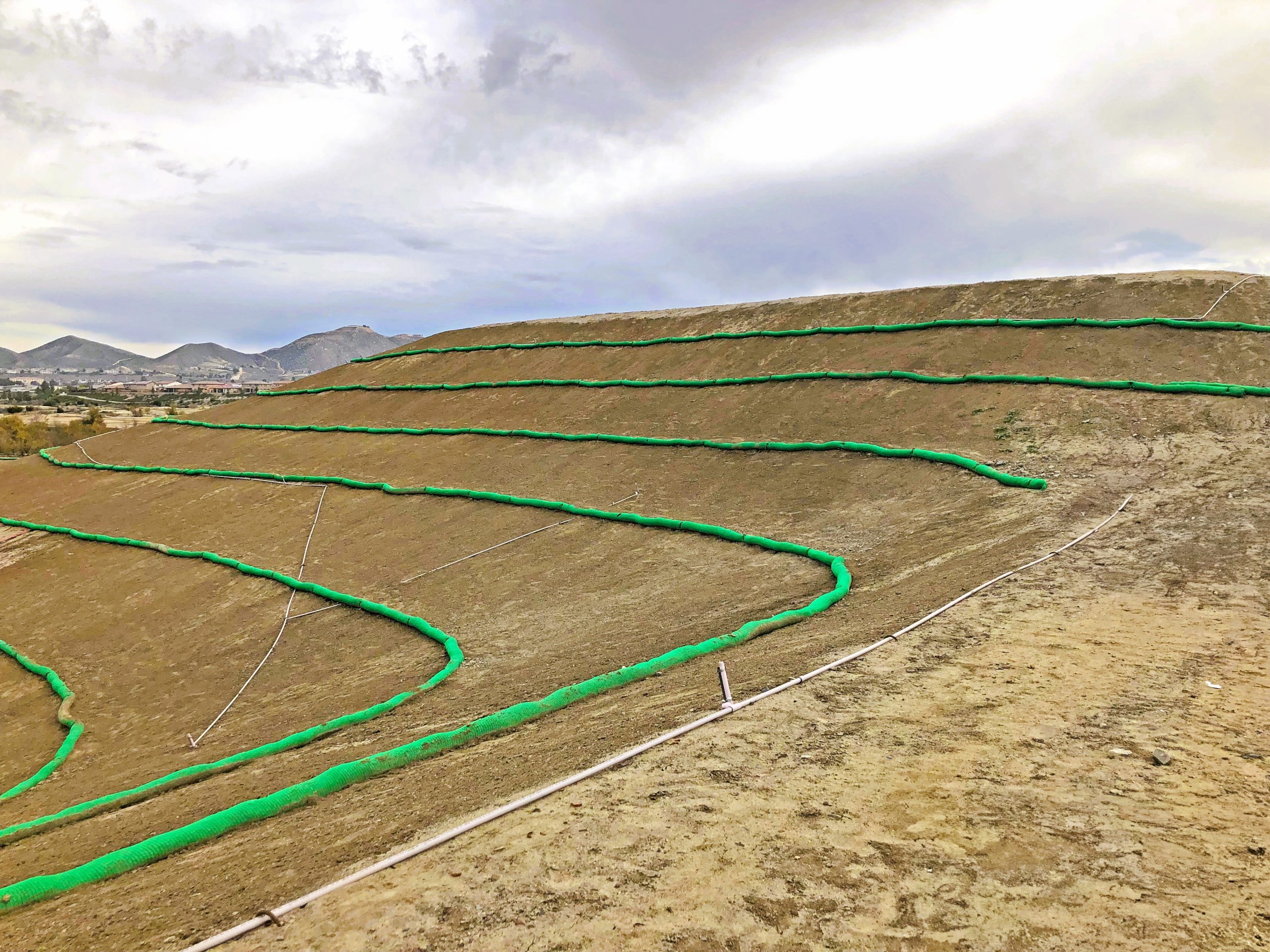
Designing for Uncertainty Instead of History
Historical rainfall records remain a critical design tool, but they represent only one piece of the puzzle.
As weather becomes more variable, engineers are increasingly evaluating how infrastructure will respond when conditions fall outside historical norms. During project planning, discussions often extend beyond regulatory minimums to include questions such as:
- How will runoff patterns change if rainfall intensity increases?
- What happens when extended dry periods create harder, less permeable soils before a major storm?
- How might project delays affect erosion and sediment control performance?
- Can stormwater systems continue functioning effectively as site conditions evolve throughout construction?
Designing for uncertainty doesn’t mean abandoning proven engineering practices. Instead, it means recognizing that flexibility and adaptability are becoming increasingly valuable components of successful stormwater management.
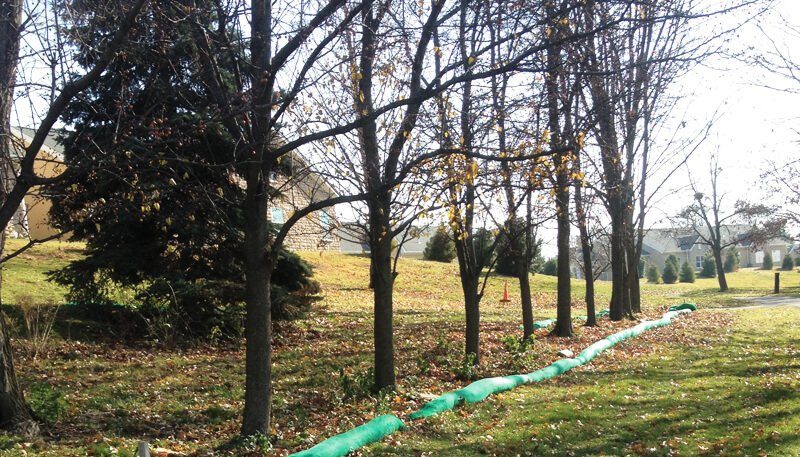
Resilience Is Becoming a Design Objective
Compliance will always remain an important benchmark, but many owners, municipalities, and engineers are expanding their focus beyond passing inspections.
Stormwater resilience considers how infrastructure performs over time, not just during a single inspection or design storm.
Increasingly, project teams are evaluating questions such as:
- How durable are the selected control measures?
- How easily can systems be inspected and maintained?
- Can infrastructure continue performing during multiple storm events?
- Will systems recover quickly after severe weather?
- How adaptable are stormwater controls as project conditions change?
Rather than viewing stormwater management as a one-time installation, resilient design recognizes that successful systems must continue performing throughout the life of a project.

Technology Is Changing the Conversation
Advances in technology are also reshaping how stormwater systems are planned and managed.
High-resolution rainfall mapping, GIS analysis, drone surveys, remote monitoring, and improved hydrologic modeling are providing engineers with more detailed information than ever before. These tools help project teams better understand drainage patterns, identify potential vulnerabilities, and make more informed design decisions before problems develop.
The result is a shift from reactive stormwater management toward a more proactive approach that anticipates risk instead of simply responding to failures.

The Future of Stormwater Is Adaptive
Climate resilience does not require abandoning existing engineering principles or replacing every established BMP.
Instead, it encourages designers, contractors, and owners to think more holistically about how stormwater systems perform throughout changing environmental conditions.
Adaptive stormwater management recognizes that successful infrastructure should be capable of responding to a range of weather scenarios, not just average conditions. Whether through improved planning, thoughtful maintenance, evolving design practices, or innovative materials, resilience is becoming an increasingly important measure of long-term project success.
As climate patterns continue to evolve, stormwater management will evolve alongside them. The projects that perform best in the years ahead will likely be those designed with both today’s requirements and tomorrow’s uncertainties in mind.

Partner with MKB for Smarter Stormwater Solutions
As stormwater design continues to evolve, MKB remains committed to helping engineers, contractors, and municipalities navigate changing project demands. Our portfolio of erosion control, sediment control, filtration, geotextiles, and green infrastructure solutions supports projects across a wide range of applications, backed by the technical expertise to help teams make informed decisions.
Whether you’re planning for today’s regulations or preparing for tomorrow’s challenges, MKB is ready to help you build more resilient stormwater systems. Contact us today to discuss the specifics of your project or to request a quote.