

As the construction industry enters a new year, many contractors, engineers, and municipal agencies use the first quarter to review stormwater, sediment, and erosion control approaches, evaluate past performance, and align with updated specifications. While requirements and priorities vary by region and project type, several consistent industry patterns tend to emerge early in the year.
Q1 is the moment when most teams step back to reassess BMP strategies, review new specs, plan inventory, and prepare for an increasingly demanding regulatory landscape. It’s also when early decisions create powerful downstream advantages by reducing rework, preventing compliance issues, and ensuring smoother project execution throughout the construction season.
At MKB, our role is to support contractors, engineers, and municipal partners with solutions that not only meet today’s standards, but also anticipate what’s coming. The following insights reflect common themes we see across projects as teams prepare for the year ahead.
Register for a Virtual Lunch & Learn Session
Deepen your understanding of inlet protection and explore the latest trends and innovations in the field. During this session industry experts will share valuable insights, practical tips, and real-world case studies.
Earn 1 PDH Credit.
Regulatory Expectations Often Become Clearer Early in the Year
While stormwater regulations do not typically change overnight, many agencies release clarifications, revisions, or updated guidance at the beginning of the year. In practice, this can influence how BMPs are reviewed, installed, and inspected during upcoming construction seasons. In 2026, several trends are expected to accelerate, impacting both public and private projects:
Common early-year regulatory observations include:
- Heightened focus on how sediment is managed on site, especially in areas with higher environmental sensitivity
- More consistent enforcement of installation and maintenance standards, rather than just product presence
- Updated DOT or municipal specifications that provide more detailed direction on acceptable materials
- Increased emphasis on documentation, including inspection records and visual confirmation of BMP performance
For project teams, reviewing applicable manuals and aligning BMP selections early can help reduce inspection challenges later in the year.
Public and Private Infrastructure Work Continues to Influence BMP Demand
Infrastructure investment remains an important driver of construction activity across many regions. While project timing and funding sources vary, larger and longer-duration projects often bring additional scrutiny to stormwater and erosion control plans.
In these environments, teams frequently prioritize:
- Sediment control solutions designed for extended use, rather than short-term fixes
- Products with a documented history of acceptance by DOTs and municipalities
- Erosion control systems appropriate for slopes, channels, and disturbed soils that may remain exposed longer
These considerations can influence BMP selection well before construction begins, especially for projects with formal review processes.
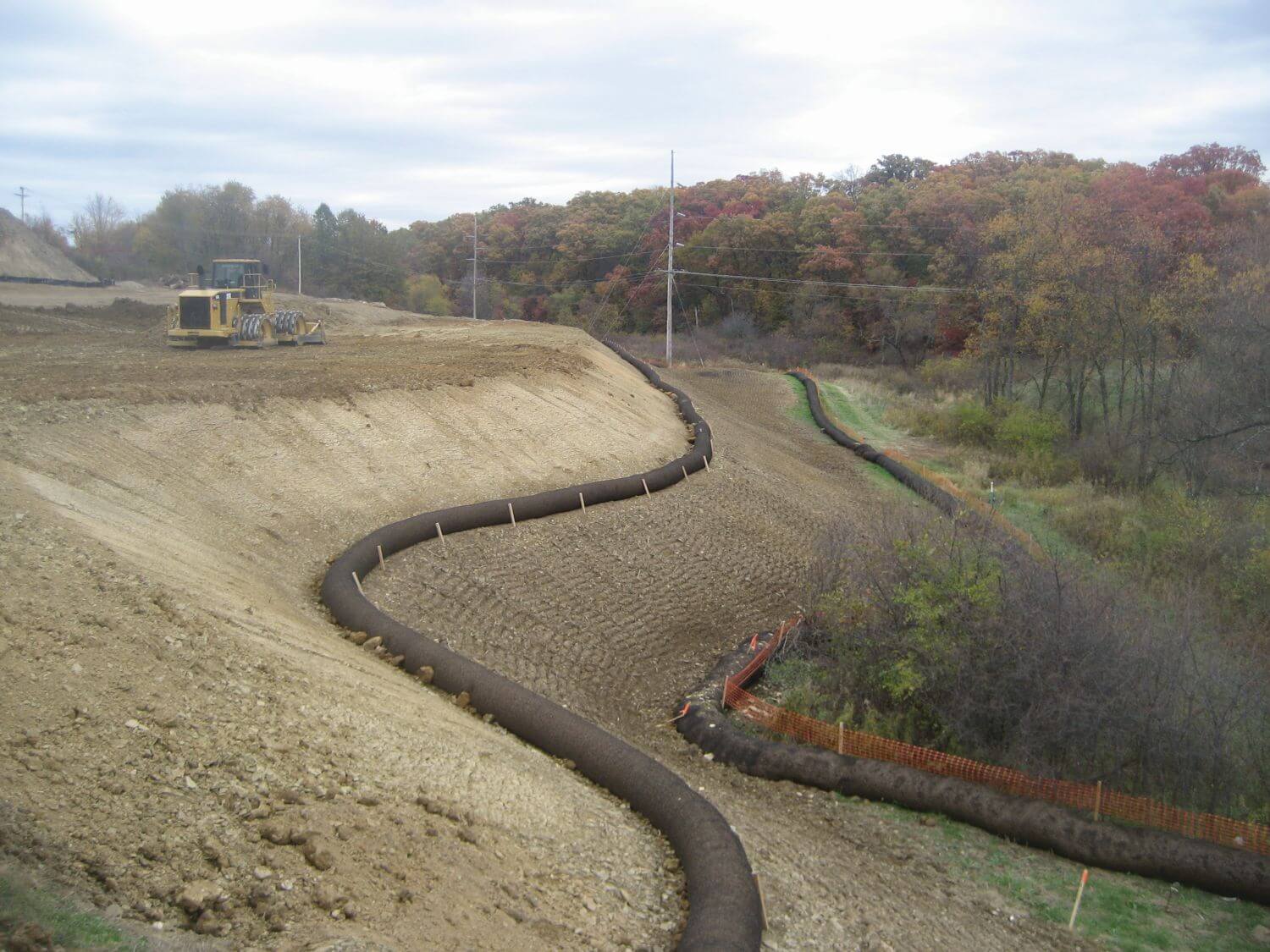
Contractors Often Favor BMPs That Reduce Uncertainty and Rework
Based on ongoing conversations across the industry, many contractors are increasingly focused on predictability, both in performance and installation.
This often shows up as:
- Preference for engineered sediment control devices that maintain shape and function when properly installed
- Use of reinforced erosion control systems, such as TRMs or higher-performance RECPs, where repeated maintenance has been an issue
- Selection of inlet protection solutions designed to remain effective through variable site conditions
- Standardization on familiar BMPs that crews know how to install correctly and inspectors recognize
These choices are less about chasing new products and more about reducing risk, callbacks, and downtime.
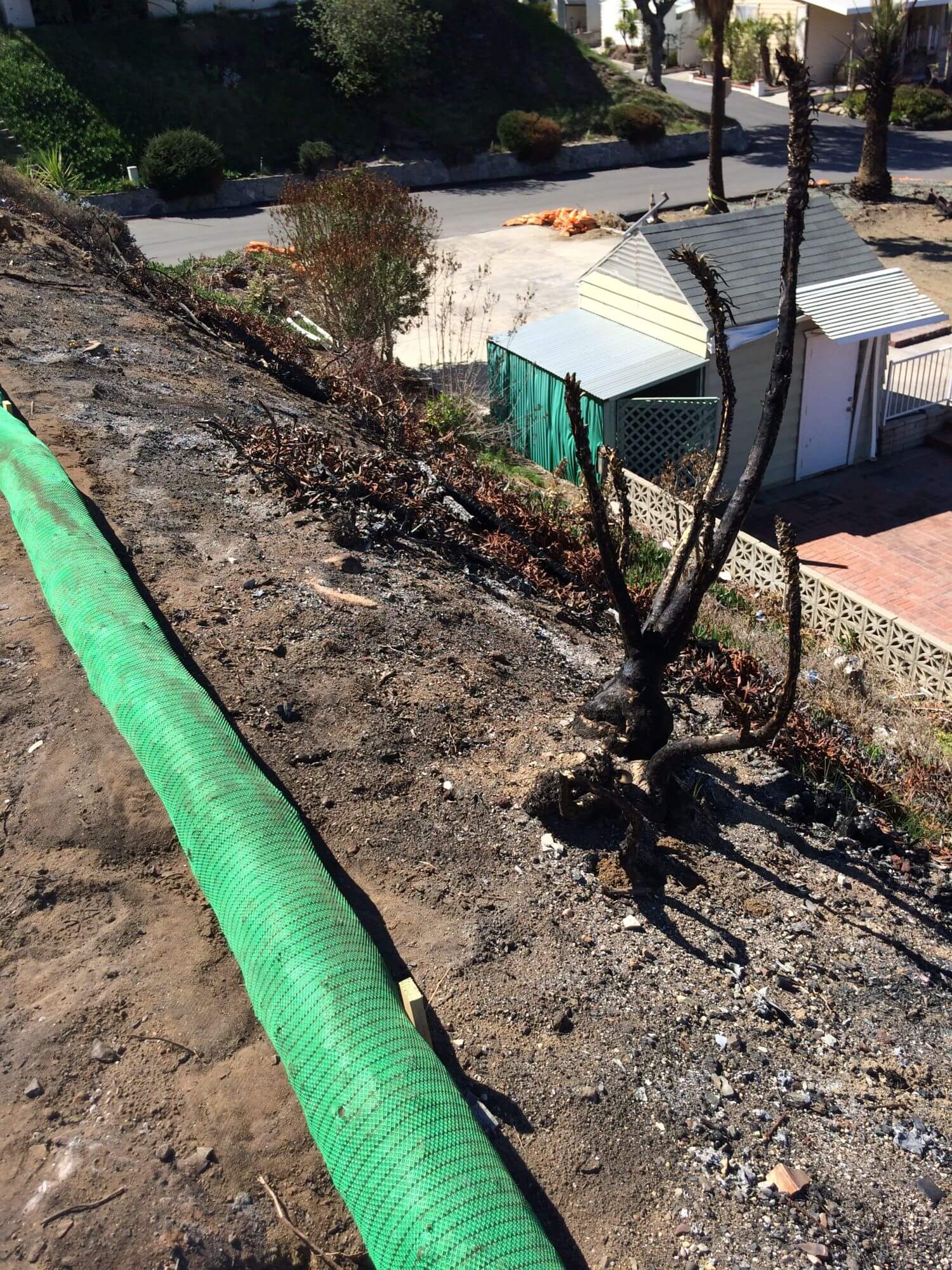
Sustainability and Material Selection Are Increasingly Part of Early Planning
Sustainability considerations are becoming more common in early stormwater, sediment, and erosion control discussions, though requirements continue to vary by project and jurisdiction. In many cases, agencies and owners are beginning to look more closely at material composition, long-term site impact, and end-of-project cleanup when evaluating BMP options.
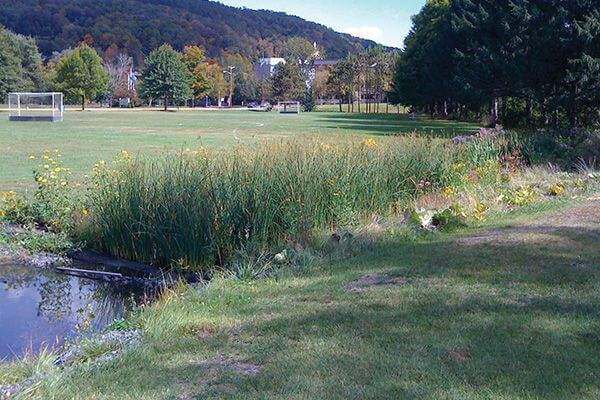
This often shows up as interest in green infrastructure approaches that combine erosion control with stormwater management and vegetative support. There is also growing consideration of biodegradable sediment and erosion control products, particularly where reducing plastic content or limiting material removal is a priority.
While not applicable to every site, these factors are increasingly part of early planning conversations as teams evaluate BMPs that balance performance, constructability, and environmental responsibility.
Documentation and Consistency Remain Ongoing Priorities
Across many projects, compliance challenges are less about product availability and more about consistency in how BMPs are installed, maintained, and recorded.
BMPs that are:
- Installed in a repeatable way
- Easy to inspect visually
- Supported by clear manufacturer guidance
can help simplify:
- SWPPP compliance
- Inspector reviews
- Internal quality control
For many teams, aligning on consistent BMP solutions early in the year helps streamline these processes throughout the construction season.
Conclusion
While no two projects are identical, early-year planning often reveals shared priorities across stormwater, sediment, and erosion control programs. Regulatory clarity, infrastructure activity, contractor experience, sustainability considerations, and documentation expectations all tend to shape BMP decisions as the year gets underway.
MKB works alongside contractors, engineers, and municipalities to support these evolving needs with sediment and erosion control solutions designed to perform reliably across a wide range of conditions.
If you’re reviewing BMP strategies for upcoming projects, our team can help you evaluate options, confirm specification alignment, and support distributor planning for the year ahead. Get the conversation started today.