

For large general contractors, DOT contractors, and infrastructure builders, stormwater management is no longer a project-by-project task, it’s a portfolio-level responsibility. As the number of active jobsites increases, stormwater compliance becomes harder to manage not because requirements are unclear, but because consistency breaks down across sites, crews, regions, and project phases.
A scalable stormwater management strategy addresses this challenge by creating a repeatable framework that works across multiple jobsites while still adapting to site-specific conditions and regulatory requirements. This article takes a deeper look at why stormwater becomes a portfolio problem, what specs expect at scale, and how high-performing contractors build systems that reduce risk across their entire project footprint.
Register for a Virtual Lunch & Learn Session
Deepen your understanding of inlet protection and explore the latest trends and innovations in the field. During this session industry experts will share valuable insights, practical tips, and real-world case studies.
Earn 1 PDH Credit.
Why Stormwater Management Becomes a Portfolio Problem
Stormwater management on a single site can be tightly controlled. Plans are customized, oversight is direct, and corrective actions are often immediate. At scale, however, stormwater shifts from a technical challenge to an operational and organizational one.
Each jobsite introduces variables that compound across a portfolio:
- Different soil types, slopes, and hydrologic conditions, which directly affect BMP performance
- Varying DOT, MS4, and municipal requirements, even within the same state
- Multiple crews and subcontractors, each with different experience levels and habits
- Inconsistent inspection, reporting, and documentation practices, driven by local norms instead of standardized expectations
Individually, these issues are manageable. Across dozens of sites, they can lead to fragmentation, where stormwater performance depends more on who is working the site than on what the specifications require.
Without a unified strategy, contractors frequently experience:
- Repeated inspection deficiencies for the same issues
- BMPs installed correctly on one site and poorly on another under similar conditions
- Inconsistent interpretations of spec language across regions
- Reactive fixes after citations instead of proactive adjustments
At scale, stormwater failures are rarely isolated—they are often systemic.
What a Scalable Stormwater Management Strategy Really Is
A scalable stormwater management strategy is not a single SWPPP template or a preferred product list. It is a system that defines how stormwater is planned, installed, maintained, and documented across every project.
True scalability means:
- Clear standards that apply across the organization
- Flexibility to adapt to site-specific conditions
- Predictable performance regardless of crew, location, or project type
Specs do not require identical BMPs everywhere, but inspectors do expect consistent intent, execution, and outcomes.
Core Components of a Scalable Stormwater Management Strategy
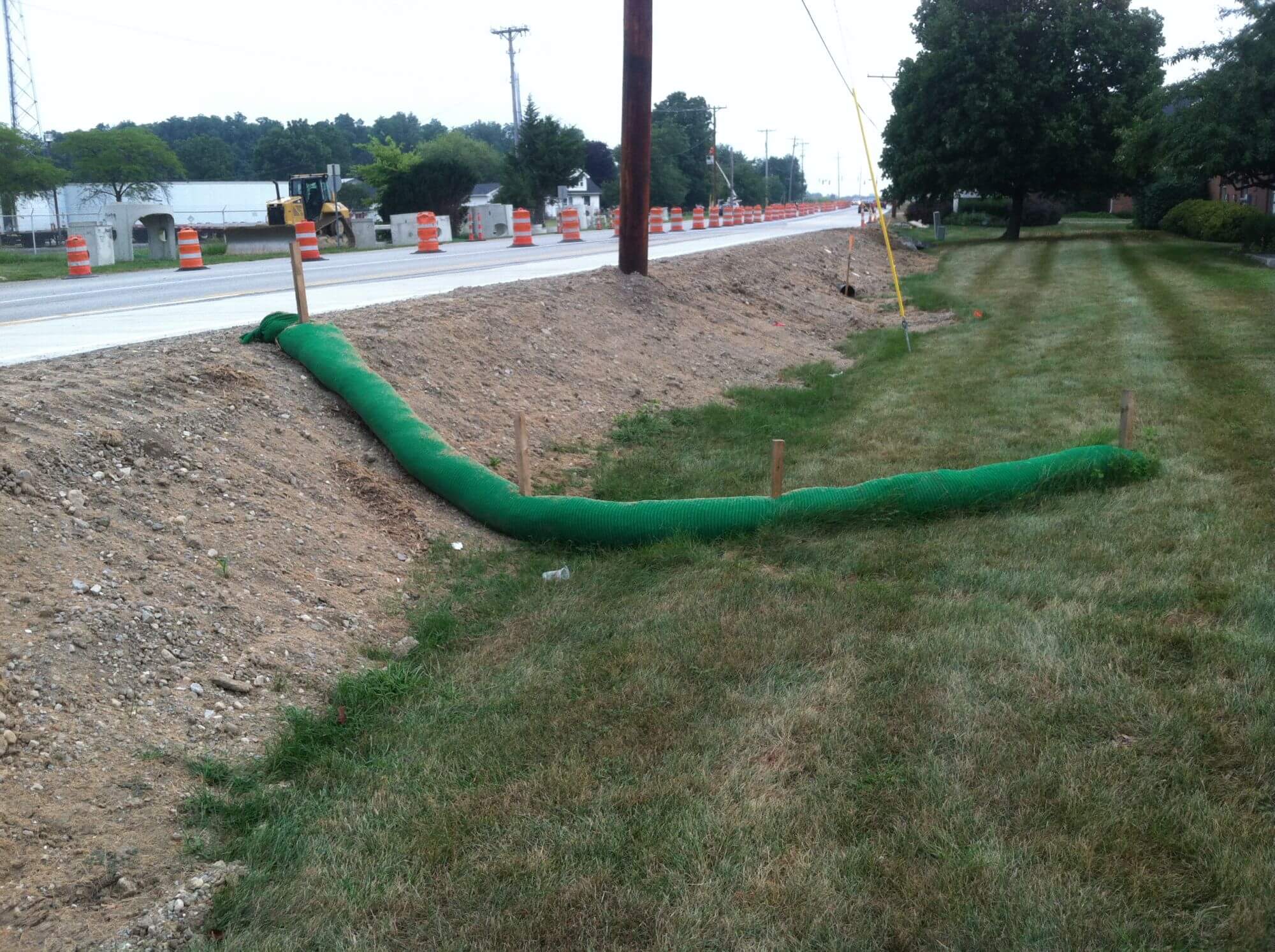
To manage stormwater effectively across multiple jobsites, contractors need more than well-written SWPPPs or isolated best practices. Scalability comes from a set of repeatable standards that guide decisions in the field while still allowing flexibility for site-specific conditions. The following components form the foundation of a stormwater management strategy that can be applied consistently across a portfolio without sacrificing performance or compliance.
Standardized BMP Frameworks (Not One-Size-Fits-All)
High-performing contractors define approved BMP frameworks, not rigid solutions.
Instead of prescribing a single erosion or sediment control method, scalable programs establish:
- Approved categories of erosion control BMPs
- Approved categories of sediment control BMPs
- Clear criteria for when alternatives or upgrades are required
This approach allows field teams to respond to slope, soil, and flow conditions while remaining aligned with program standards and spec intent. BMP selection then becomes intentional instead of habitual, and inspection outcomes become more predictable across sites.
Phase-Based Stormwater Planning Across Every Site
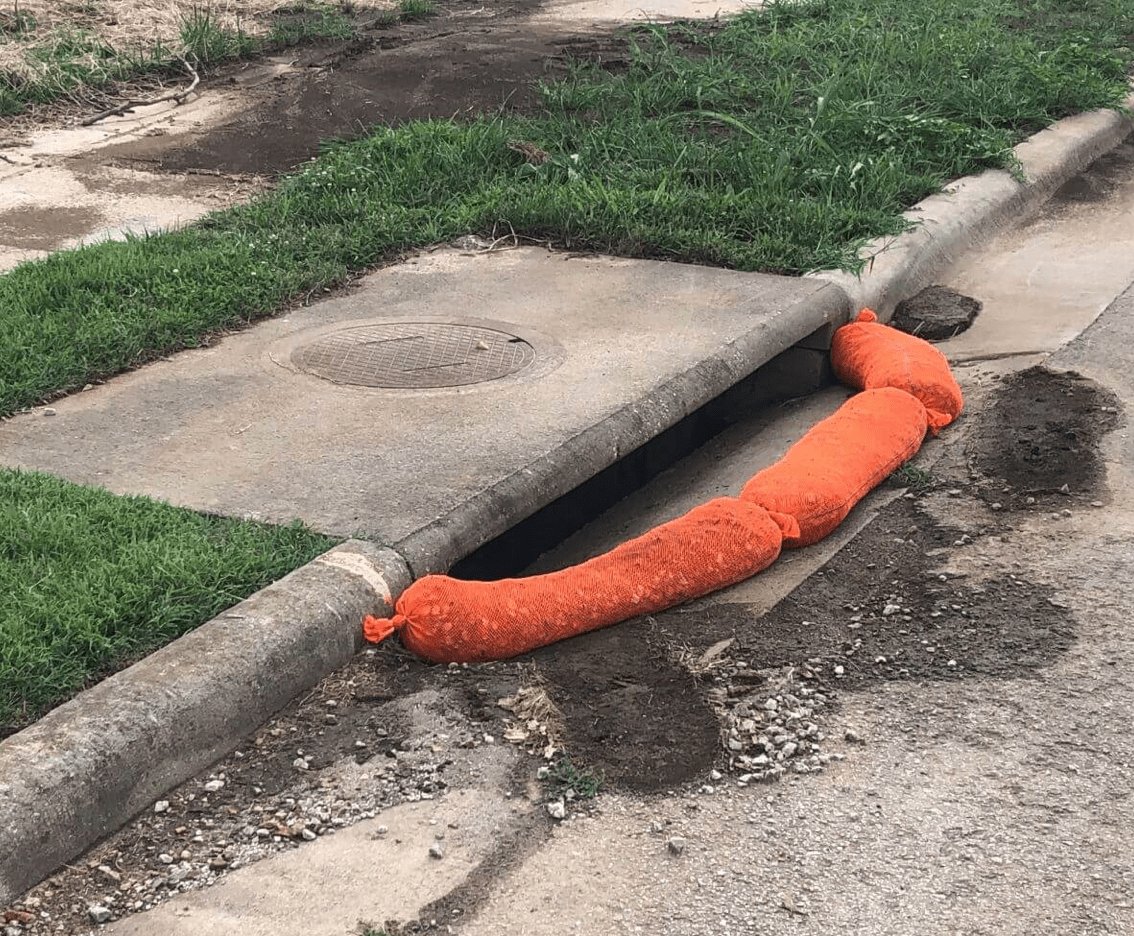
Specifications are written around construction sequencing, not static site conditions. A scalable strategy mirrors that reality.
Effective programs define stormwater expectations by phase:
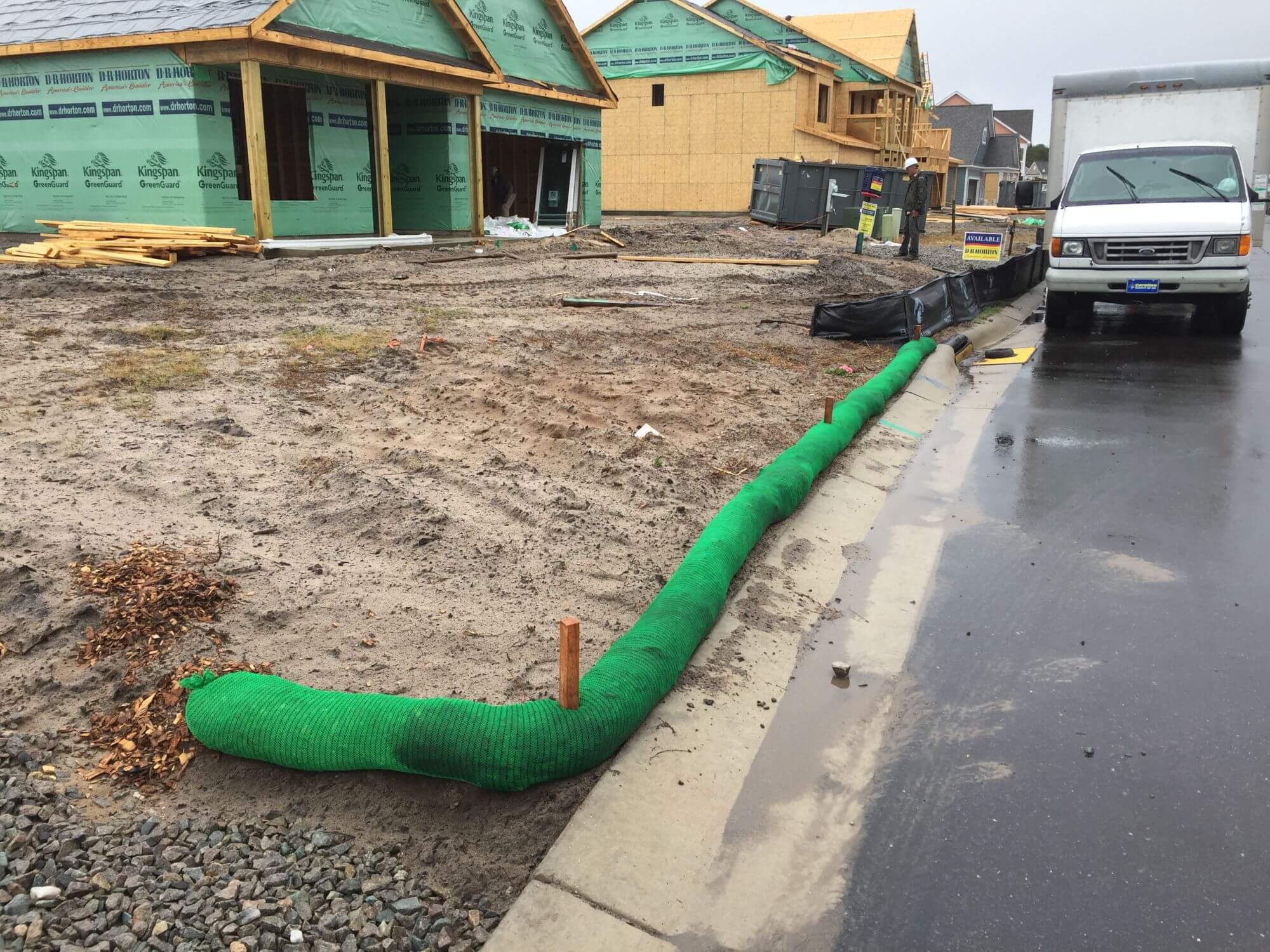
- Mobilization: Perimeter controls and inlet protection installed before disturbance
- Mass grading: Expanded sediment control and temporary erosion control
- Interim conditions: Slope interruption and temporary stabilization
- Final grade: Permanent erosion control and vegetation establishment
- Closeout: Removal of temporary controls and site stabilization
Many deficiencies occur when BMPs appropriate for early phases remain in place too long, or when later-phase controls are installed too late.
Consistent Installation Standards Across Crews
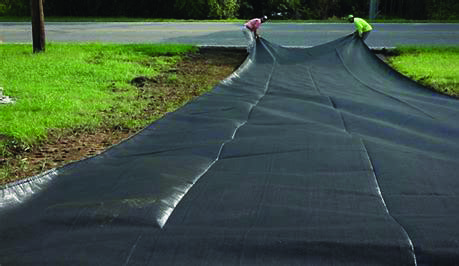
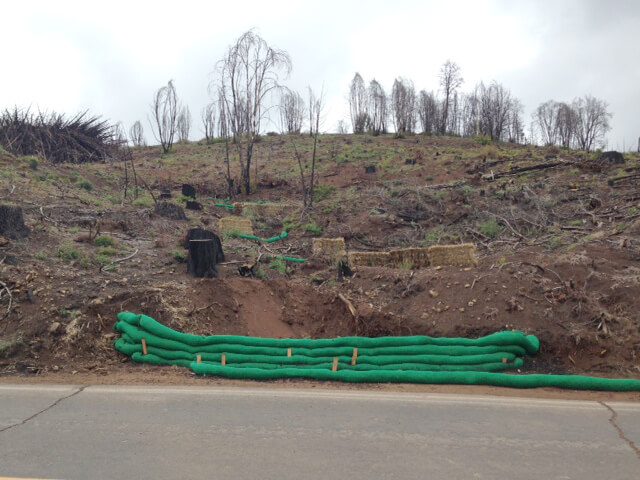
Across multiple jobsites, most stormwater failures result from installation inconsistency, not product choice.
Scalable programs clearly define:
- Installation requirements tied to manufacturer guidance
- Proper trenching, anchoring, spacing, and overlap expectations
- Field-quality benchmarks for “installed correctly”
When crews share the same installation standards, performance becomes repeatable and defensible.
Maintenance Expectations That Are the Same Everywhere
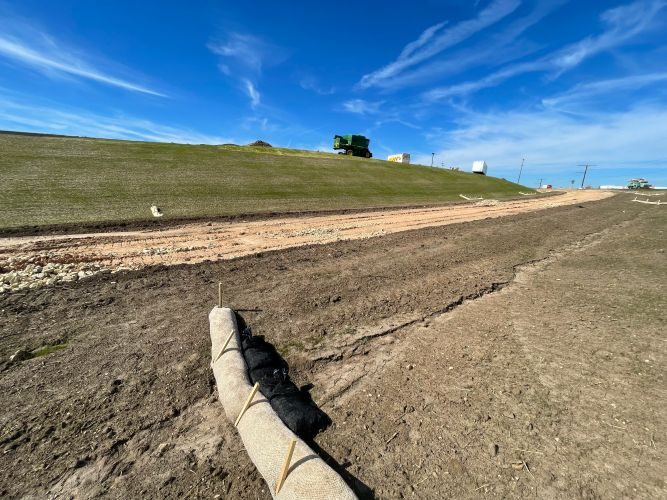
Specs assume BMPs will be maintained, repaired, and adjusted as site conditions change. Scalable strategies make these expectations explicit.
Successful programs standardize:
- Sediment removal thresholds
- Repair timelines following rainfall events
- Replacement criteria for damaged or overwhelmed controls
This prevents the common scenario where BMPs exist on plans but fail in practice.
Documentation Built for Multi-Site Compliance
Documentation becomes exponentially more complex as portfolios grow. Scalable strategies simplify documentation by making it repeatable, auditable, and defensible.
High-performing contractors standardize:
- Inspection forms and inspection frequency
- Photo documentation requirements
- Rainfall tracking and response protocols
- Maintenance records tied directly to BMP performance
Consistency in documentation strengthens audit readiness and reduces enforcement risk.
Where Multi-Site Stormwater Programs Break Down—and How to Fix Them
Multi-site stormwater programs most often break down when systems lack structure. Common failures include SWPPPs being copied without site-specific adjustment, BMPs installed correctly at mobilization but not revisited as conditions change, crews treating stormwater as a temporary task rather than a continuous responsibility, and documentation that focuses on BMP presence instead of performance.
These issues tend to repeat across projects until they are addressed at the system level. While digital inspection tools and reporting platforms can improve visibility, they cannot compensate for weak fundamentals. The most effective contractors define stormwater standards before selecting software, train crews on intent rather than forms, and use technology to reinforce consistent behavior. Scalability comes from alignment, not automation.
The Bottom Line: Scale Comes from Structure
Building a scalable stormwater management strategy isn’t about installing more BMPs, it’s about managing stormwater the same way you manage safety or quality: with structure, accountability, and repeatable processes.
Contractors who succeed across multiple jobsites:
- Standardize expectations, not shortcuts
- Plan stormwater controls by phase
- Treat compliance as a system, not a reaction
That approach doesn’t just meet specifications, it reduces risk, improves field performance, and delivers consistent outcomes across every jobsite in the portfolio.
Need help building a stormwater management strategy that works across multiple jobsites? Contact MKB to discuss scalable stormwater, sediment, and erosion control solutions designed to support consistent performance and compliance, project after project.