

On any active construction site, managing erosion and sediment isn’t just about compliance — it’s about risk management, project efficiency, and protecting your bottom line. Stormwater runoff can carry sediment, nutrients, and pollutants into nearby waterways, resulting in fines, rework, and reputation damage.
While a Super Silt Fence is one of the most recognized and trusted sediment control measures, it’s only one piece of a larger puzzle. Relying on a single BMP can leave gaps, especially on sites with complex grading, high-flow conditions, or long project durations. A truly resilient approach uses multiple layers of protection, each serving a specific role in stabilizing the soil, reducing flow velocity, and filtering sediment.
At MKB, we’ve worked with contractors, engineers, and DOTs across the country to build integrated control systems that don’t just meet specs — they perform under real-world conditions. Here’s how a layered system works, why it matters, and how to build one that lasts.
Register for a Virtual Lunch & Learn Session
Deepen your understanding of inlet protection and explore the latest trends and innovations in the field. During this session industry experts will share valuable insights, practical tips, and real-world case studies.
Earn 1 PDH Credit.
Why “One-and-Done” Sediment and Erosion Control Doesn’t Work
Every job site has a water story. Runoff starts at the highest point, accelerates as it moves across exposed soil, and gathers sediment and debris along the way. By the time it reaches your perimeter controls, it’s often too late; the volume and velocity are simply too high for a single BMP to handle effectively.
Many sediment control failures share the same root cause: too much dependence on a single control to manage complex site conditions. Even the most robust systems can be compromised when forced to handle the full brunt of runoff volume, velocity, and sediment load on their own.
For example, Siltron Silt Fence is engineered for heavy-duty performance, designed to withstand steep slopes, high-flow drainage zones, and challenging weather events. However, no perimeter control should operate in isolation. Without upstream measures to slow, divert, and filter runoff, even the strongest barriers can experience unnecessary strain and accelerated wear.
The solution often isn’t stronger materials alone – it’s strategic layering. A well-designed system works like a cascade: each product intercepts runoff at a different stage, reducing energy, volume, and sediment load before it reaches the next.
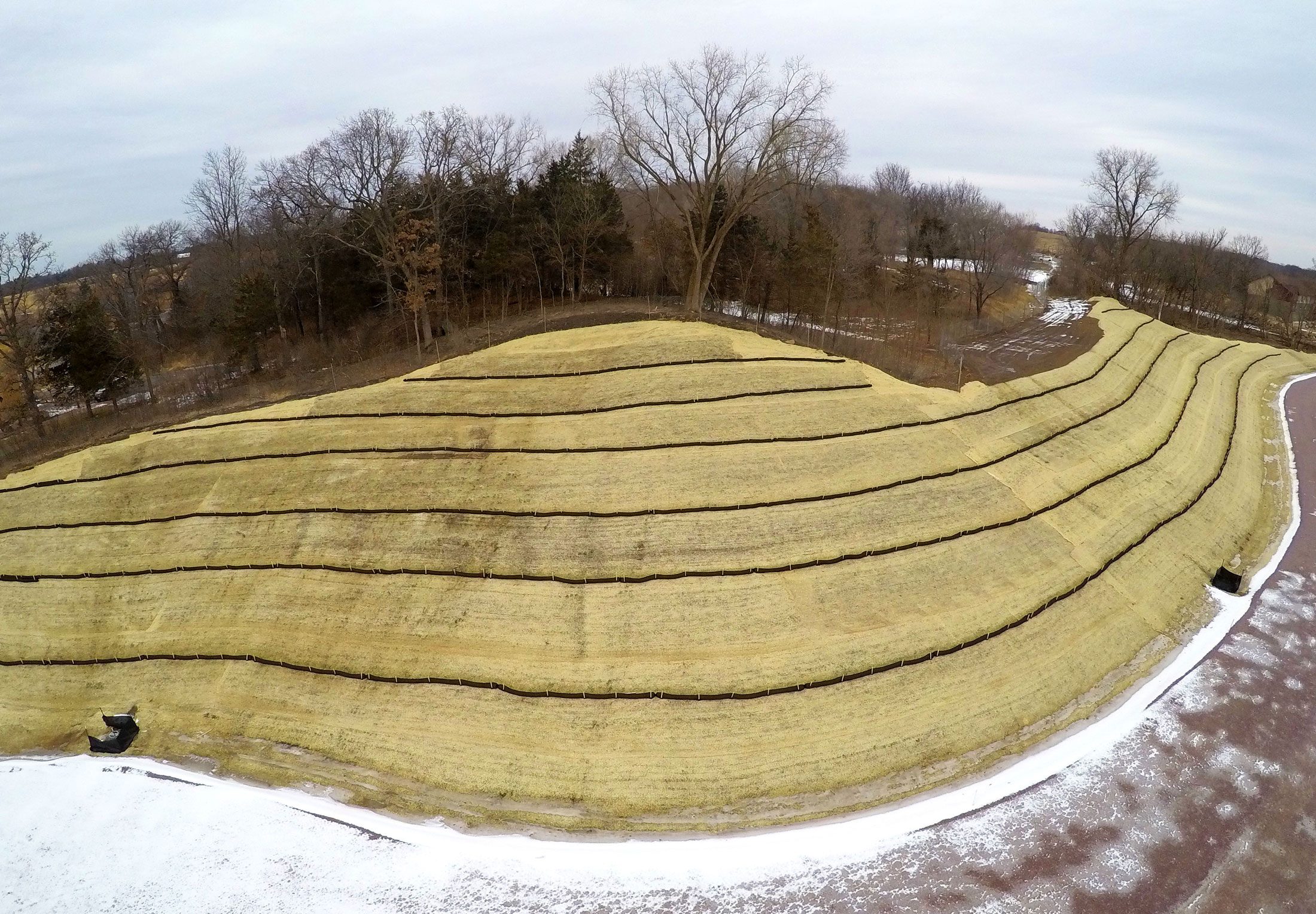
Layer 1: Surface Stabilization — Stopping Erosion at the Source
The most effective sediment control begins with erosion prevention. Stabilizing exposed soil or interrupting slopes early is the best way to minimize downstream sediment. This first layer often includes products that manage sheet flow or hold soil in place during rainfall, snowmelt, or wind events, such as:
- ErosionTech blankets protect against raindrop impact and promote seed germination, providing immediate surface stabilization even in dormant or cold-weather conditions.
- Straw Wattles reduce slope length and intercept sheet flow, capturing sediment at intervals before it concentrates.
- SiltSoxx adds filtration capacity along slope breaks and perimeters, conforming to uneven terrain where rigid controls may lift or gap.
By addressing erosion where it starts, you significantly reduce the load carried downstream — meaning less stress on later BMPs.
Layer 2: Flow Diversion and Energy Management
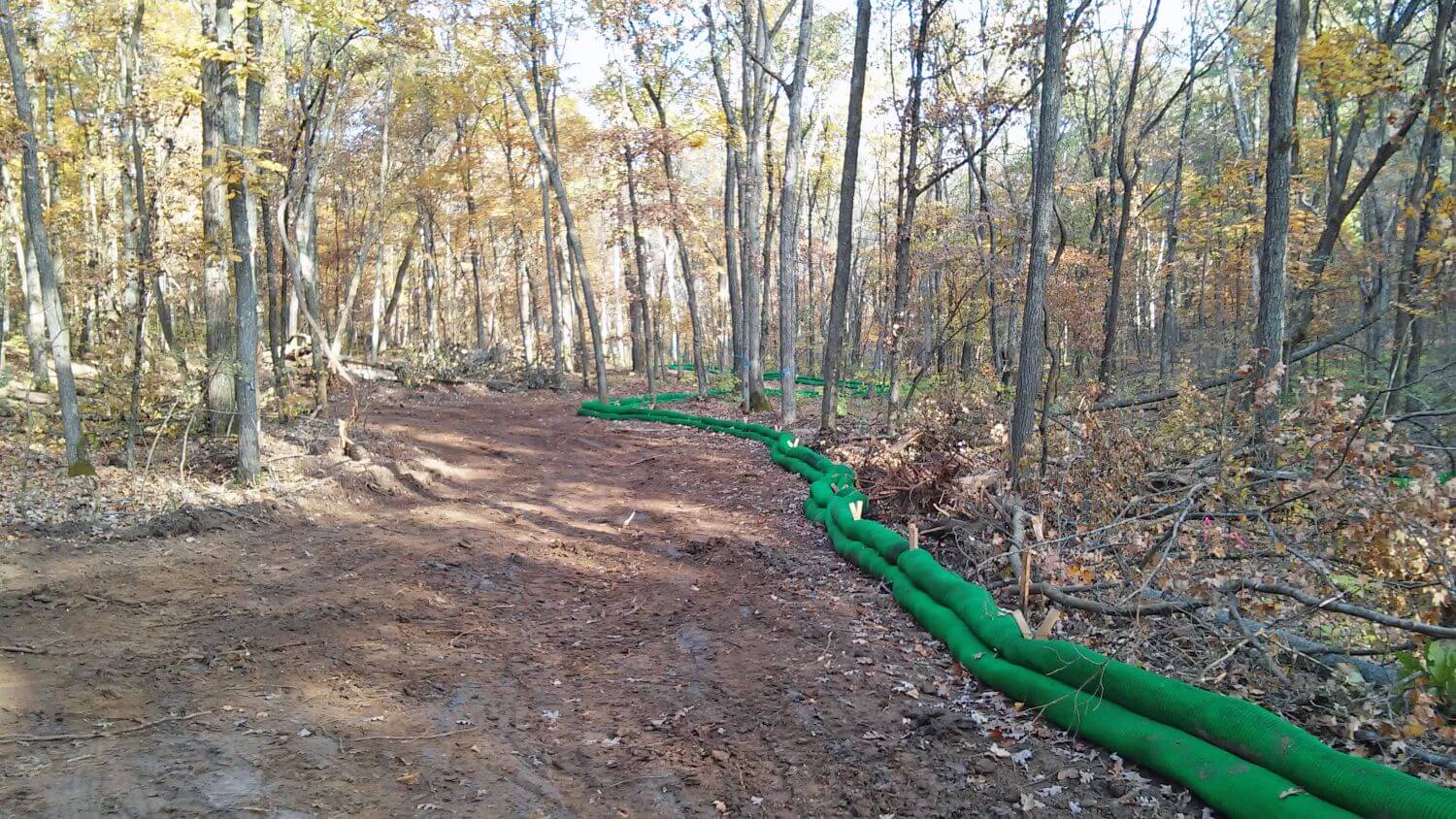
As runoff gathers speed and volume, diversion measures become critical. These controls intercept concentrated flow and safely redirect it away from vulnerable slopes or toward stabilized discharge points.
DiversionSoxx is a prime example — a high-density, non-filtering containment sock designed to channel water along its length rather than through it. Installed diagonally across slopes or parallel to grade breaks, DiversionSoxx creates controlled flow paths that prevent uncontrolled rills and gullies.
During high-intensity storms or snowmelt, DiversionSoxx reduces hydraulic energy before runoff reaches lower-lying BMPs, protecting the integrity of downstream controls. In this way, it acts as the “traffic director” for water movement across the site, thus reducing turbulence and improving system balance.
Layer 3: Perimeter Control with Super Silt Fence
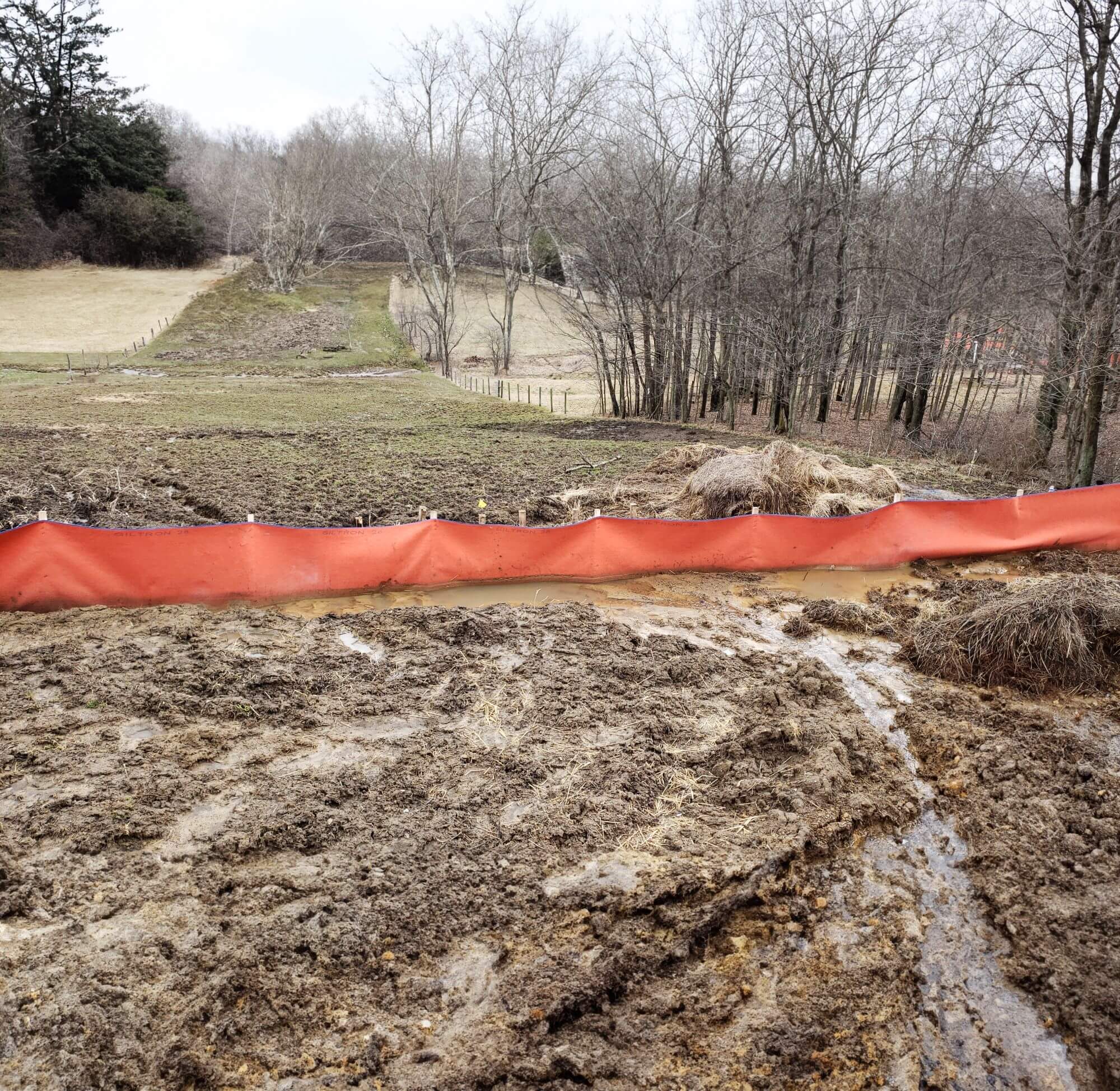
In a multi-layer system, Siltron Silt Fence serves as the backbone of perimeter control. Built to handle the heaviest sediment loads and the toughest site conditions, its multi-layer, reinforced construction gives it the structural integrity to withstand high-flow runoff, repeated freeze–thaw cycles, and the hydraulic pressure that can easily compromise lighter materials.
Rather than acting as a final filter for already-reduced flows, Siltron is designed to take the lead under demanding conditions, anchoring the system with unmatched strength and stability. Upstream controls like SiltSoxx, Straw Wattles, and DiversionSoxx help moderate flow and reduce sediment volume, allowing Siltron to perform at maximum efficiency — not because it needs the help, but because an optimized system enhances overall longevity, reduces maintenance intervals, and ensures consistent compliance across every weather event.
Layer 4: Inlet Protection and Downstream Safeguards
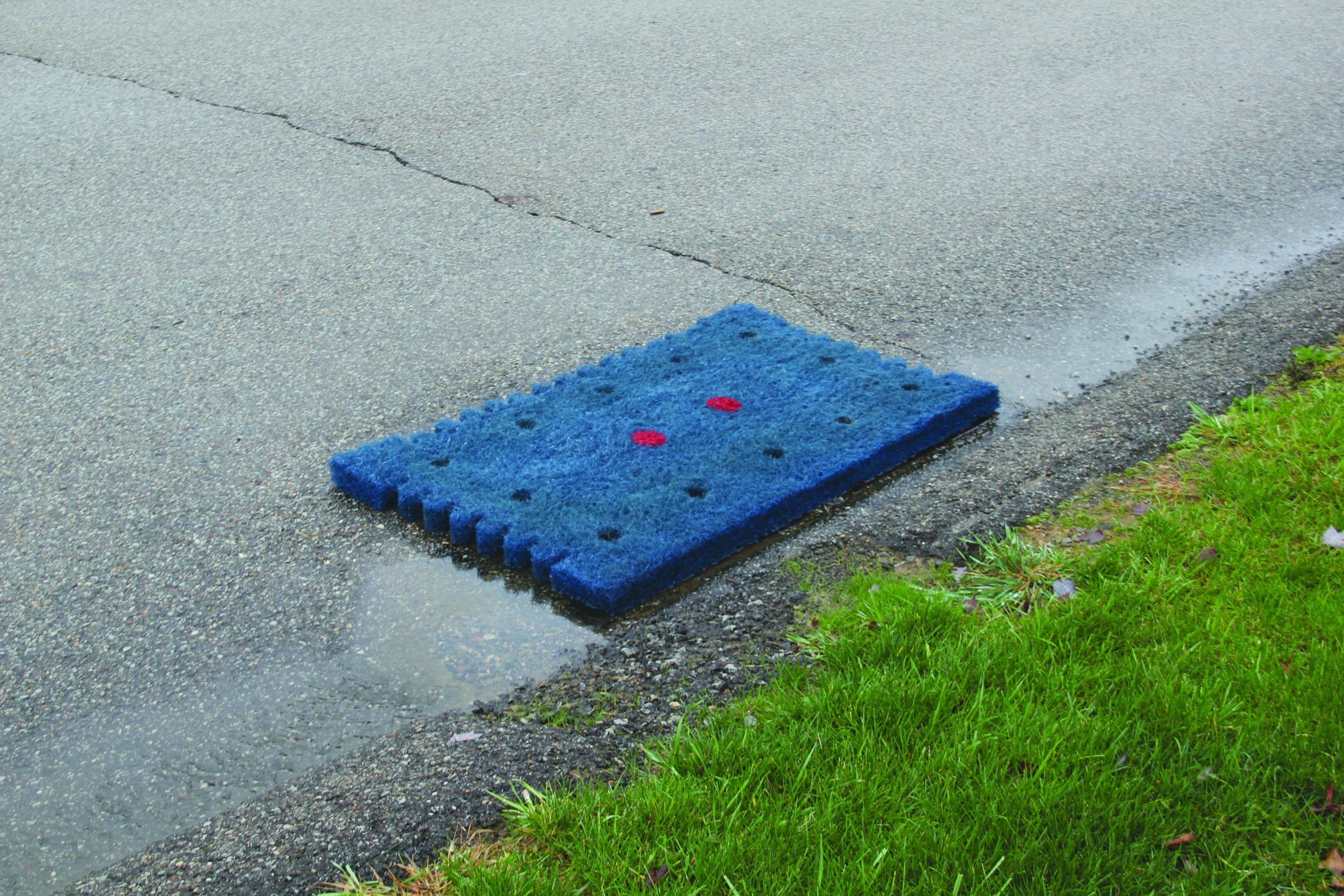
Even with a solid perimeter, water will eventually seek the lowest point — often a storm drain or culvert. That’s where inlet protection comes into play.
BlackHawk Inlet Filter Mats provide above-grate sediment filtration, capturing fine particles while maintaining high flow capacity. Because they sit on top of the inlet, they can be visually inspected from a vehicle, saving time and reducing maintenance costs.
This downstream layer ensures that even if minor sediment bypasses other BMPs, it won’t reach the municipal storm system — helping projects remain in compliance with EPA CGP and MS4 permit requirements.
Integrating the System: How the Layers Work Together
Think of an erosion and sediment control system as a chain where its strength depends on every link. Each layer supports the others:
- Surface controls reduce the amount of sediment entering runoff.
- Diversion controls manage flow paths and reduce energy.
- Perimeter controls contain what remains.
- Inlet protection captures the final trace of sediment.
The key to performance is synergy. By distributing runoff management across multiple products, each component operates within its optimal design limits, extending its effectiveness and lifespan.
This approach not only enhances environmental protection but also delivers measurable ROI. Fewer failures mean fewer site repairs, inspection delays, and compliance penalties — saving both time and money.
Designing for Site-Specific Conditions
A well-engineered system considers variables such as:
- Soil type and cohesiveness — which affects erosion potential.
- Slope gradient and length — which dictate flow velocity.
- Rainfall intensity and frequency — which determine hydraulic loading.
- Project duration — influencing material selection (biodegradable vs. synthetic).
- Local regulations and permit requirements — ensuring compliance from day one.
At MKB, our technical team works with contractors and engineers to select the right mix of materials and configurations for each project. Whether it’s a small residential site or a multi-acre highway corridor, the principles remain the same: intercept, slow, filter, and contain.
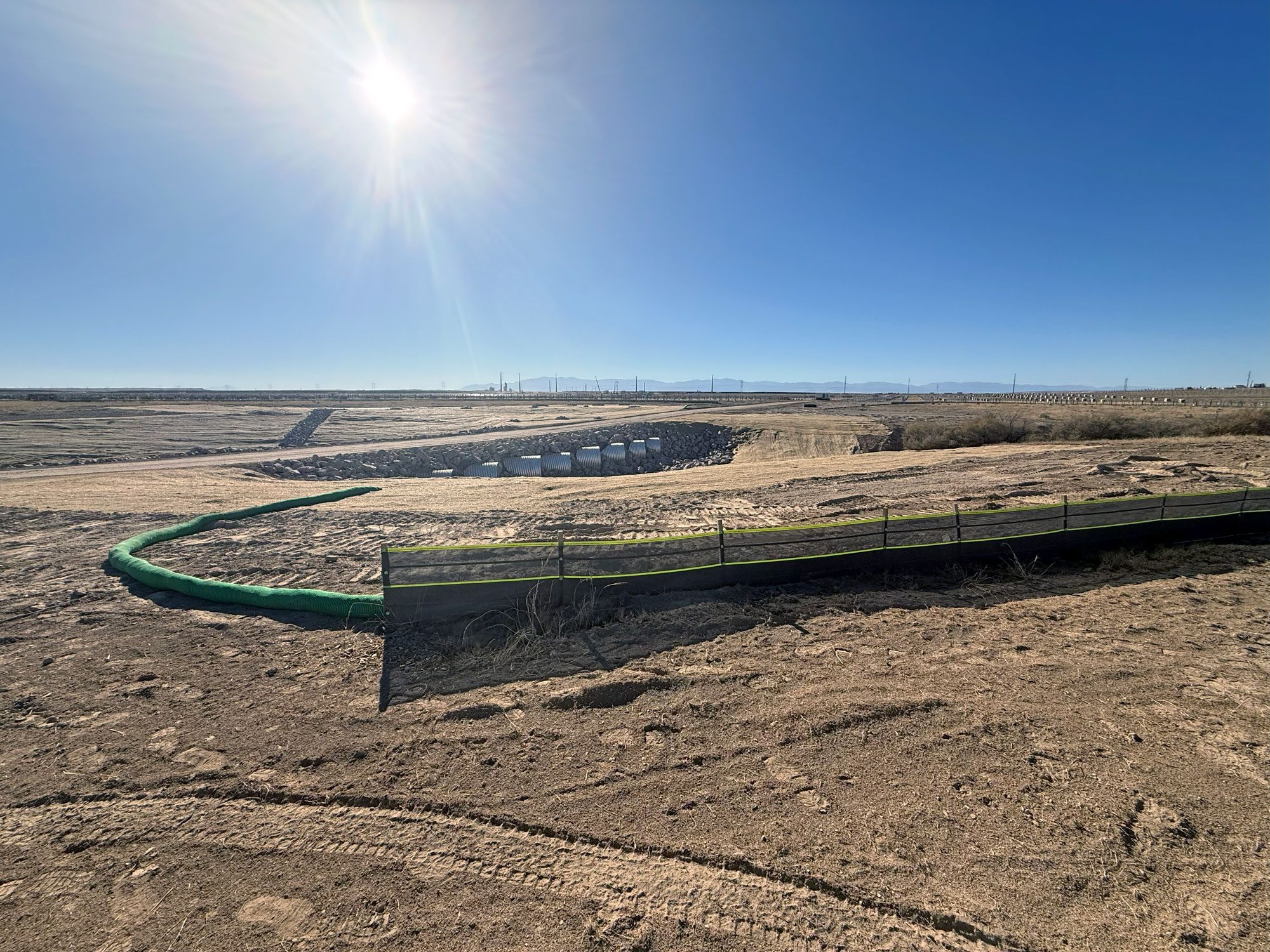
The Payoff: Compliance, Efficiency, and Confidence
A layered erosion and sediment control system does more than meet regulations, it provides peace of mind. By combining products like ErosionTech blankets, Straw Wattles, SiltSoxx, DiversionSoxx, Siltron Silt Fence, and BlackHawk Inlet Filters, contractors can ensure consistent performance across the entire site.
The benefits extend beyond compliance:
- Reduced rework and downtime due to fewer BMP failures.
- Improved inspection outcomes from proactive site design.
- Longer BMP lifespan thanks to distributed hydraulic loads.
- Better environmental outcomes that reflect well on your brand and your clients.
Build Beyond the Minimum
In today’s construction environment, “minimum compliance” isn’t enough. Environmental accountability, tighter regulations, and client expectations demand BMPs that perform in the field, not just on paper.
A multi-layer erosion and sediment control system is a smarter, more resilient way to protect your site, your budget, and your reputation.
Go beyond the fence line. Partner with MKB to design and supply a fully integrated erosion and sediment control solution tailored to your project’s specific challenges, from the first rain event to final stabilization.
Contact MKB today for technical guidance, product recommendations, and field-proven solutions that keep your site compliant and controlled through every phase of construction.