

The Problem with Treating Erosion Fence as a Commodity
For decades, the erosion fence (commonly referred to as silt fence) has been a standard part of sediment control on construction sites. It’s specified, installed, inspected, and often replaced without much thought beyond basic compliance.
But jobsite conditions have changed. Storm intensity is less predictable. Site designs are more complex. Regulatory expectations are higher. And inspectors are looking beyond whether a fence is installed, they’re looking at whether it actually performs.
In that environment, treating an erosion fence as a commodity product is where problems start, as not all erosion fence systems are built or designed to handle real-world conditions.
Register for a Virtual Lunch & Learn Session
Deepen your understanding of green infrastructure and explore the latest trends and innovations in the field. During this session industry experts will share valuable insights, practical tips, and real-world case studies.
Earn 1 PDH Credit.
Where Traditional Silt Fence Falls Short
The standard silt fence still has a place. When installed correctly and used in appropriate conditions, it can be an effective perimeter control. But in practice, it often struggles under pressure.
Common limitations include:
- Structural breakdown under load
As sediment accumulates and water pressure increases, conventional systems can lose integrity, especially when relying on basic wire-backed support. - Clogging that leads to failure
Many fabrics restrict flow too quickly, causing water to back up, overtop, or push through weak points in the system. - Inconsistent sediment capture
Other systems allow too much fine material to pass through, reducing effectiveness and increasing downstream risk. - Short performance lifespan
Once compromised, these systems require frequent maintenance or replacement to stay compliant.
These challenges aren’t just installation issues, they highlight a gap between what a traditional silt fence was designed to do and what today’s jobsites demand.
The Shift Toward Engineered Erosion Fence Systems
As expectations increase, the standard erosion fence is evolving from a basic barrier into a more engineered sediment control system.
Modern systems are designed to perform under changing conditions, not just meet minimum specifications.
Advanced solutions like the Siltron Advanced Silt Fence reflect that shift by combining structural strength with filtration performance in a single system. Rather than acting as a static barrier, these systems behave more like adaptive filtration layers, responding to changes in storm intensity and sediment load across the entire fence line.
Independent testing has shown that this type of system can maintain higher flow capacity while still capturing sediment effectively, even as conditions change and loads increase. That balance is critical, because most failures happen when systems either clog too quickly or allow too much material to pass through.
From Clogging to Controlled Flow
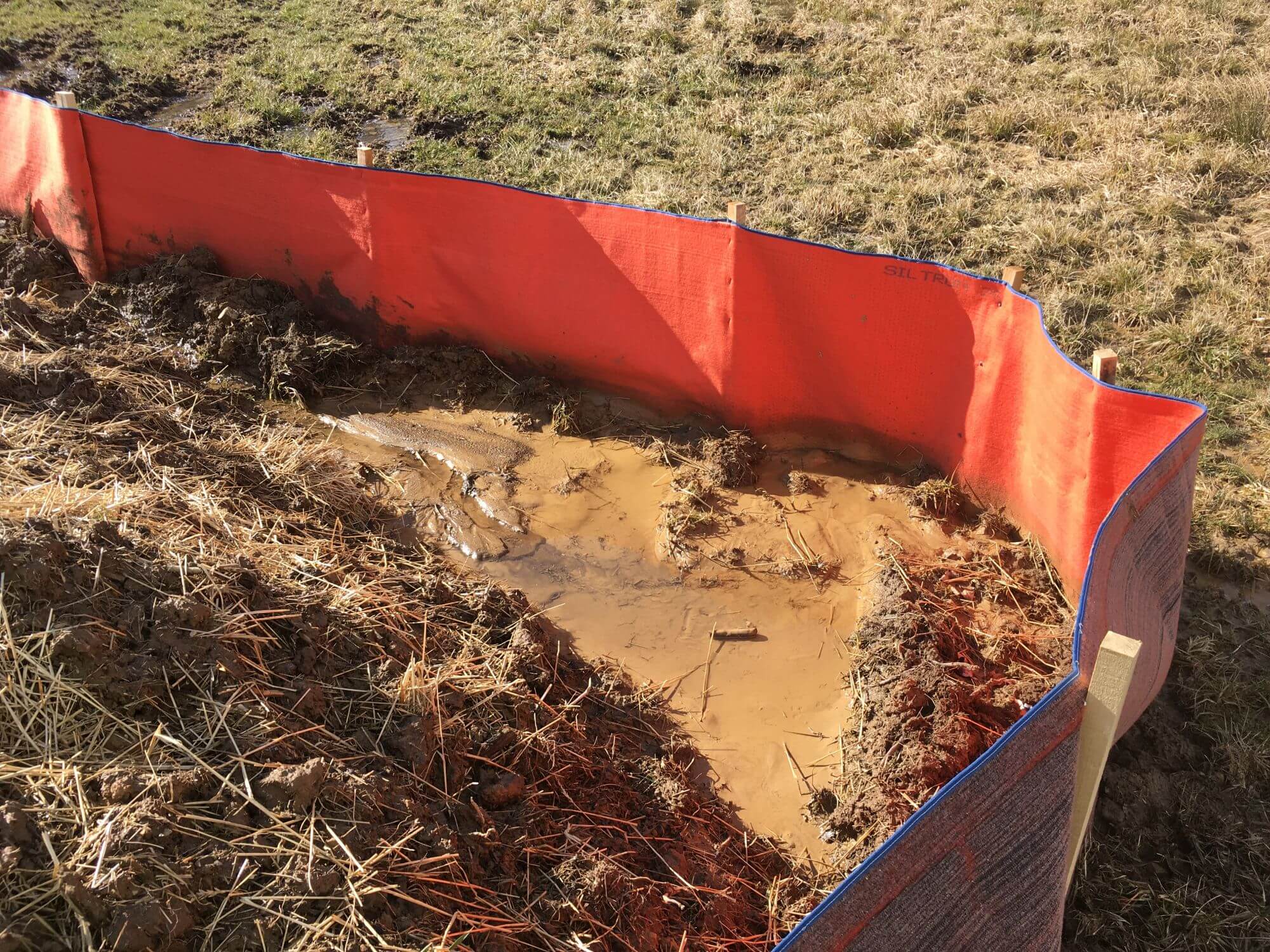
One of the biggest advancements in modern erosion fence design is how it handles flow over time. Traditional fabrics tend to “shut down” as sediment builds up. Once that happens, water has nowhere to go, often leading to overtopping, blowouts, or system bypass.
Newer systems address this with layered filtration design, including a pre-filter component that helps manage incoming sediment before it reaches the primary filtration layer.
In practice, that means:
- Water continues to pass through the system instead of backing up
- Sediment is retained more consistently across the fence line
- Performance holds up longer under sustained storm events
Even under heavy water and sediment conditions, these systems are designed to keep functioning, thus reducing the likelihood of sudden failure.
Built for Strength Without the Extra Components
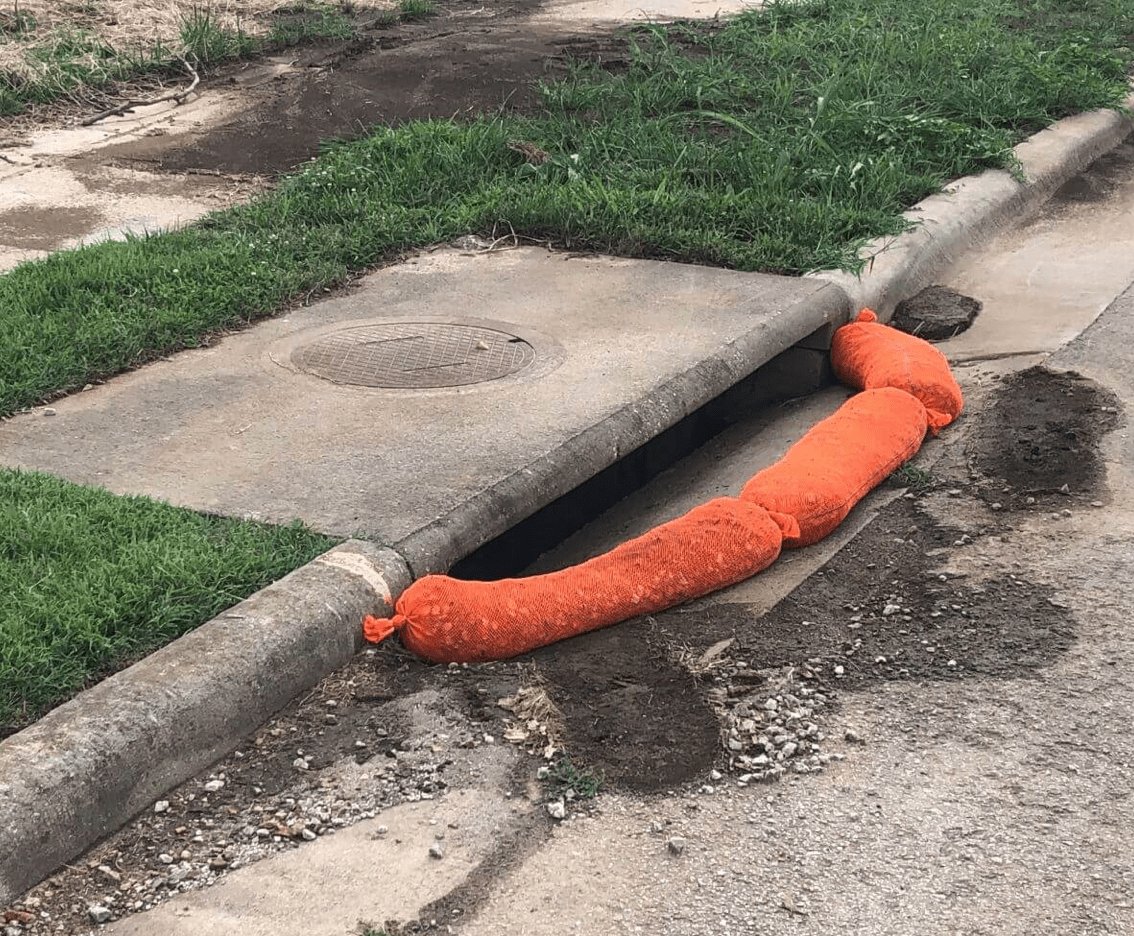
Structural performance is another area where erosion fence systems are evolving. Instead of relying on separate wire backing for support, modern designs integrate strength directly into the fence system itself.
For example, multi-layer composite construction can provide:
- Increased resistance to tearing and punctures
- Greater stability under sediment pressure
- Elimination of secondary support materials like wire mesh
Paired with features like reinforced wooden stakes, secure fastening systems, and built-in stabilizing elements at the base, these systems are designed to stay in place, even when conditions deteriorate. The result is a more streamlined installation with fewer failure points.
Faster Installation, Longer Performance
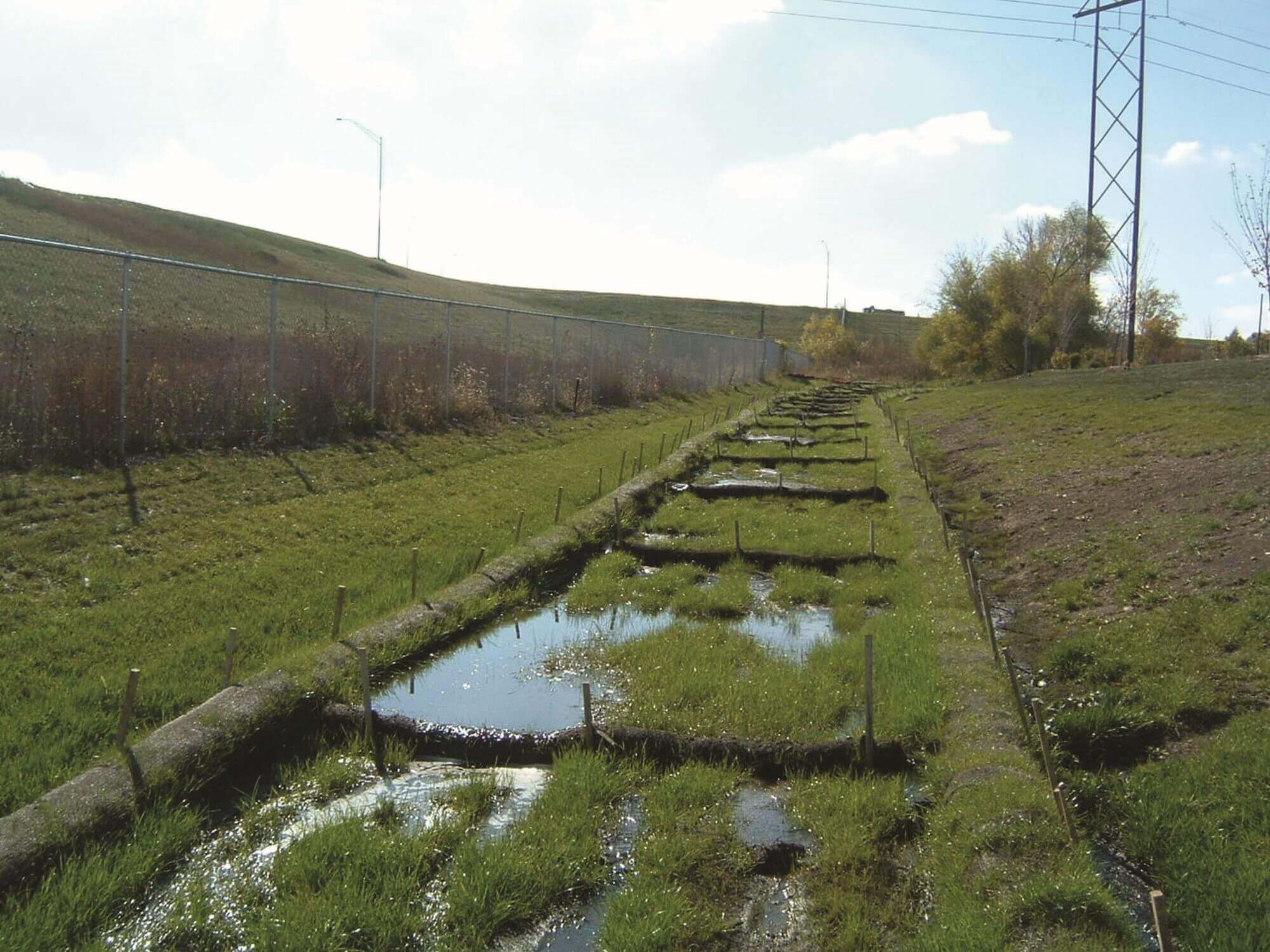
Performance isn’t just about how a system holds up, it’s also about how efficiently it can be deployed and maintained.
Modern erosion fence systems are increasingly designed for:
- Simplified installation using standard equipment like trenching attachments
- Pre-assembled configurations that reduce field labor
- Extended functional lifespan, often lasting well beyond a single phase of construction
Instead of cycling through repeated install-repair-replace scenarios, crews can install once and maintain performance over a longer duration which reduces labor costs and site disruption.
Expanding Role: From Sediment Control to Pollutant Management
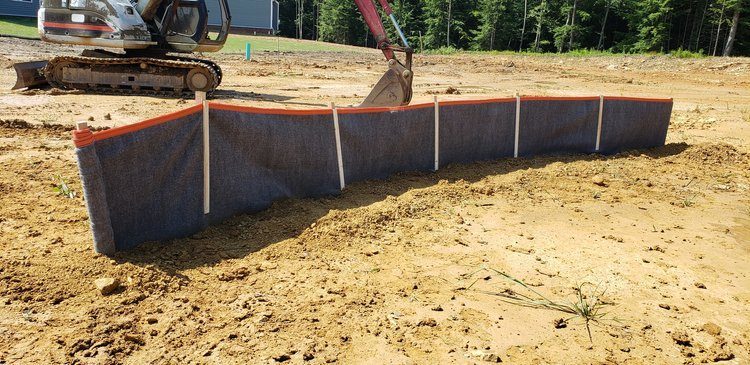
Another major shift is what the erosion fence is expected to do. Beyond sediment control, newer systems are being used to address:
- Hydrocarbons and jobsite pollutants
- Fine particulates that impact water quality
- Runoff entering sensitive or regulated watersheds
This makes the erosion fence a more active part of stormwater treatment, not just a passive barrier.
These capabilities are especially valuable on:
- Pipeline and utility projects
- Powerline and infrastructure corridors
- Brownfield and environmentally sensitive sites
- High-quality or exceptional value watersheds
In these environments, performance expectations go well beyond basic sediment containment.
Integration with Broader Stormwater Systems
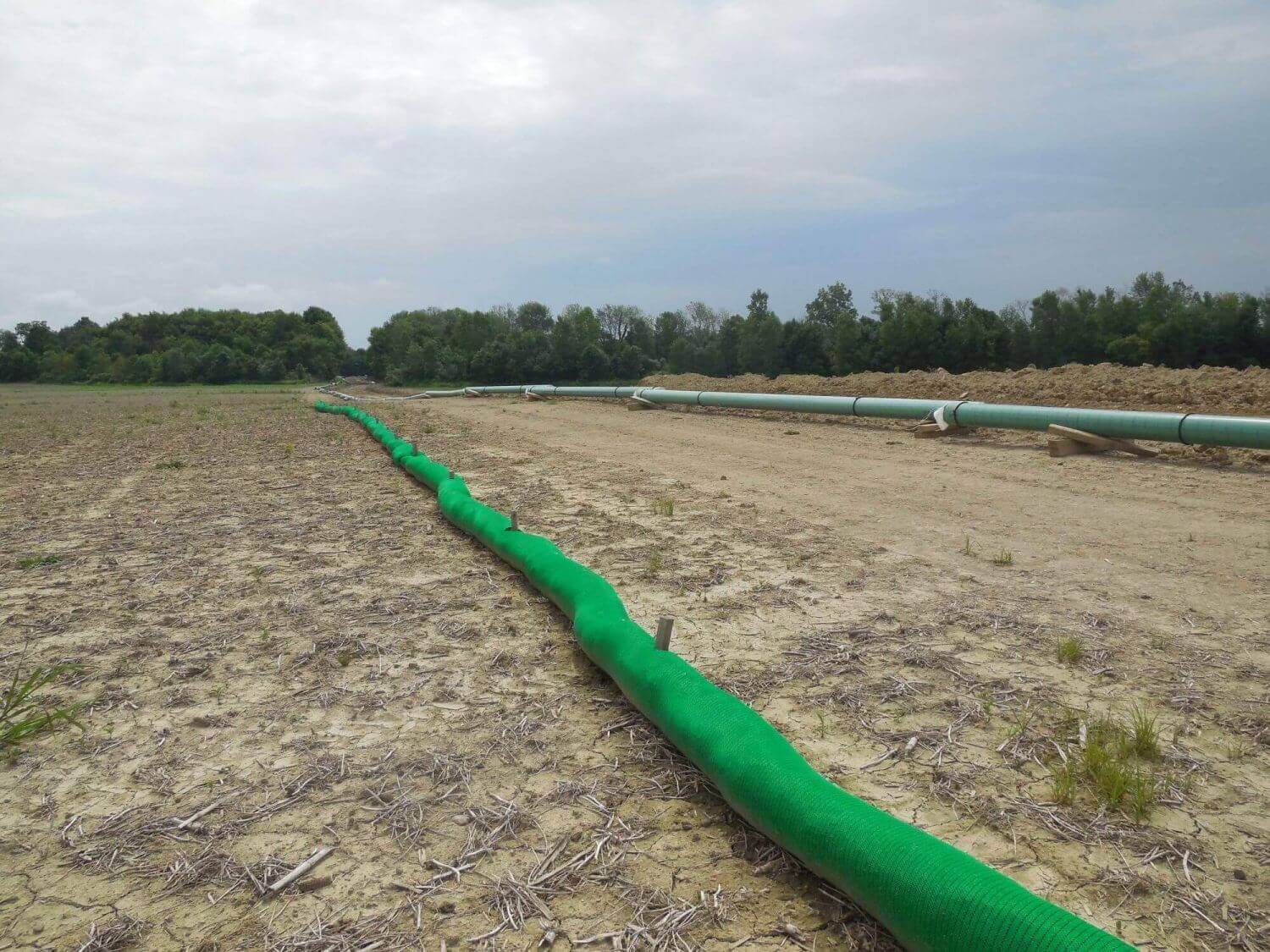
The modern erosion fence is no longer a standalone solution. It’s part of a layered stormwater strategy.
That includes coordination with:
- Upstream erosion control (blankets, stabilization, vegetation)
- Perimeter controls like filter socks and berms
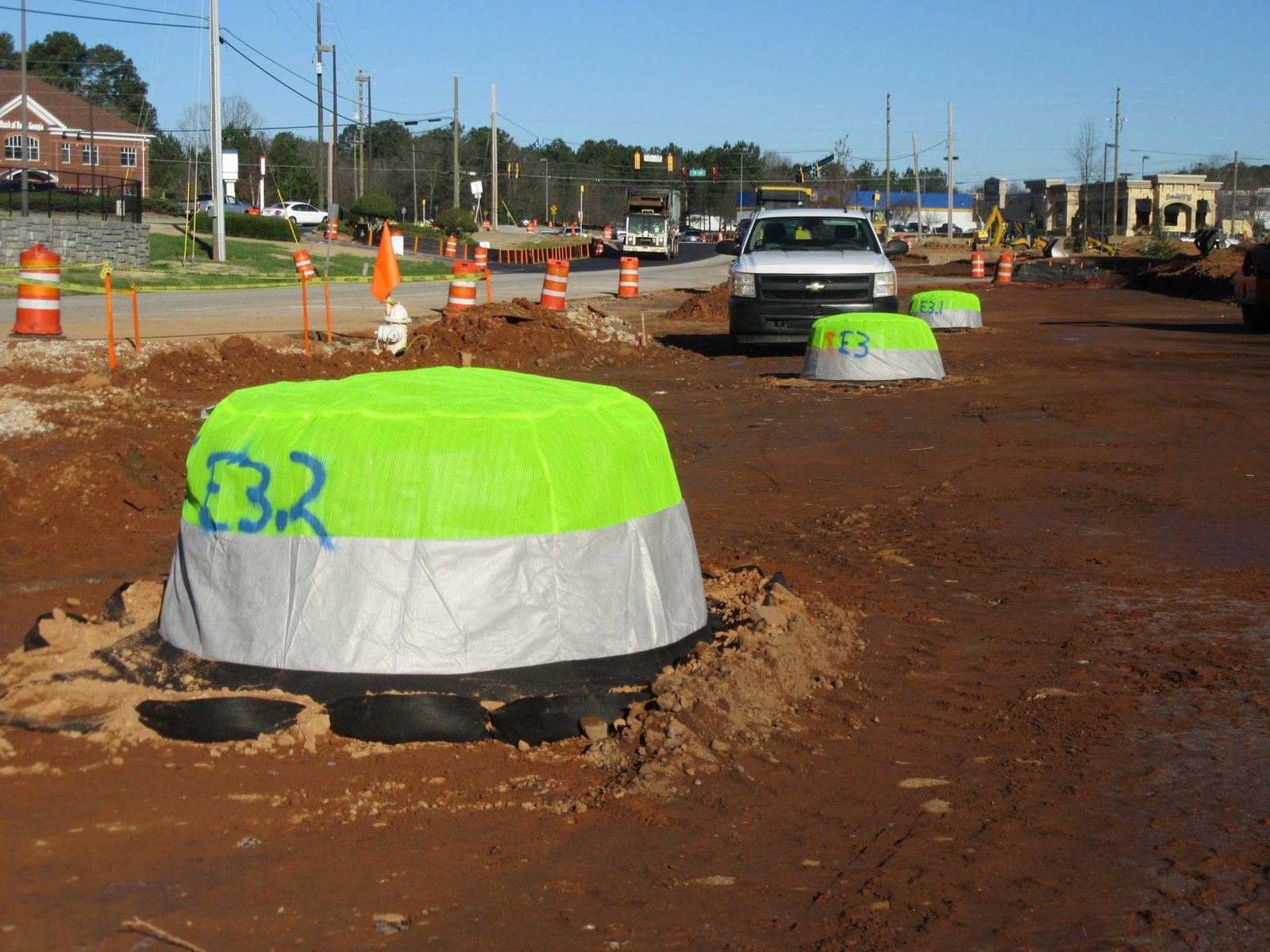
- Inlet protection and downstream filtration systems
When treated as a standalone control, it often becomes the weakest link. However, when integrated properly, the erosion fence reduces system-wide strain and improves overall performance.
Rethinking Erosion Fence for Modern Jobsites
The erosion fence isn’t going away, but the expectations around how it performs have changed. Today’s projects demand more than a basic perimeter control. They require systems that hold up under sustained sediment load, continue allowing water to pass without backing up, and contribute to overall water quality, not just check a box on a spec.
Modern, engineered solutions like Siltron are designed to do exactly that. With stronger composite construction, built-in stability, and layered filtration that keeps working even as conditions change, the erosion fence is evolving into a more reliable, longer-lasting part of the stormwater system. The result is fewer failures, less maintenance, and better performance across the life of the project.
MKB Company works with contractors, engineers, and developers to evaluate site conditions and match them with erosion and sediment control solutions that are built for real-world performance, not just ideal scenarios.
If your current approach still treats the erosion fence as a commodity, it may be leaving performance—and risk—on the table. Connect with MKB Company today to build a smarter, more resilient system that holds up when conditions don’t.